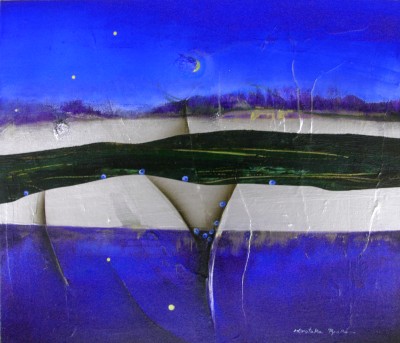
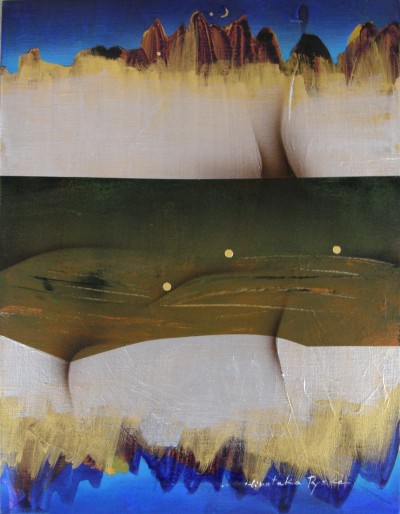
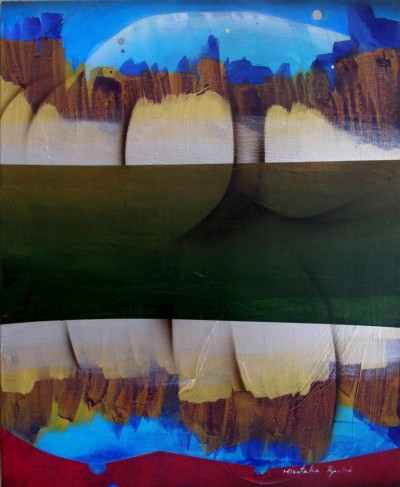
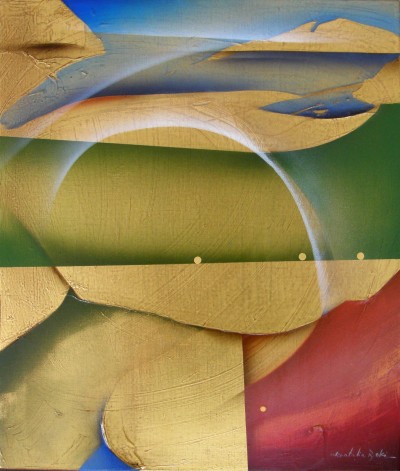
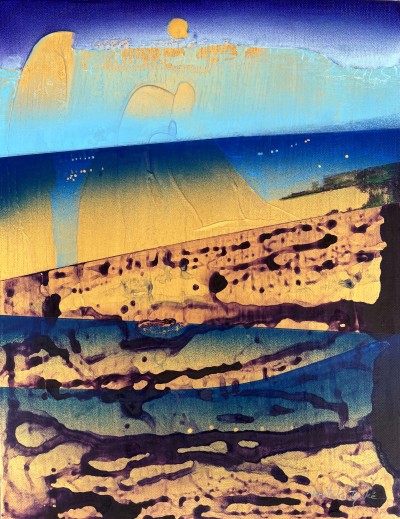
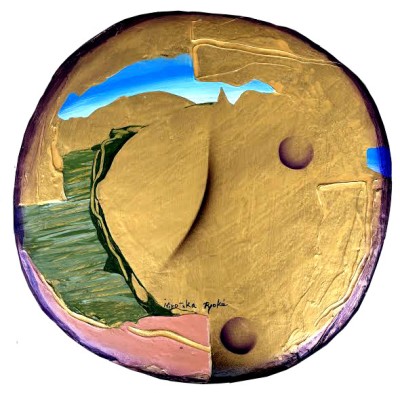
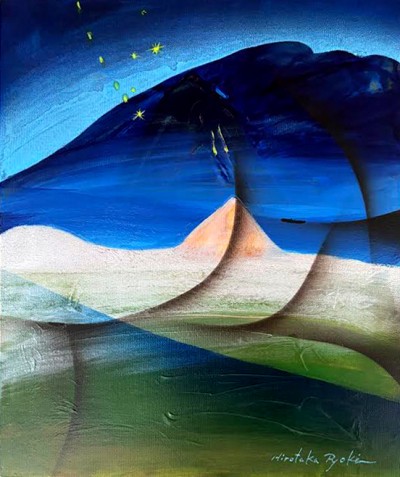
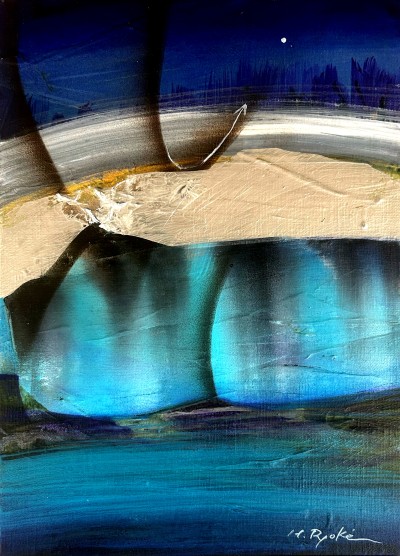
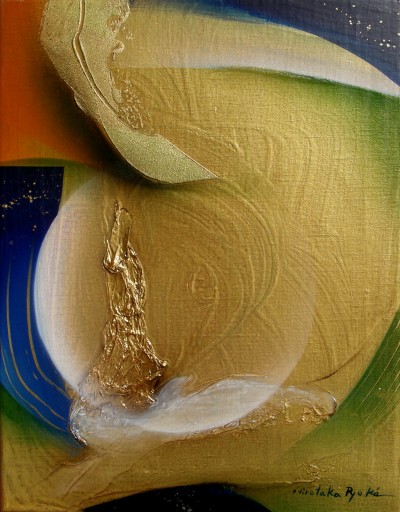
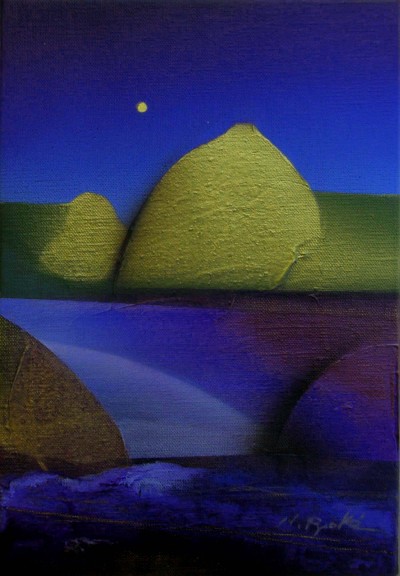
We want to cherish the roots of Japan!
That is my imaging, the soul of the ultra-ancient era!
Thirty thousand years ago, the rest of the world used chipped stone tools, but only Japan used polished stone tools.
Then, 16,000 years ago, the Jomon civilization began.
The patterns on Jomon pottery are not just simple motifs, but are said to serve as a barrier to protect the sacred water within the pottery.
I heard the voice of onomatopoeia.
For the craft, I visited the Mawaki Ruins in Noto.
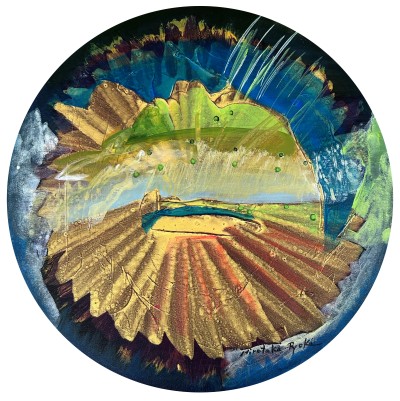
At the Mawaki Ruins, there is a circular wooden column row reconstructed from 4,500 years ago and a 9-meter dugout canoe.
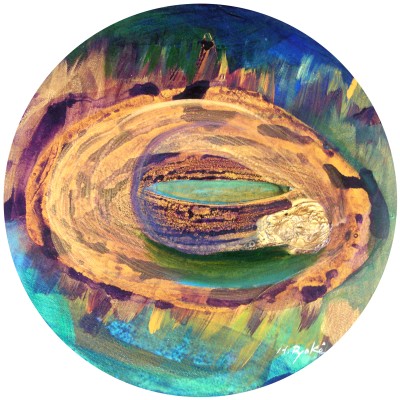
The vertically arranged columns in a ring are arranged in the east, west, south, and north, and furthermore, the three pillars are aligned in a straight line toward sunrise and sunset during the spring and autumn equinoxes.
During the Jomon period, people built facilities to learn about the changing seasons through the repeated sunrise and sunset, cultivated plants, planted trees, made accessories like kohaku and agate, and made clothing.
I'm sure you have felt changes in light, wind, and ocean currents.
I believe we were giving prayers to sacred water and moon, sacred fire, and the souls of the earth, and creating peaceful life activities by faith in the calendar of stars and sun.
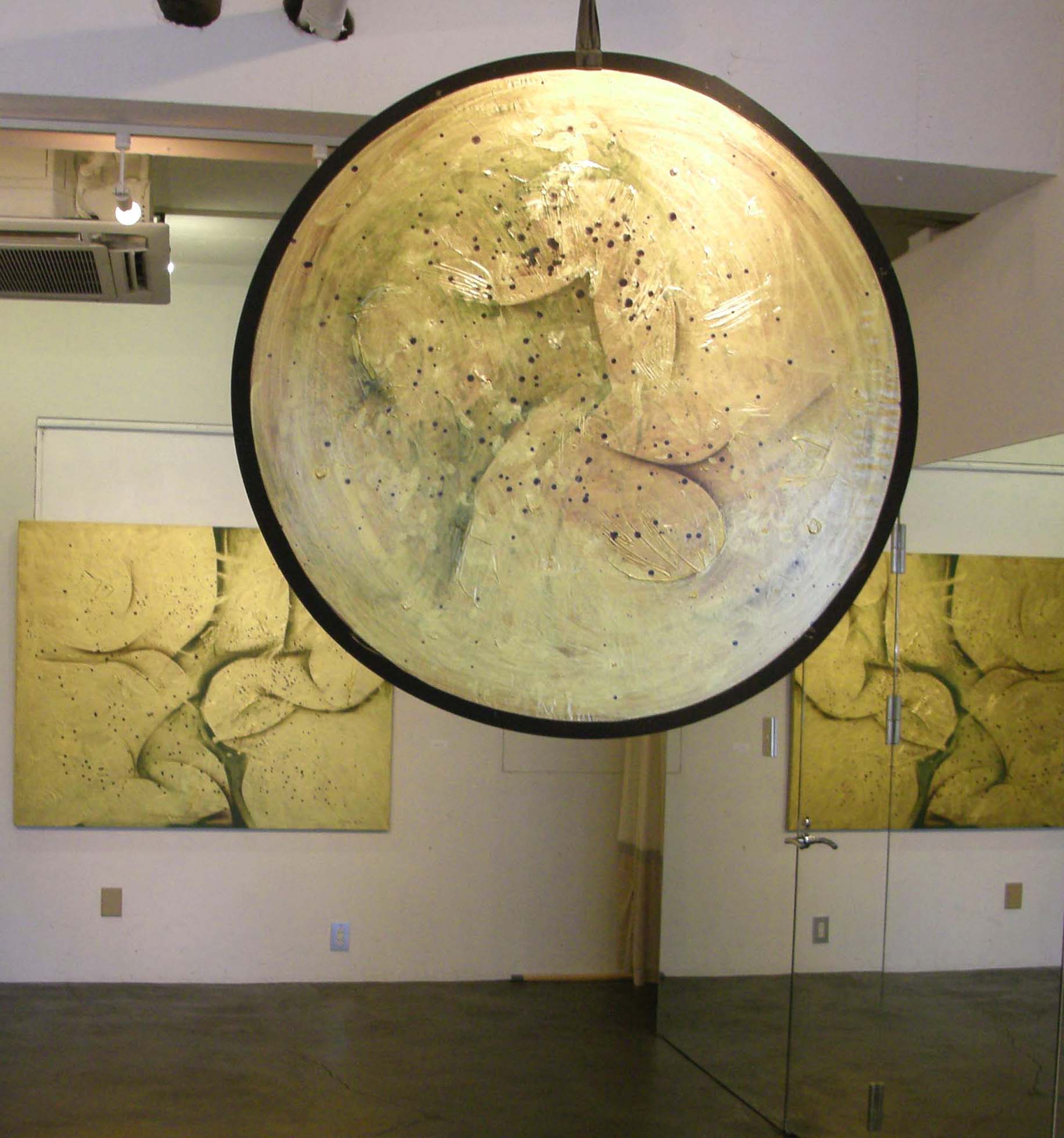
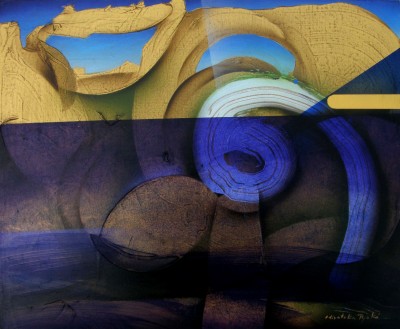
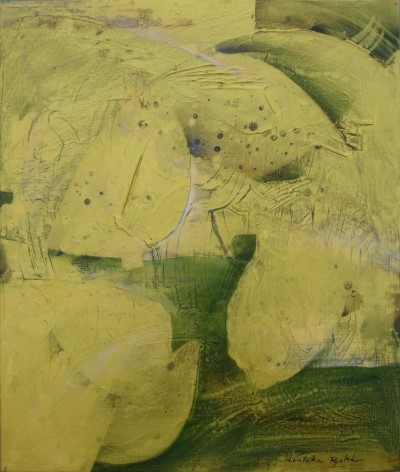
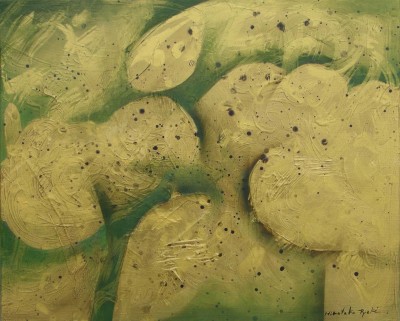
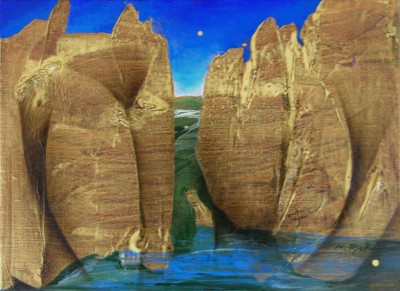
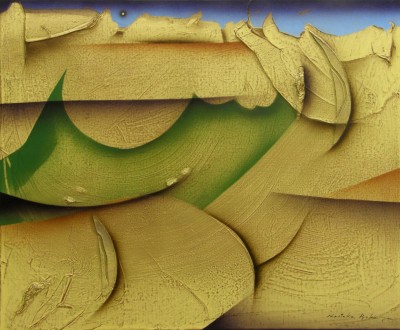
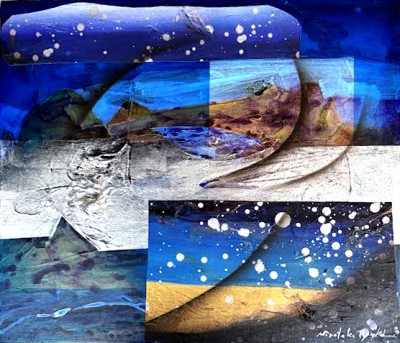
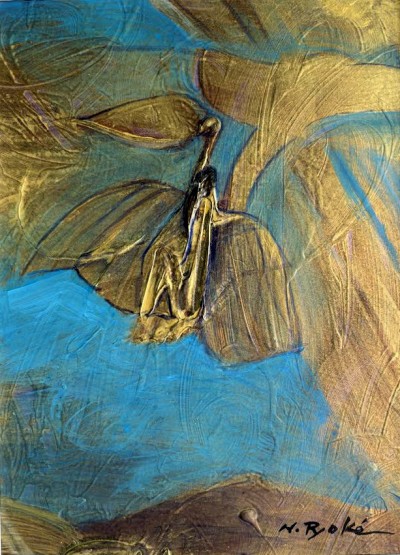
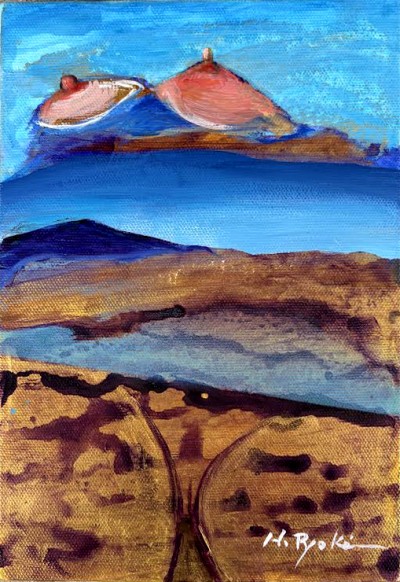
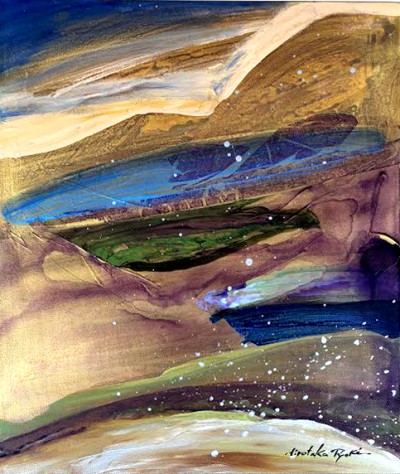
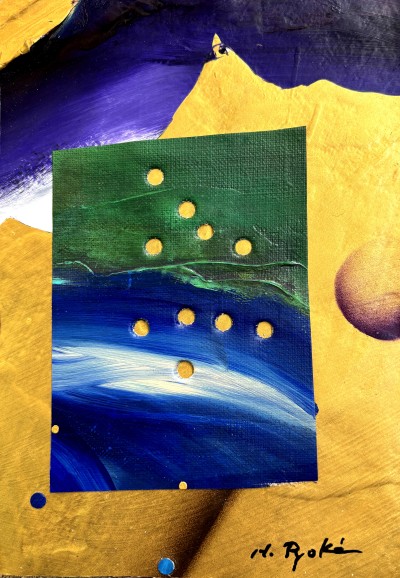
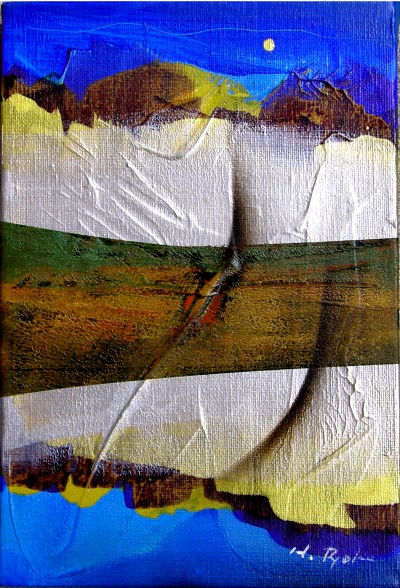
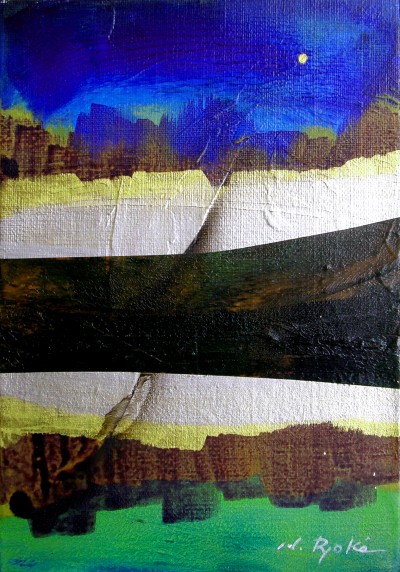
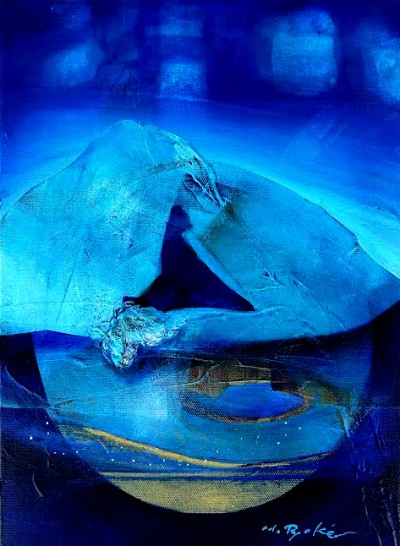
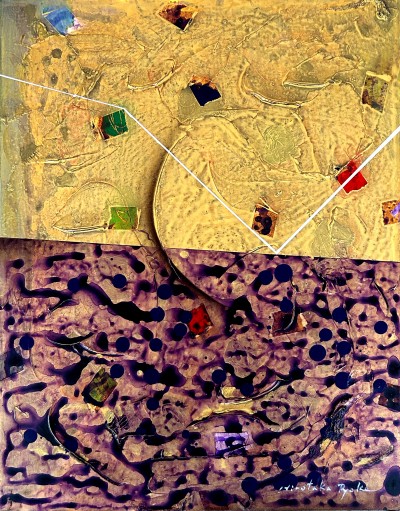
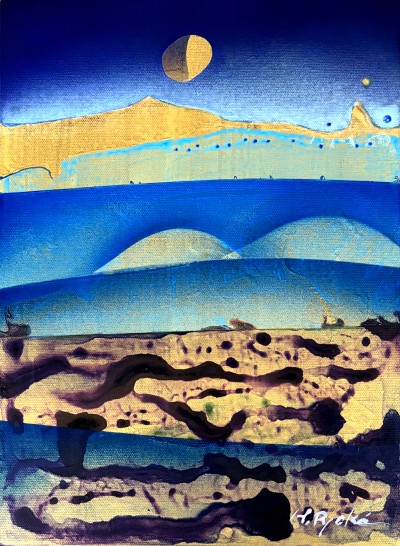
I will continue the exhibition "Sacred Nature and the World of Water."
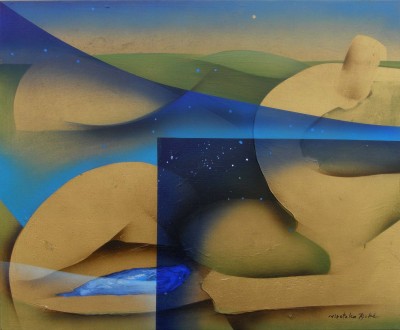
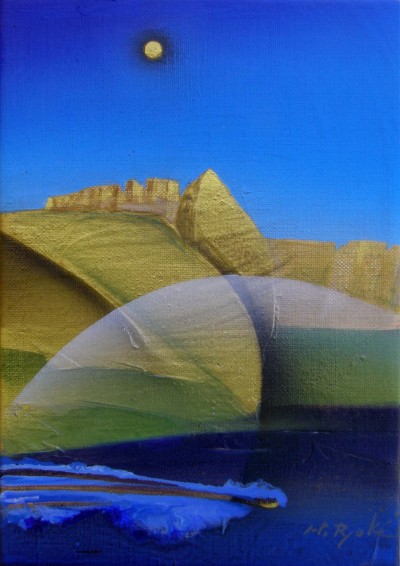
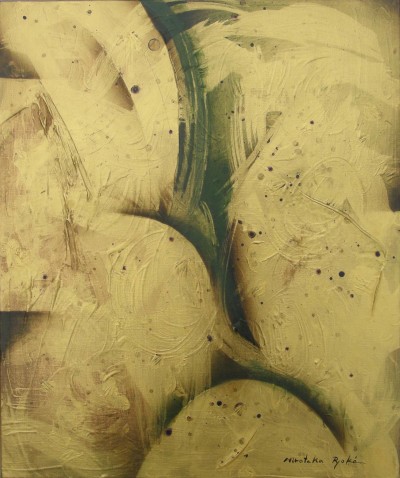
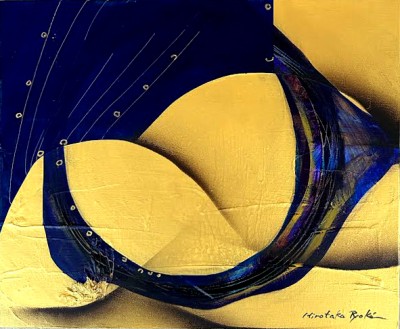
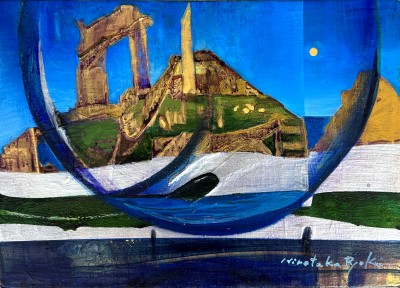
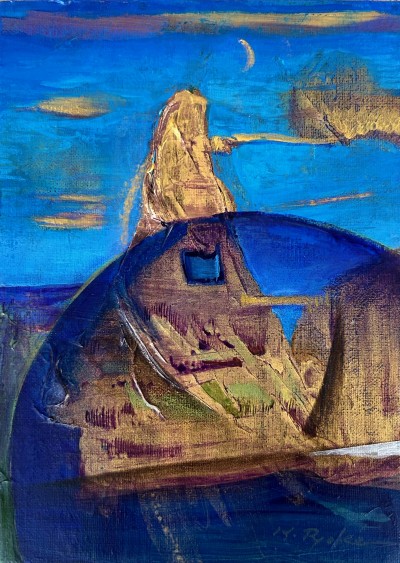
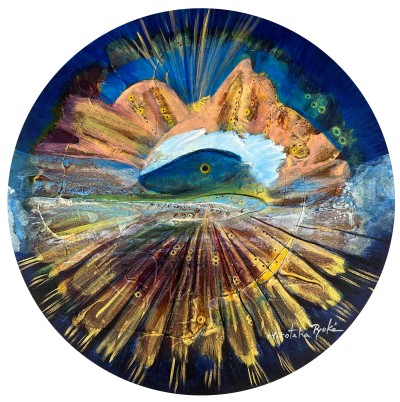
Painting by Hirotaka Ryoke
Video Production: Ari Ariyasu
fromAriyasu ArionVimeo.