
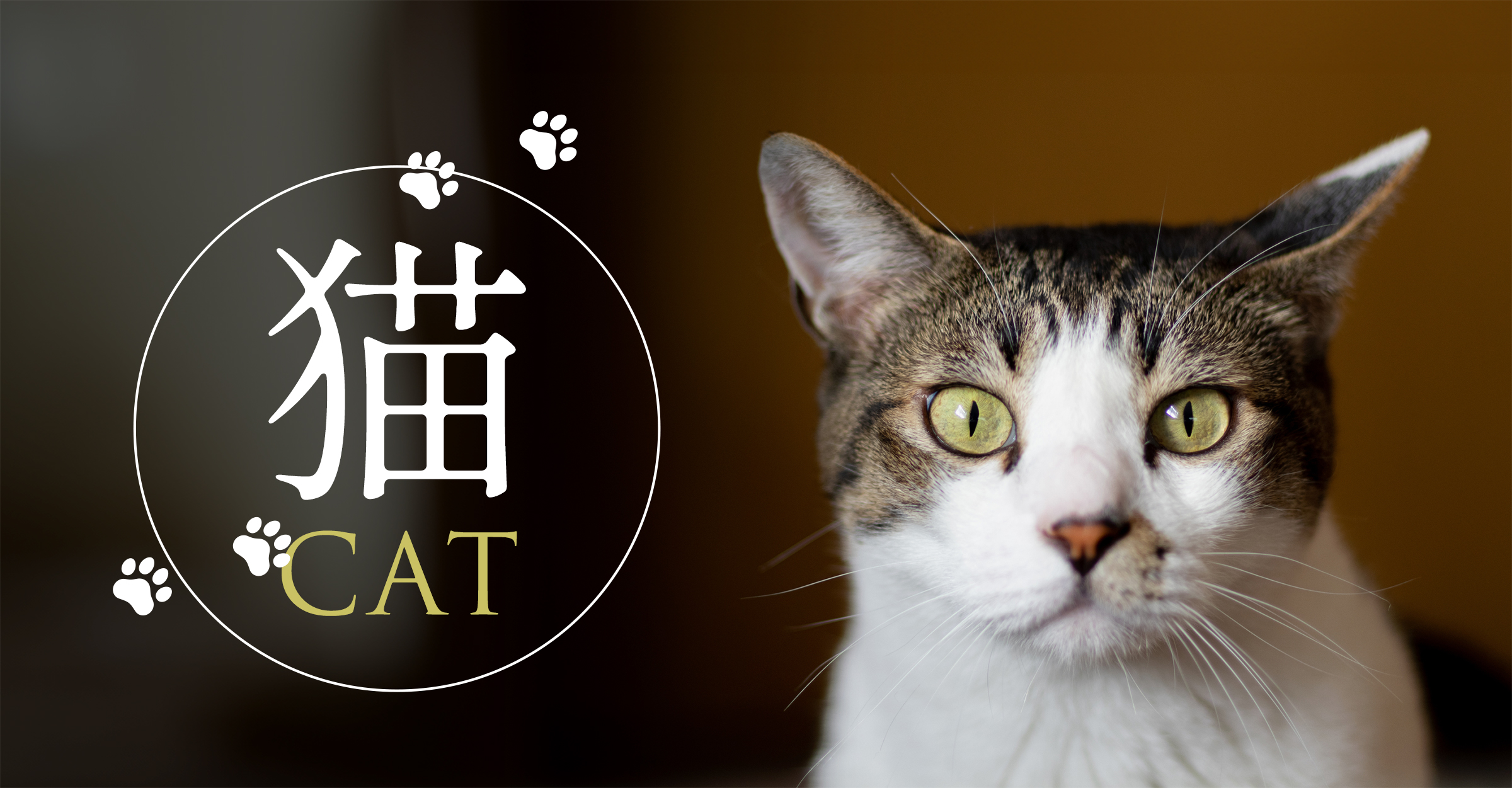
When did cats become cute? —The relationship between Japanese people and cats through art
Cats have always been very close to our daily lives.
Nowadays, you can meet cats from all over the world by opening social media, and there are many opportunities to see cats in various forms such as photos, videos, movies, and merchandise.
So, how did people in the past view cats? And when did cats come to be cherished as "cute beings"?
This time, we focus on such familiar beings: cats. Tracing the appearance of cats in Japanese art, we explore the changing relationship between cats and humans over time, as well as the appearance of cats in contemporary art.
Cats in the Edo Period—How a 'Scary Cat' Became a 'Cute Cat'
Nowadays, cats are said to be "cute!" just by sleeping. If you open social media, cats from all over the world appear one after another.
However, in old Japan, cats were a somewhat different kind of person than "kawaii!" (cute!).
It is said that cats first appeared in Japanese art as far back as the 12th century.
The image depicted is in the 'Shigisan Engi Picture Scroll' 'Nun no Maki' (held by Asago Sonshi-ji Temple). It is a black cat crouched inside the house.
This cat is from over 800 years ago. Thinking about it this way, it becomes clear that cats have been part of Japanese daily life for quite a long time. Even as times change, the way cats curl up inside the house somehow seems no different from today's cats. So, how were such cats viewed during the Edo period?
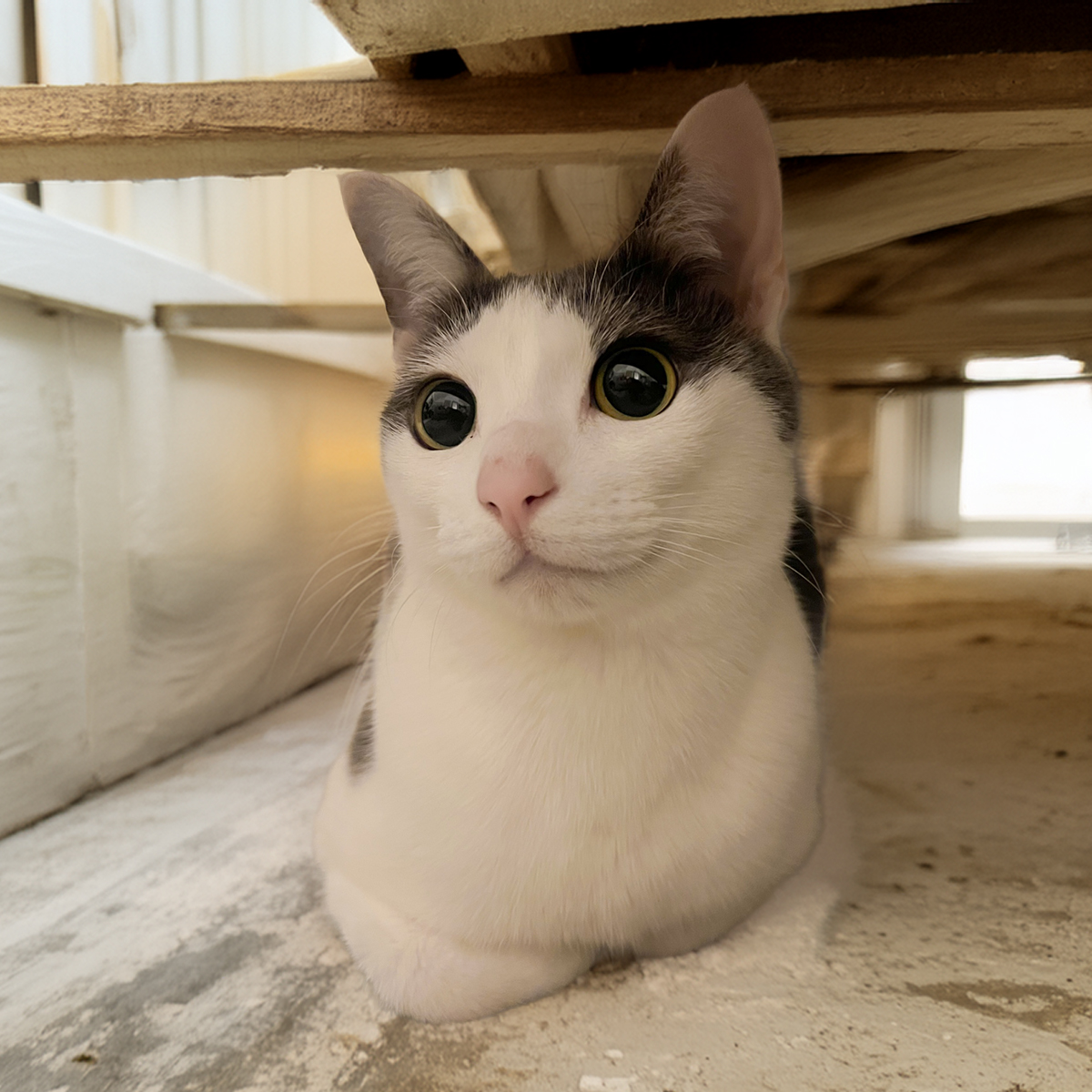
Modern Japanese cats curled up under the floor
In the Edo period, cats were considered reliable creatures that caught mice, but they were sometimes treated as yokai as 'monster cats,' which made people somewhat afraid of them. In contrast to loyal dogs, they are often seen as eerie and cunning animals, and in paintings, they are often seen as eerie and cunning, and in paintings, they are often seen as minor supporting characters. They are complete supporting characters.
There is a person who has greatly changed the image of cats. That person is Kuniyoshi Utagawa.
Known as an avid cat lover, Kuniyoshi created a series of unique works featuring cats as motifs. His ideas were truly outstanding, such as the parody work 'Fifty-Three Cat Keepers' 'Myakaikou Fifty-Three Pieces,' which turned Utagawa Hiroshige's 'Fifty-Three Stations of the Tokaido' into a cat-themed parody, and caricatures of kabuki actors with cat faces.
In Kuniyoshi's hands, cats suddenly rise from supporting roles to leading roles. Cats, once feared as 'monster cats,' now play a major role in the painting. Cats have quite a career path.
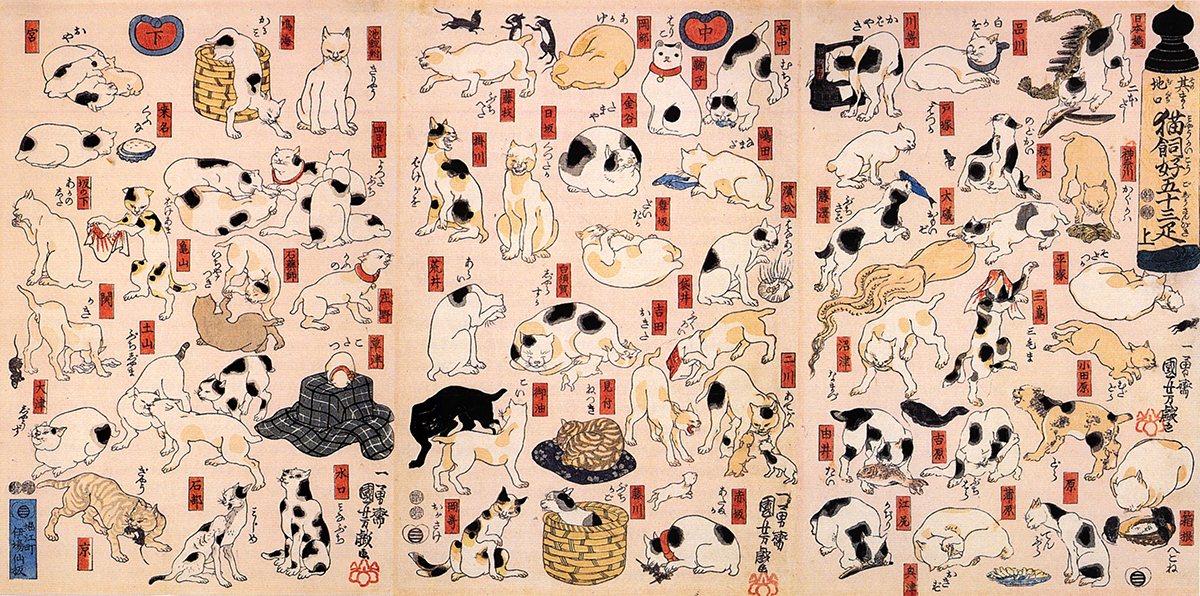
『猫飼好五十三疋』作:歌川国芳
That said, the "cat popularity" at the time did not spread throughout society. This cat boom was primarily a trend centered around the Utagawa school.
In other words, cats in the Edo period were not yet considered "everyone's idols."
Cats since the Beginning of Civilization—Cats, Modernizing
The image of the 'bakeneko' finally faded during the Meiji era's enlightenment and modernization. As rational and scientific thinking spread, values gradually changed as well. Cats came to be seen not as 'somehow creepy creatures' but as 'living beings.'
And then, a small turning point comes for the cat.
Against the backdrop of the plague outbreak, cats that catch mice have gained attention, and the government has even started encouraging cat ownership. Here, cats are surprisingly officially recognized by the government.
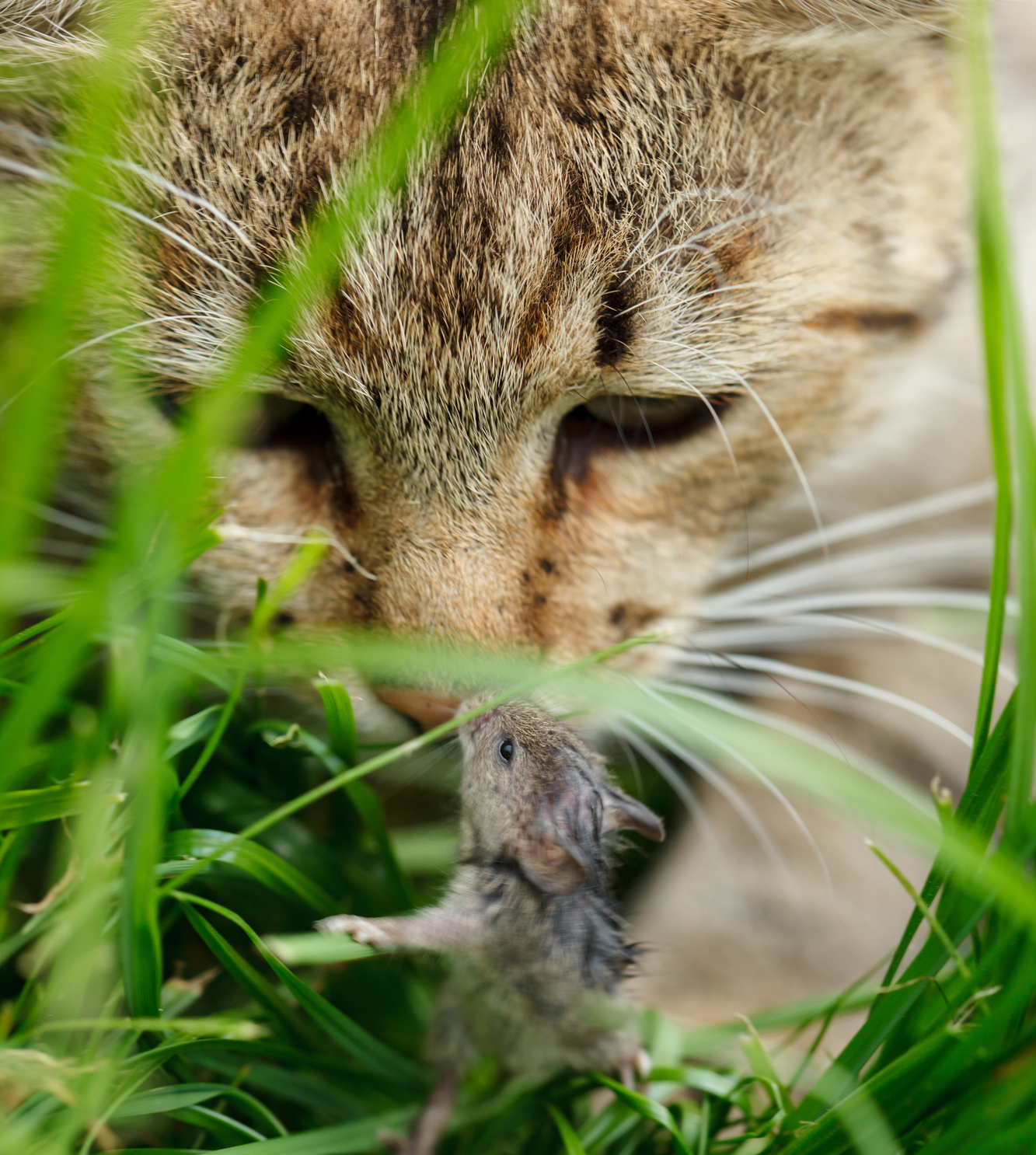
Cat catching mice
That said, it was still not the era of simply "keeping one because it's cute." When war began, cats were sometimes lost as a source of fur. Cats were still seen by humans as "useful beings." The status of cats changed dramatically after the war. When Western cats like Siamese and Persian cats entered Japan, cats became popular as pets for the wealthy.
As time progressed and the period of rapid economic growth came to an end, the decline in stray cat numbers helped fuel, and cats gradually and in earnest became beings they wanted to live with.
Thus, cats changed their status from "cats for catching mice" to "cats loved as family members."
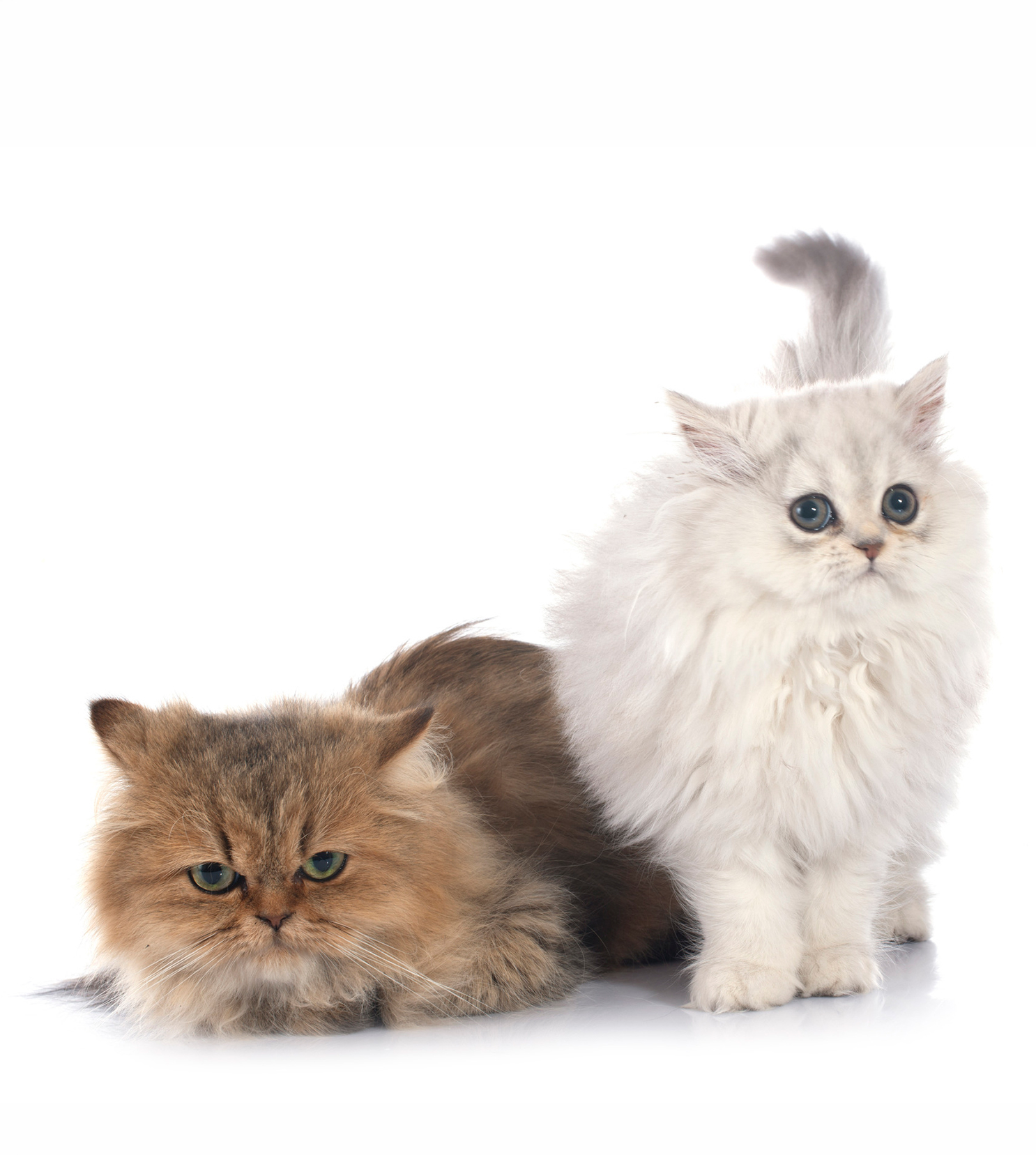
Persian cat
Feared, made to work, and finally loved.
The history of cats has been quite tumultuous.
Modern Times—Have Cats Become Art?
Thus, cats transform from "being used to catch mice" to "being loved as family."
As their roles change with the times, they are increasingly becoming part of our daily lives. Photos and movies featuring cats have gained popularity, and former works by Utagawa Kuniyoshi have once again come into the spotlight.
And now, in the present day. If you open social media, you'll see cats that are affectionate, sleeping cats, cats running around, and cats that somehow want to get into boxes...... And so, cats from all over the world appear one after another. Cats have become an existence everywhere in our daily lives. So, when you were asked, "When you think of cats, who comes to mind?"
Nowadays, expressions featuring cats as the main characters are everywhere, such as Mitsuaki Iwago's cat photos and the 'influencer cat' who gathers many followers on social media.
On the other hand, when you hear 'painter who paints cats,' you might think of a few people who immediately think of his name. Of course, there are still many artists who create works inspired by cats. Still, figures like Kuniyoshi Utagawa, who often imagine 'this person when you think of cats,' seem to be a bit less visible in modern times. Why is that?
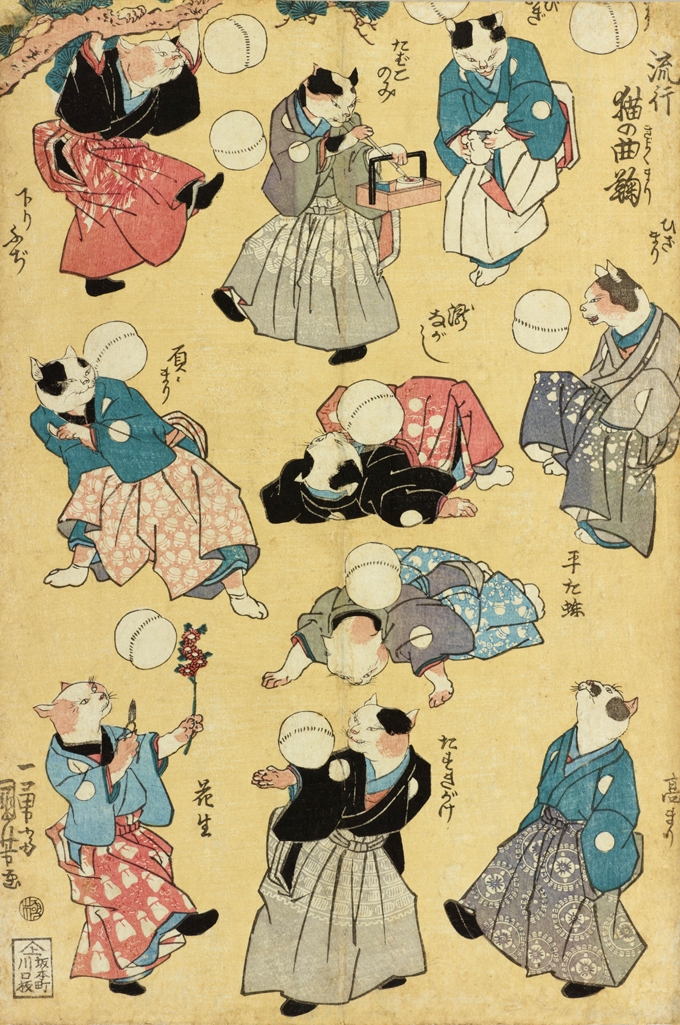
Humorous cats drawn by Utagawa Kuniyoshi
Source: Ota Memorial Museum of Art
One reason for this may be that the way we see cute cats has changed significantly. In the past, to enjoy cats, you had to see them through paintings, photos, movies, and so on. But now, with the spread of social media, you can open your smartphone and meet cats from all over the world right away. And it's free.
Cats sleeping, cats with strange faces, and cats that are attached to their owners keep appearing one after another just by scrolling. Even if you think 'enough' on your side, the cat won't come home at all. Thinking about it that way, perhaps the inevitability to choose 'painting' just to enjoy the cuteness of cats is fading compared to before.
So, does this mean that the relationship between cats and art has weakened?
In fact, it might be the opposite. Modern cats freely move not only through photos and videos, but also through movies, merchandise, advertisements, social media, and more. There's no longer even a need to search for "Where is the cat?" They come from the other side on their own.
In Utagawa Kuniyoshi's era, "painting cats" itself was an expression that attracted people's interest. On the other hand, in modern times, cats themselves have become an entity that captivates people across media. That is why artists who paint cats have stopped standing out not because cats' popularity has declined, but rather because cats have become so familiar.
Cats never change at all. They are always fickle, never going as humans want. They have always maintained that freedom and charm. What has changed is the society and values surrounding cats. Watching works themed around cats is not just about watching cats themselves. They reflect how people of that era viewed cats and what kind of distance they maintained in their relationships.
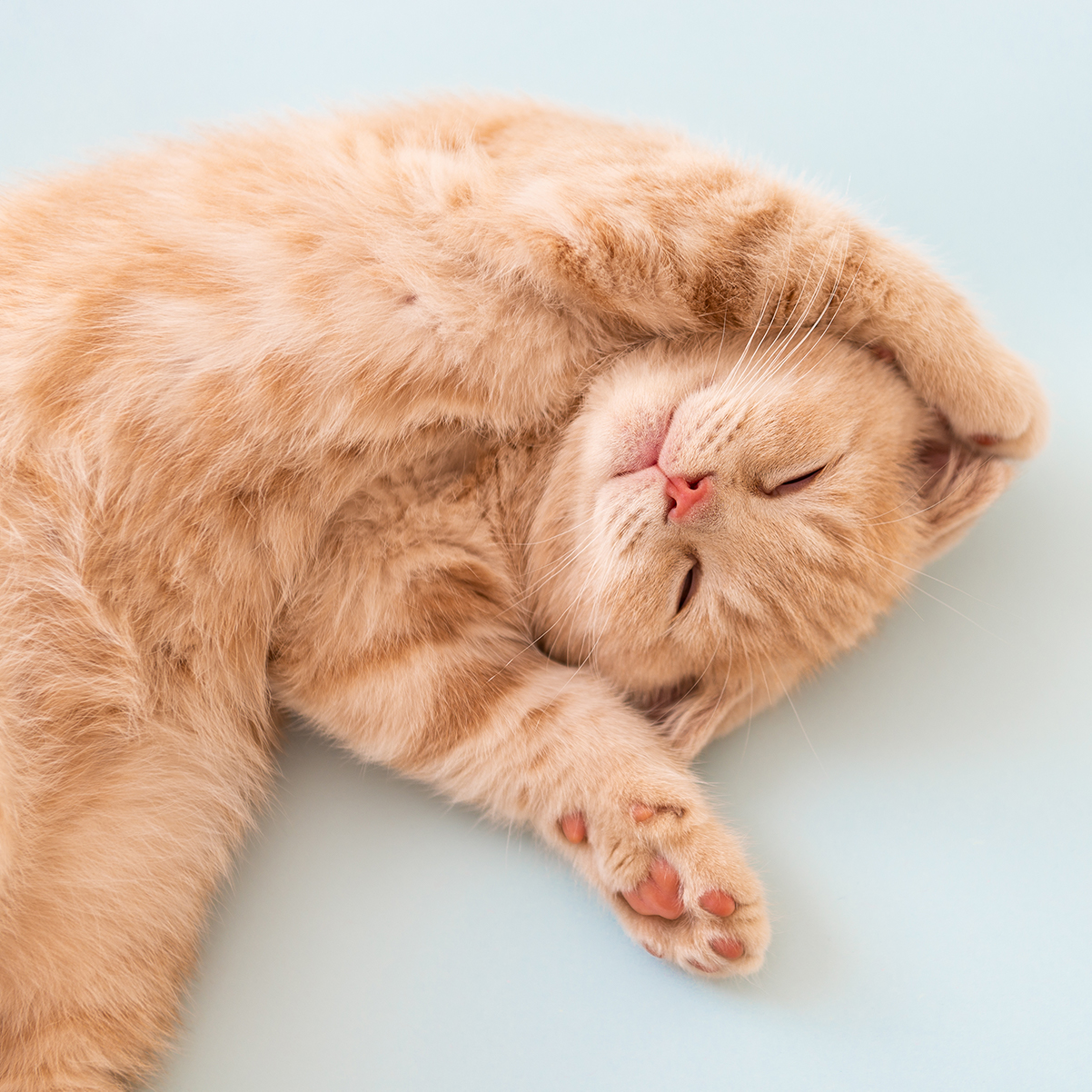
So, how do contemporary artists perceive such cats? If you open social media, you can see as many cute cats as you like. Still, they deliberately depict a single cat as a "work." Perhaps there is a cat image that can only be captured in painting, not in photos or videos.
From here, we will introduce works by artists who vividly depict the "cats of today."
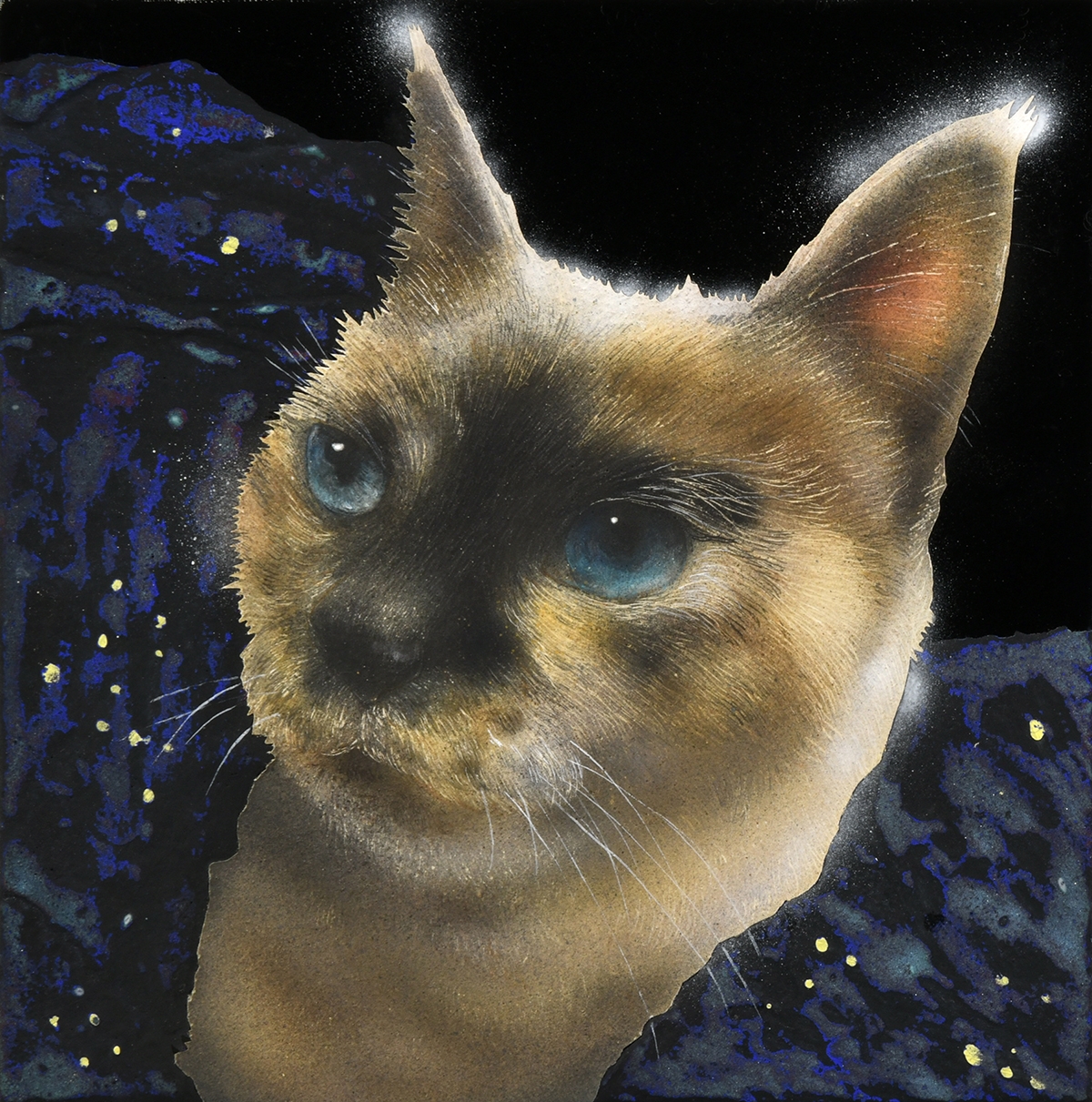
Shiro 1 at noon
Author: Shogo Zaida
Size: 180×180mm
Art materials: cotton cloth, pigments, mineral pigments, acrylic paints, calcium sulfate
Year of Production: 2022
About the Work
The cat at home, Shiro, is always expressive and adorable, but the moment he yawns is especially endearing. Cats spend most of their day sleeping, and even when awake, they seem somewhat sleepy. While spending their time vaguely and hard to tell what they're trying to do, Shiro's relaxed expression—which makes you feel that stopping to rest or overthinking it is pointless—brings a slight smile and a renewed sense of progress.
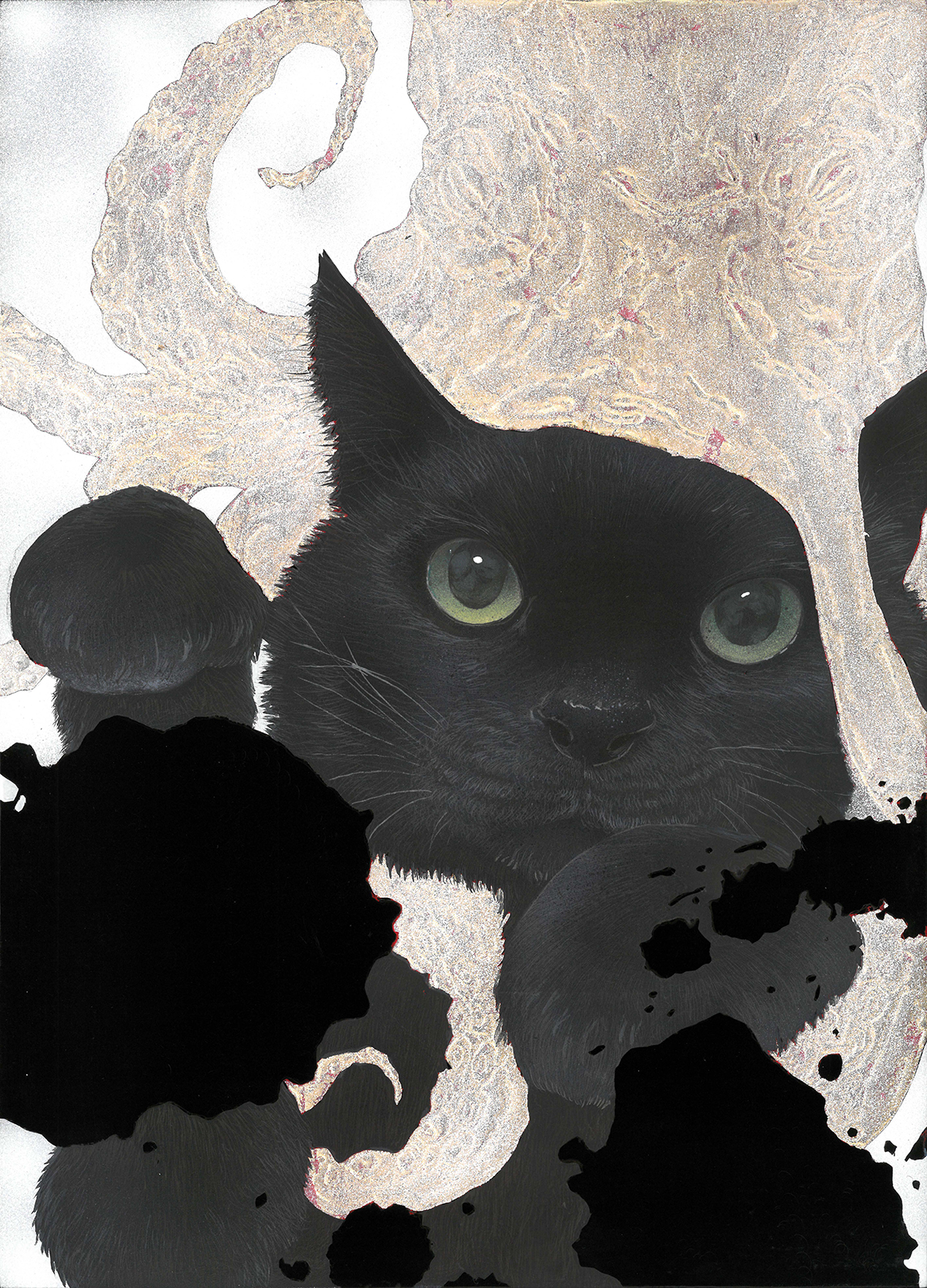
Octopus and Maneki-neko
Author: Shogo Zaida
Size: 333×242mm
Art materials: cotton fabric, pigments, mineral pigments, acrylic paints, calcium sulfate, foil, ink
Year of Production: 2024
About the Work
The combination is a lucky charm where the cat symbolizes 'beckoning cat = money and guests,' and the octopus represents 'happiness.' There is a local folk craft from Yamagata Prefecture where I used to live, called the Sagara doll. Among these folk crafts made in Yonezawa City since the Edo period, there is a famous motif called 'Neko ni Tako,' where an octopus is wrapped around a cat's head. This time, I drew inspiration from that for this creation. Among the beckoning cats, black cats are said to have blessings for warding off evil and misfortune. I painted them hoping the work would attract good fortune and ward off misfortune.
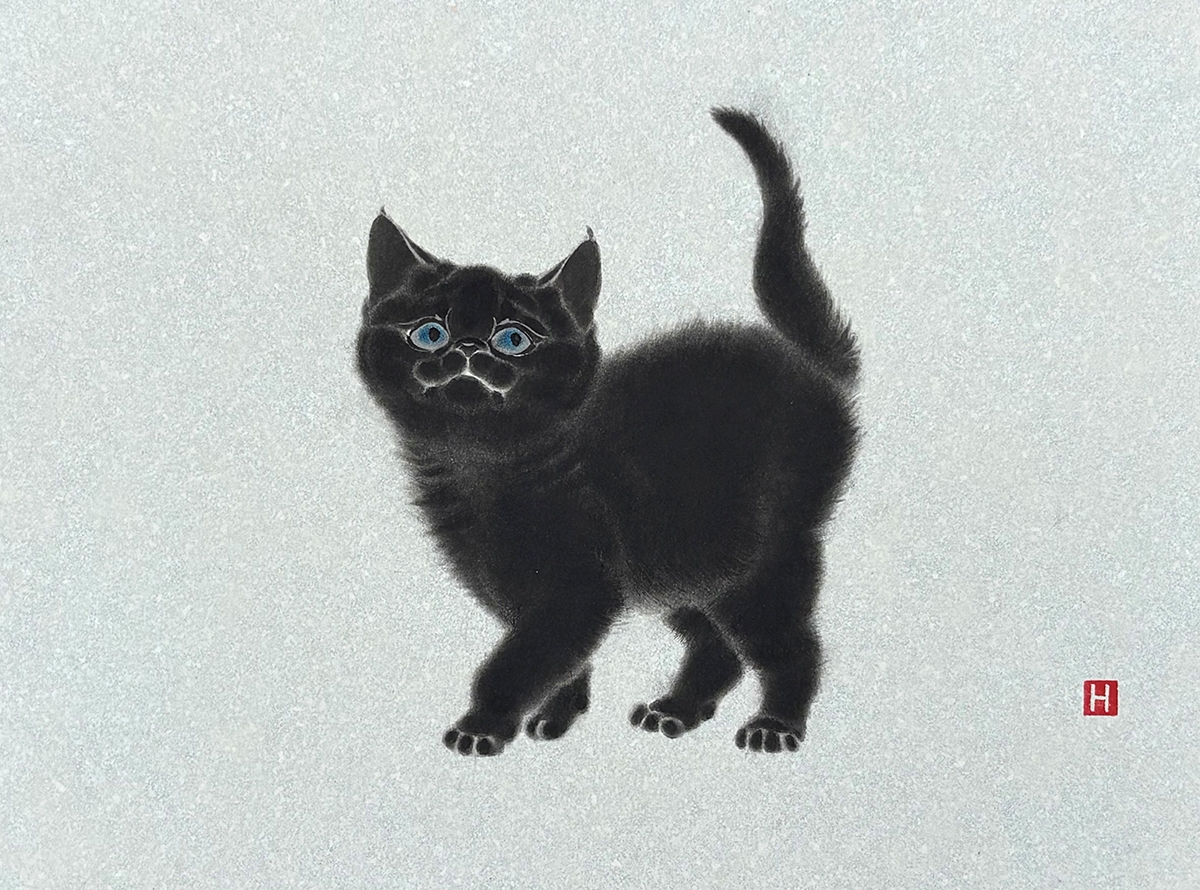
Cocky kid
Artist: Hiroe Nakao
Size: 190×273mm
Art materials: ink on paper, mineral pigments, platinum mud
Year of Production: 2026
About the Work
I drew a kitten walking excitedly. I expressed the kitten's adorable movements, soft fur, and mass by making use of the characteristics of ink. I used four types of ink to draw this kitten. I layered them lightly and gradually turned them black. Admiring Kayo Yamaguchi's black cat depictions and seeking a beautiful black and white composition using ink, I created my own abstract black cat depiction. To avoid overly specific cat appearances, I chose not to draw whiskers.
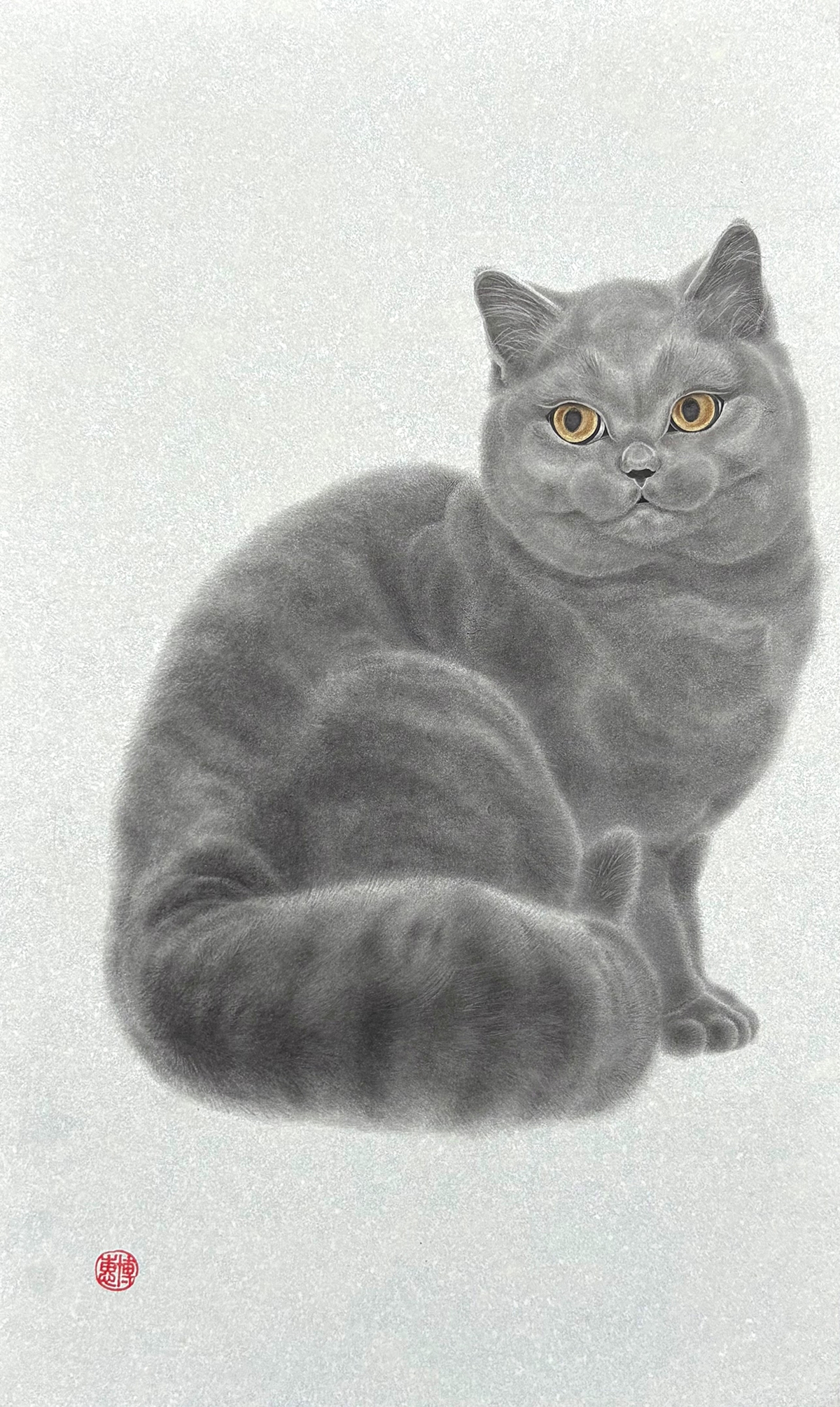
Princess
Artist: Hiroe Nakao
Size: 455×273mm
Art materials: ink on paper, mineral pigments, ink, platinum mud
Year of Production: 2025
About the Work
This is also a subject where I challenged myself to paint gray motifs with ink. To convey the softness that only ink can achieve, and to convey a sense of substance and mass, I research the types of ink and the way to layer ink. I paint hair over the ink painting with platinum mud to give it a sense of weight.
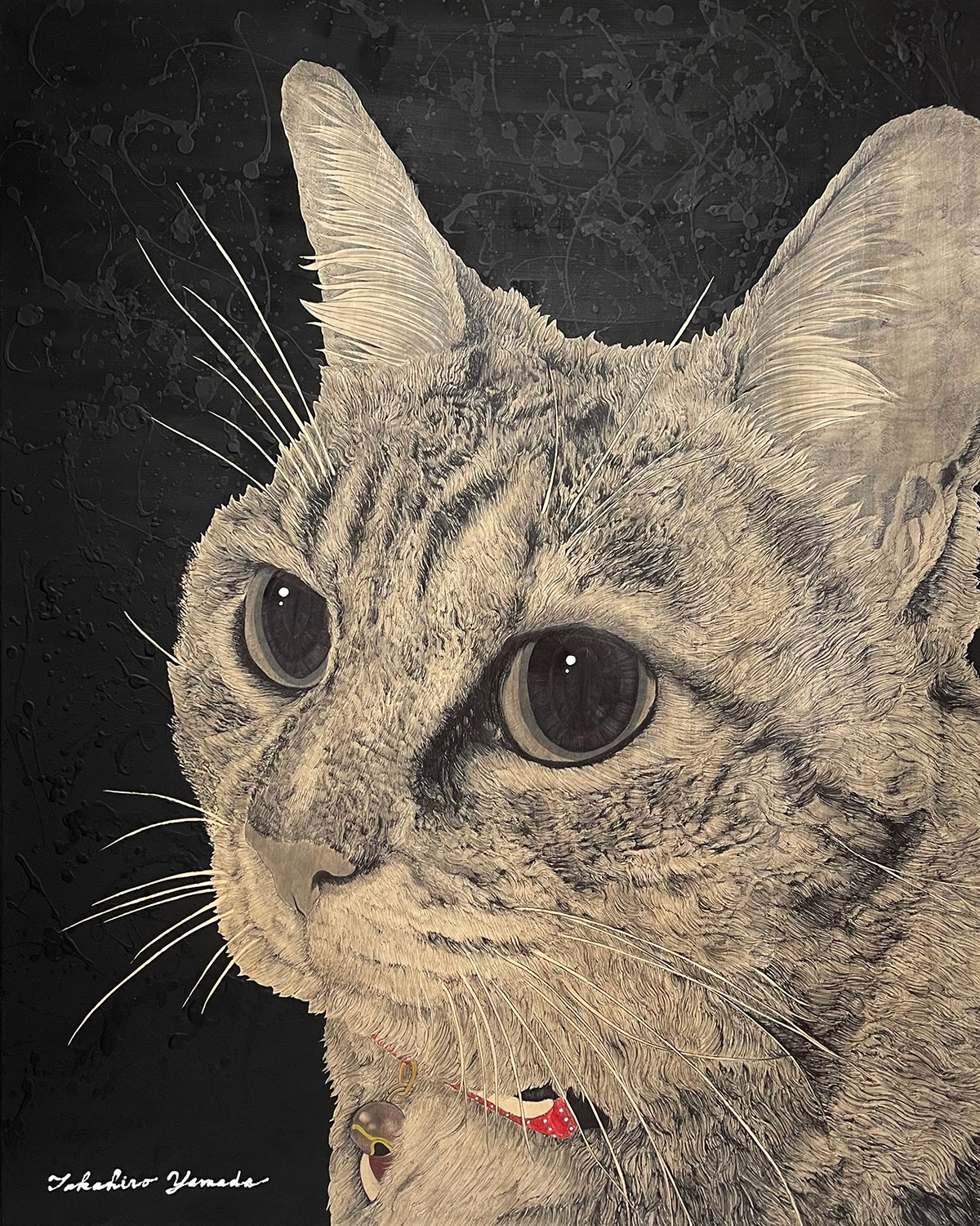
This is the campsite (above the rice cooker).
Artist: Takahiro Yamada
Size: 727x910mm
Art supplies: Panel with ink, pencil, and gesso
Year of Production: 2024
About the Work
A tabby cat painted on a wooden panel. With a somewhat solemn expression, it sits on top of the rice cooker, warming its butt. This piece, which carries a certain philosophical depth, is modeled after the same photo as the artist's trademark homage work 'Vermeer Cat' since the 2020s. There is also a theory that it looks like Anpanman. In 2026, it was featured in the September issue of Monthly Art Collectors with a cat feature. Soon, it will be adopted on sake labels at a sake brewery in Kochi Prefecture (planned)
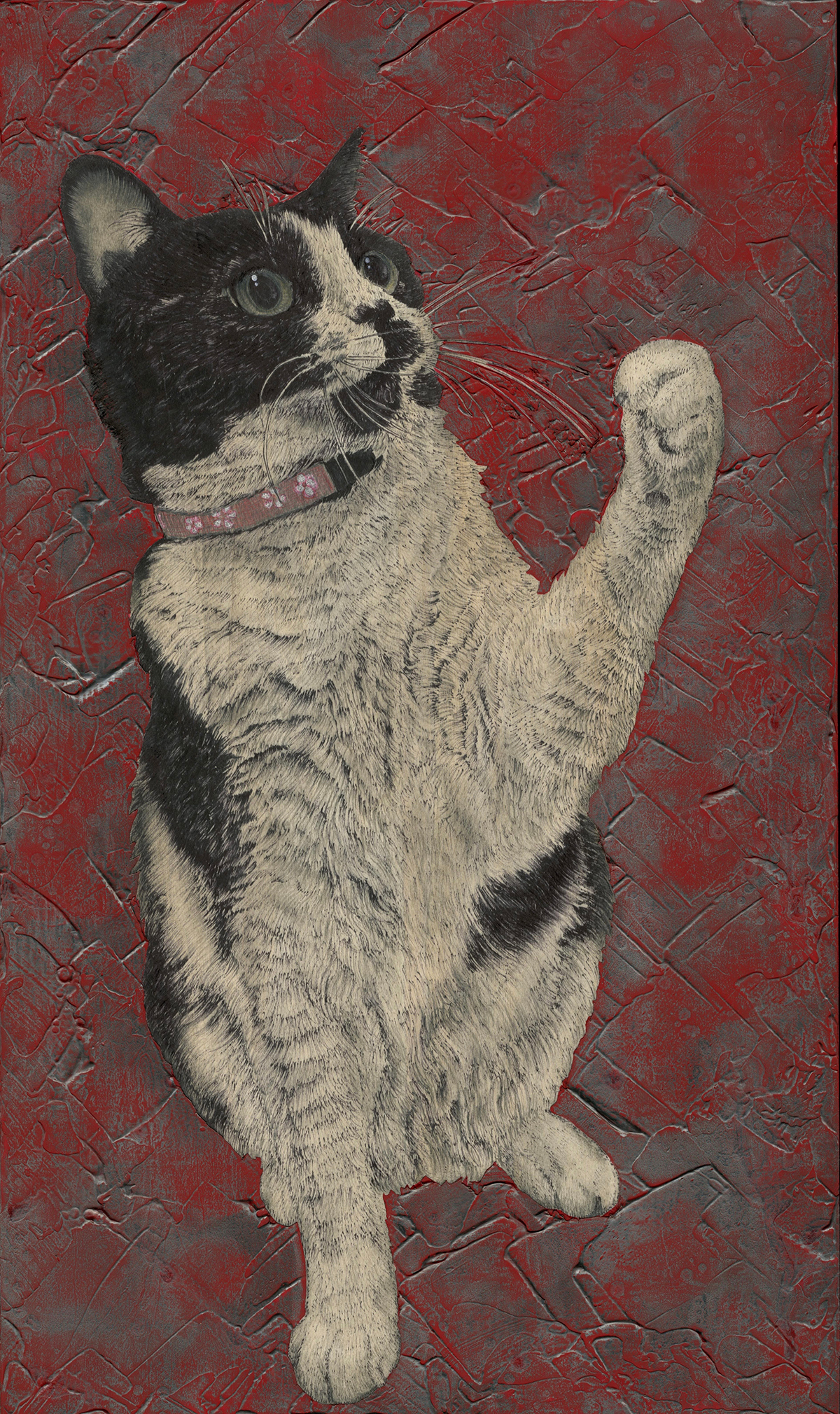
Today at work... Rest?
Artist: Takahiro Yamada
Size: 242x410mm
Art materials: Ink, pencil, and acrylic on the panel
Year of Production: 2026
About the Work
A fist pump on an unexpected holiday. After passing away my beloved cat Kijitora in 2022, I have had more opportunities to draw cats of friends and acquaintances as models. Among them, Hachiware is the most common, with over 20 pieces I have drawn. This work is one of six pieces in a series, depicting a funny and adorable figure wrestling with a cat teaser. From December 10 to 16, 2026, I plan to exhibit it at the Fukuya Hatchobori main store in Hiroshima. Please come see the actual piece.
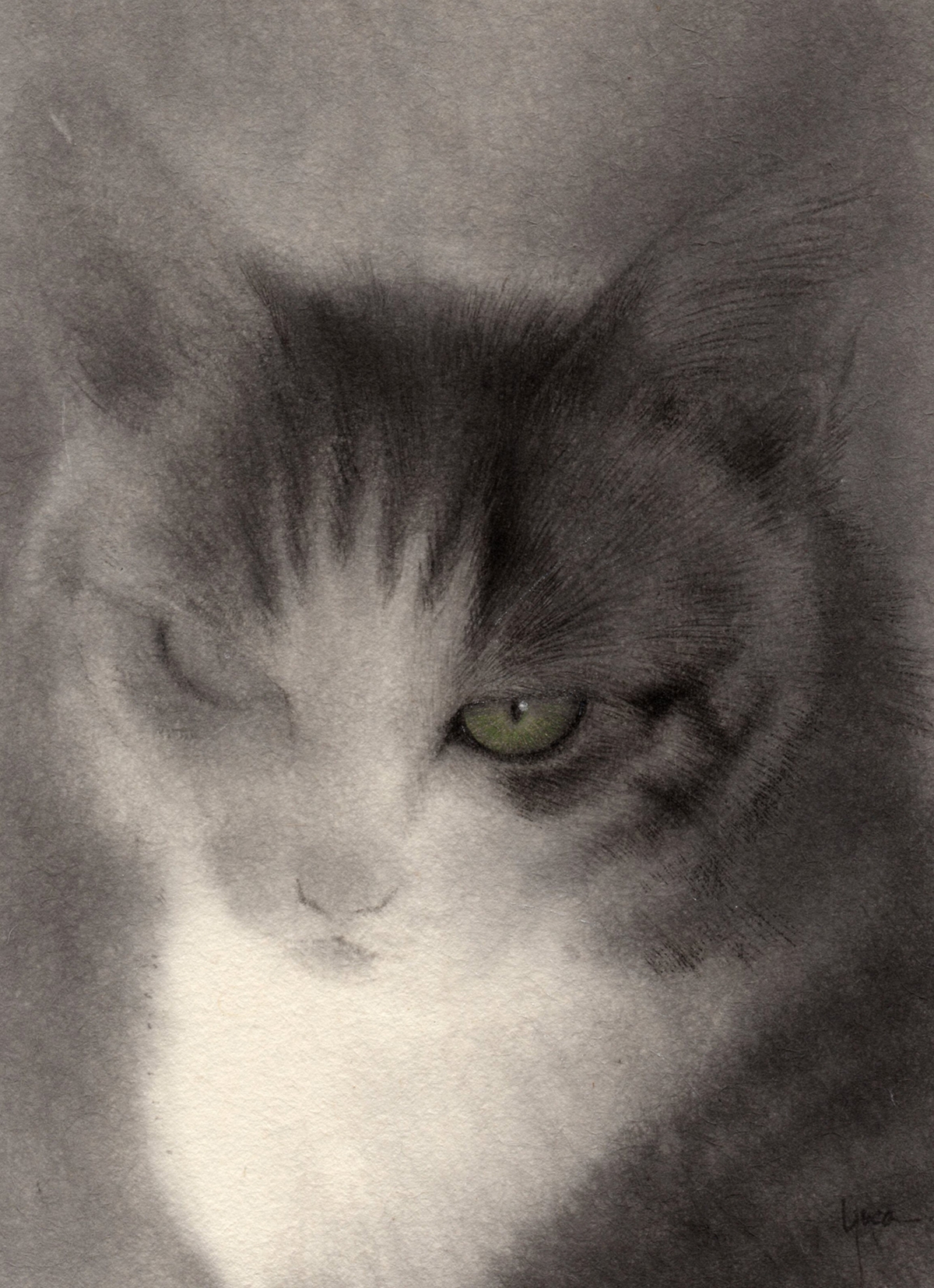
hazel
Artist: Yuka Watanabe
Size: 140×200mm
Art materials: ink, mica, gold mud, Suikan paint, Hosokawa paper
Year of Production: 2025
About the Work
I paint while moistening washi paper and letting ink spill out. This is one of the pieces in the series I paint to express the captivating beauty of cat eyes.
Blue Cat
Artist: Yuka Watanabe
Size: 200×300mm
Art materials: Ink, face color, white hemp paper
Year of Production: 2016
About the Work
This is one of a series of works themed around 'color.' At the time, I used Echizen white hemp paper, and I enjoyed the contrast between the white of the paper and the black of the ink.
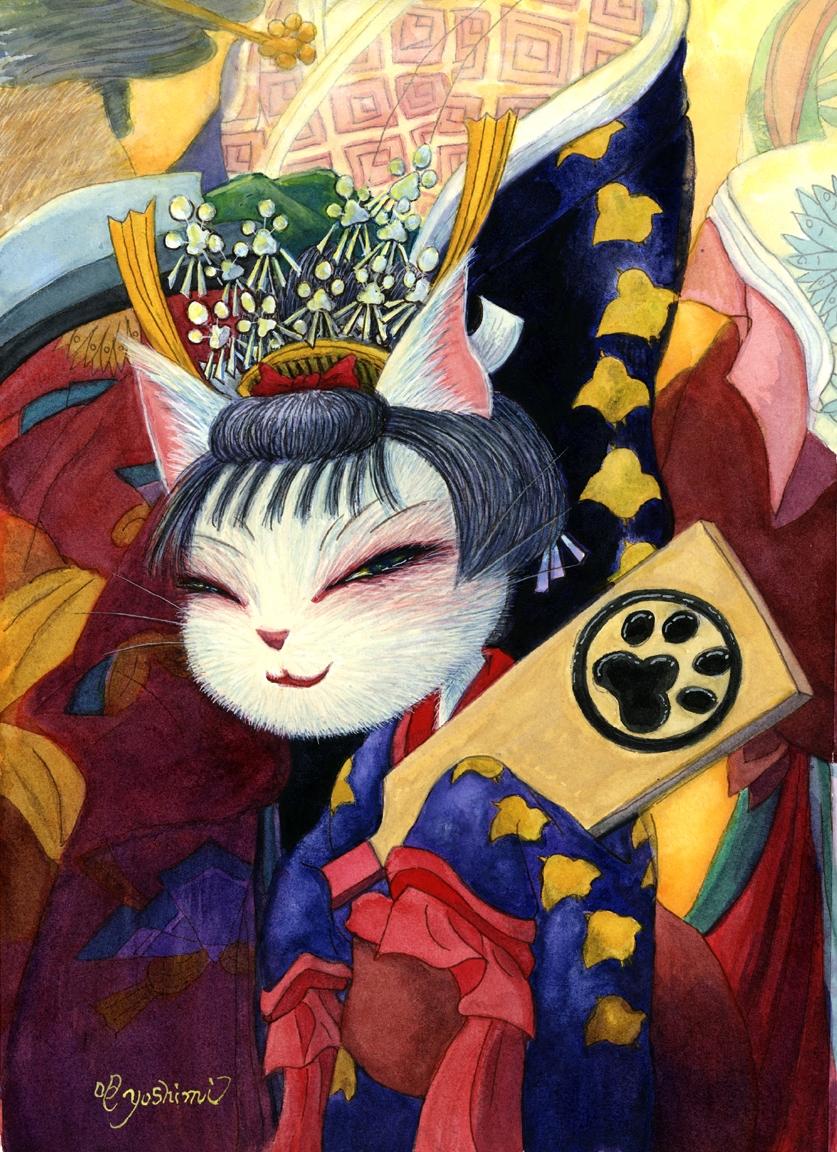
On the late morning of New Year's Day,
Artist: Yoshimi Mura
Size: 350×255mm
Art materials: Arche watercolor paper, millipen, transparent watercolor
Year of Production: 2023
About the Work
At the start of the year, wearing new kosode and greeting the New Year, Kamuro Nyan holds a large hate-ita in his hand.
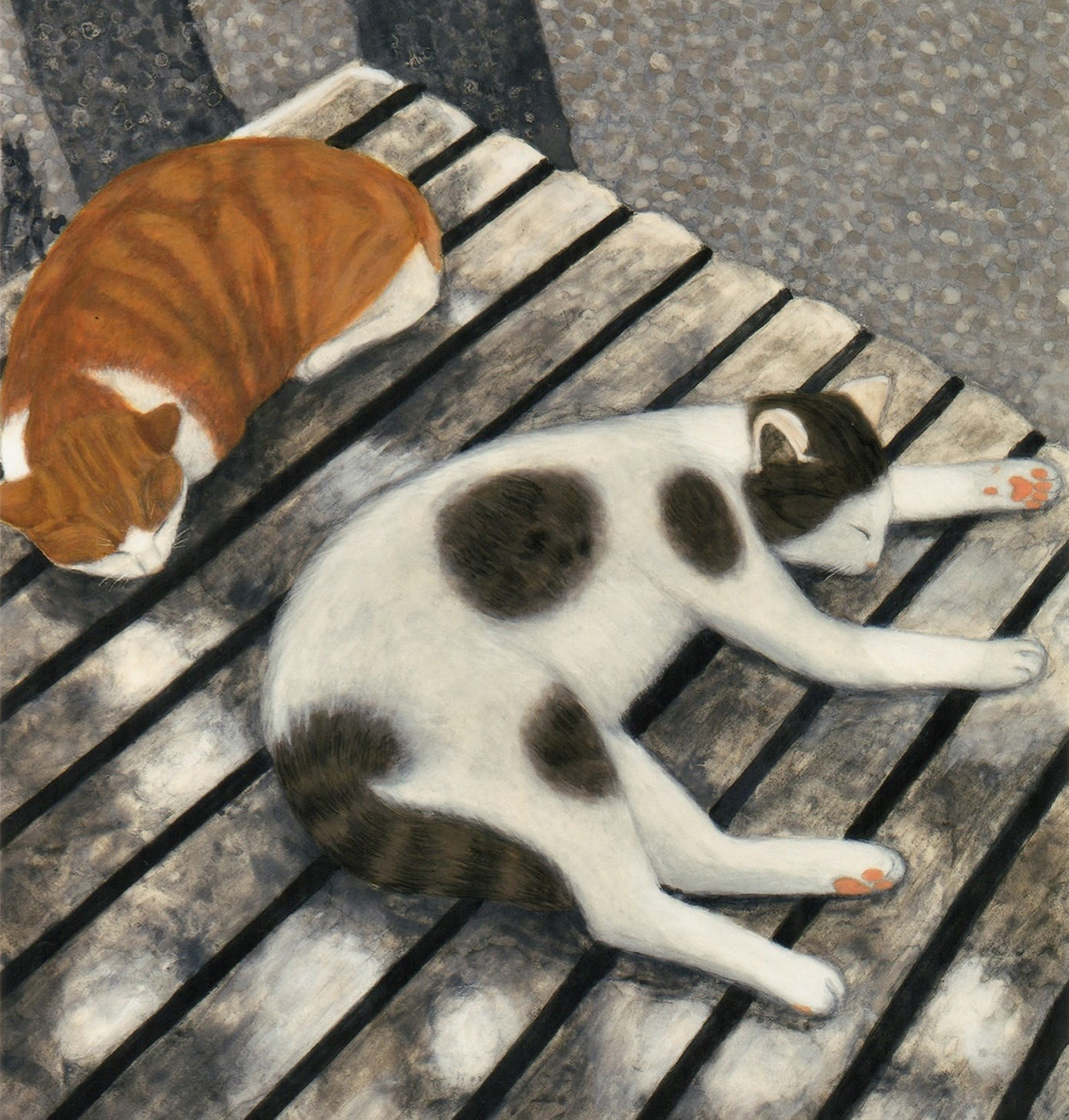
Cats in the sunlight
Author: Guo Ao Qu Song
Size: 530×455 mm
Art materials: Japanese paper, mineral pigments, ink, goko powder
Year of Production: 2021
About the Work
This work is a view from the Gotemba Service Area I stopped by during my motorcycle trip. The cats dozing in the shade of a wide wooden bench were adorable, and I decided to paint them as a painting, drawing them from the photos I collected. I focused on expressing the lighting and the texture of their fur. I hope it becomes something that gives viewers a chance to take a relaxing breath.
Where my gaze lies
Artist: Nozomu Okamoto
Size: 212×282×52mm
Art materials: Wooden panels, white hemp paper, mineral pigments, goko, semi-gold mud
Year of Production: 2025
About the Work
I drew the moment when the cat is staring intently at something. What lies beyond the line of sight? What kind of world does the cat see? This is a piece I drew while imagining the cat's first-person perspective.
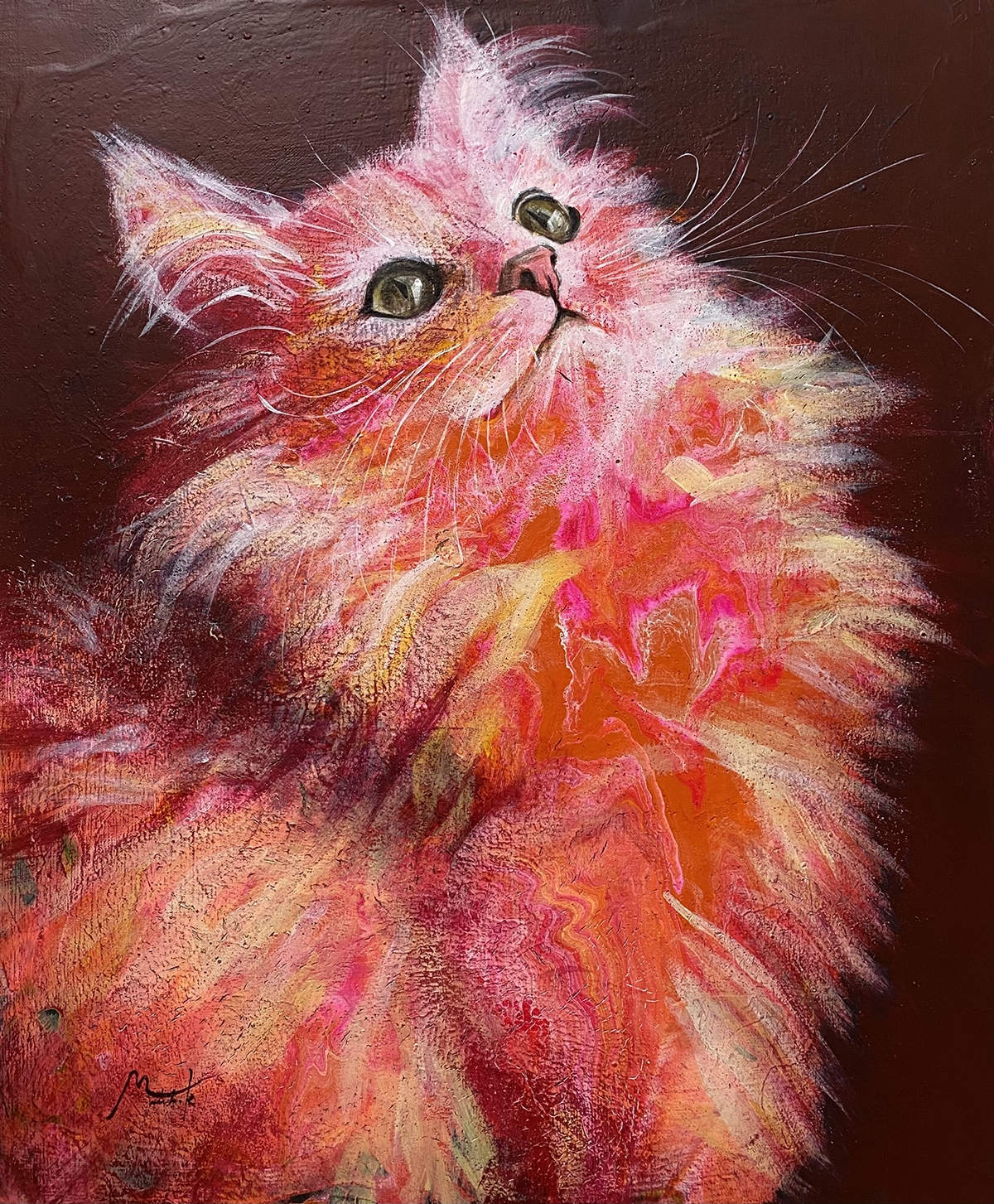
Looking Up at the Cat, Sun
Author: Mutsuko
Size: 606mm × 500mm
Art Materials: Acrylic paint
Year of Production: 2020
About the Work
A single cat quietly raises its head toward the light. Beyond its eyes is the warm sun. Originally a silver model cat. Its coat, layered in pink, orange, and red, is bathed in sunlight, breathing radiant life. May each color of its fluffy fur feel warmth and energy. A look that looks straight up at the sun, as if seeking something. In that image, it is layered with "gazing at the light," "looking forward," and "believing in tomorrow." May the warm light like the sun reach the hearts of those who see it. And when you need a little energy, I hope this cat can gently stay by your side.
So far, we have traced the journey of cats and art.
Tracing cats that have appeared in art from the Edo period to the present reveals how perspectives on cats have changed dramatically over time. From a 'monster cat' to a creature that catches mice, and then to a member of the family.
Nowadays, you can meet cats all over the world just by opening social media. Even so, cats themselves have not changed from the past to the present. What has changed is how we perceive cats and how we have portrayed them.
I wonder what kind of appearance cats will show in art from now on. Since cats are so capricious, they're sure to easily surpass our expectations.