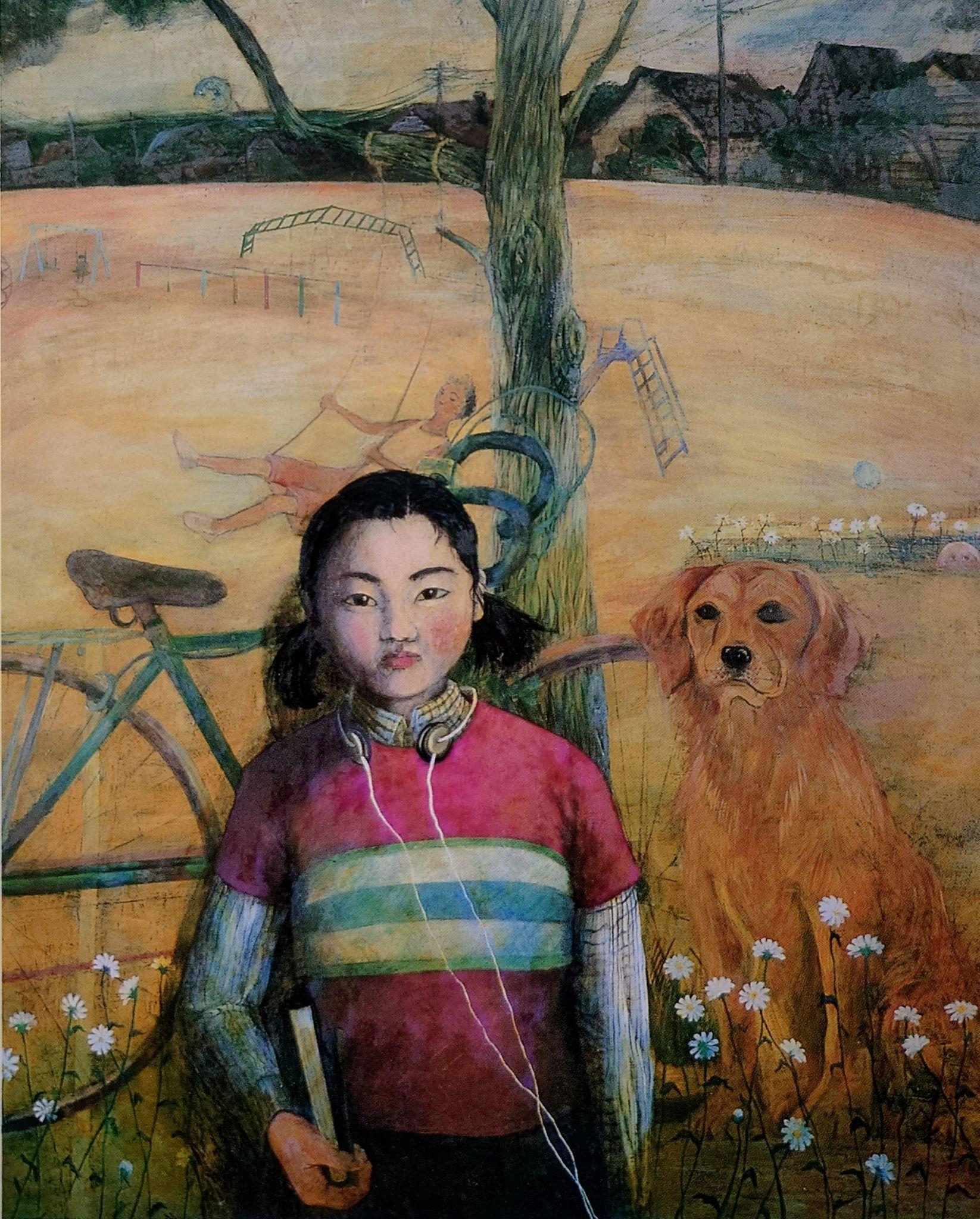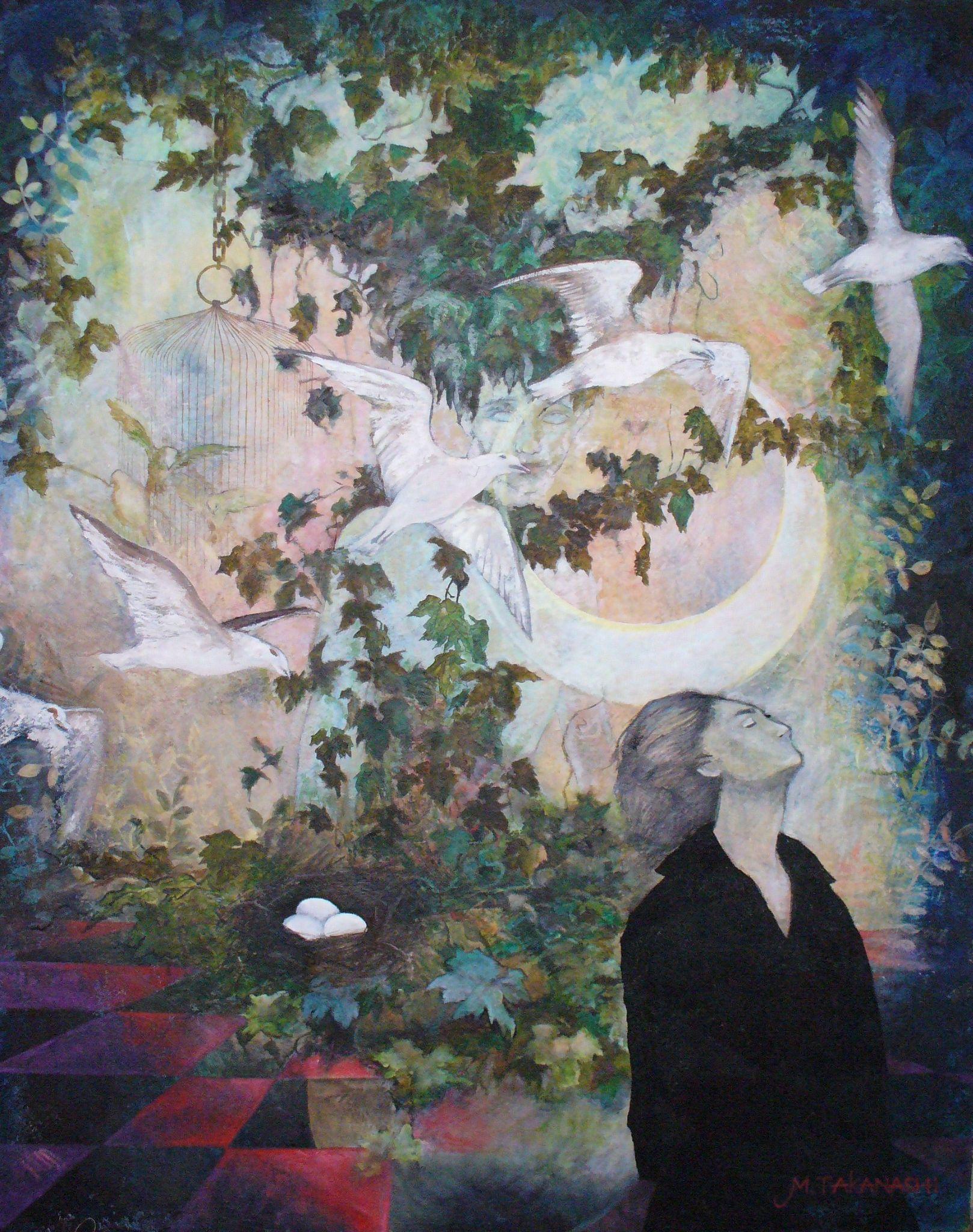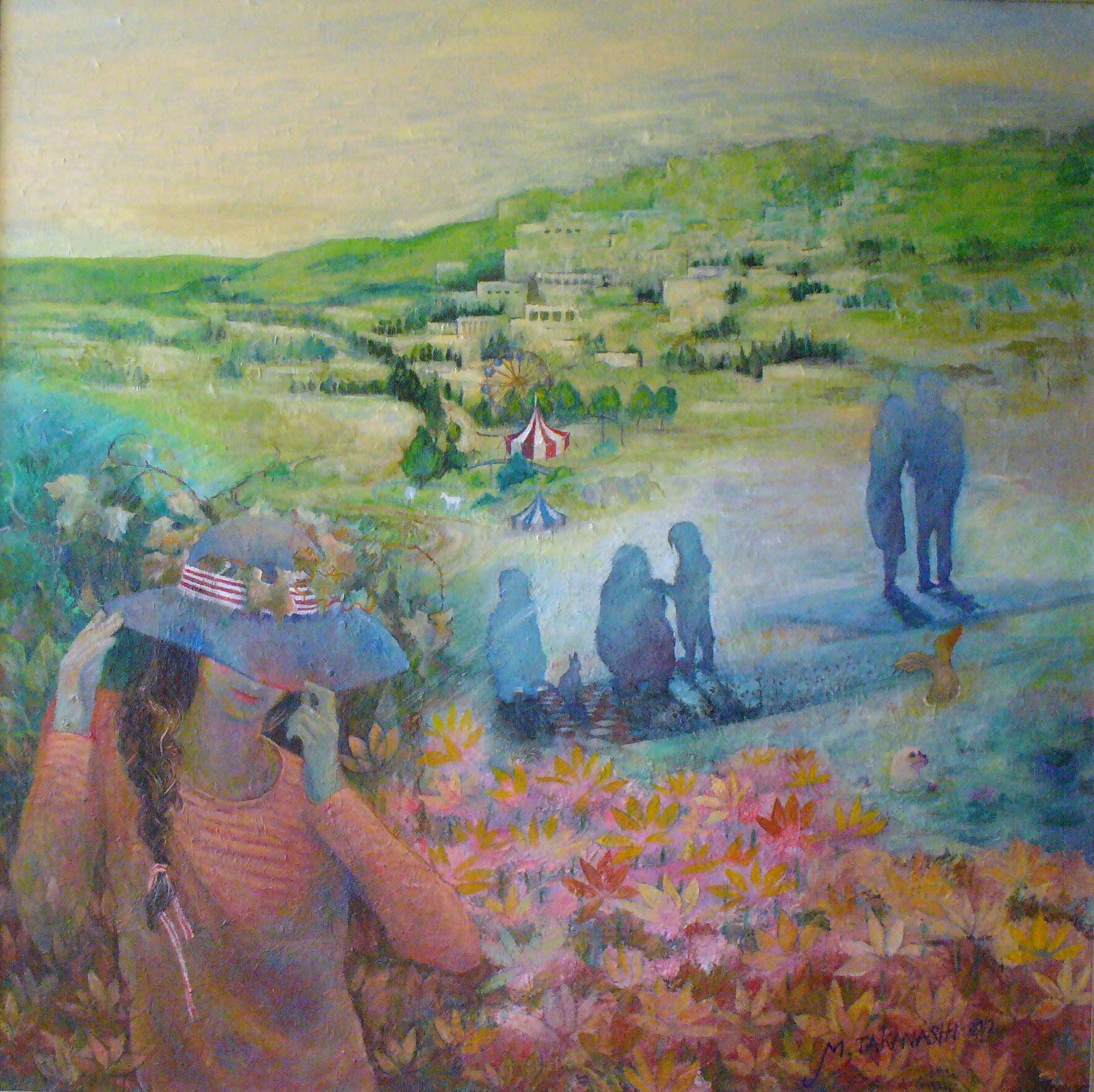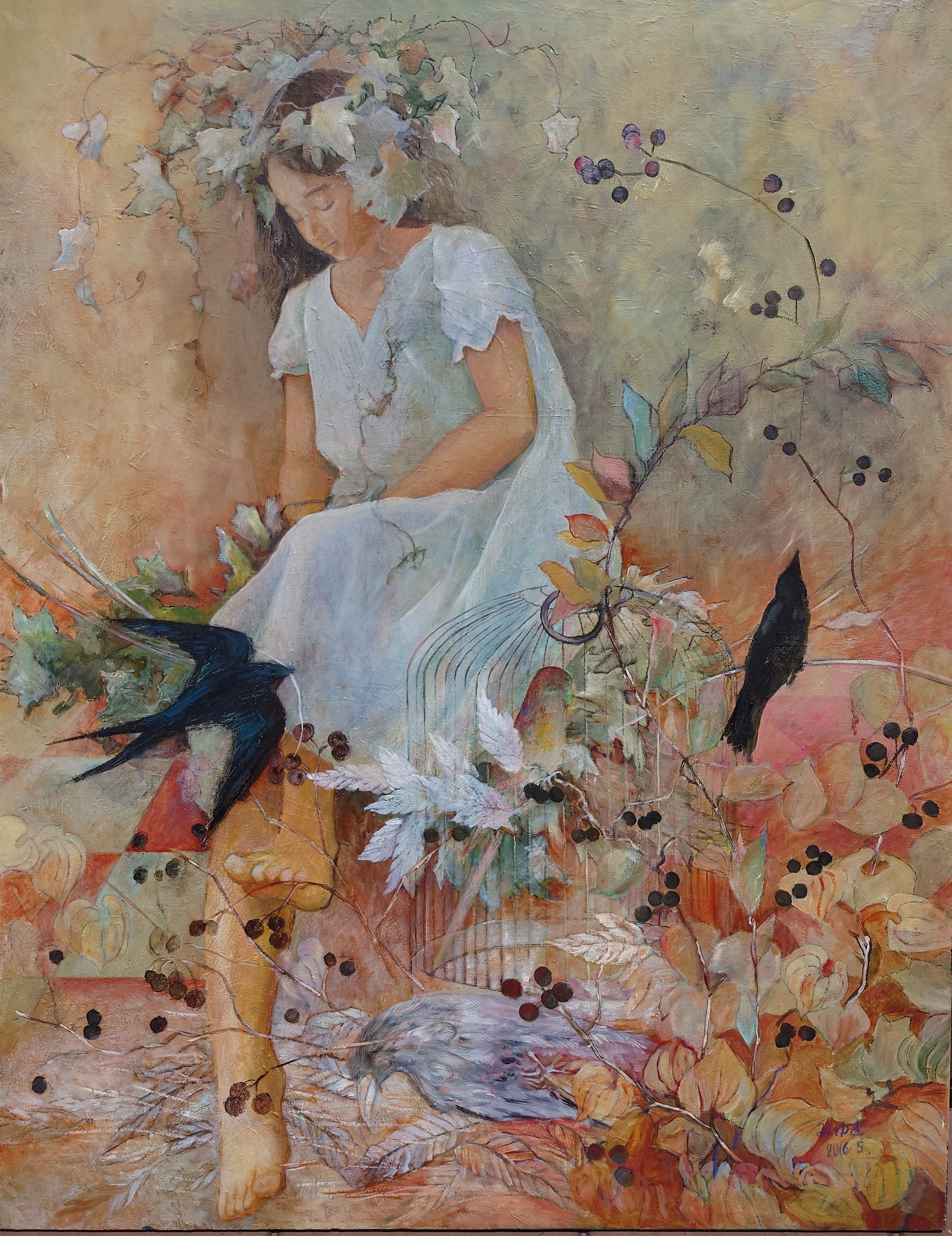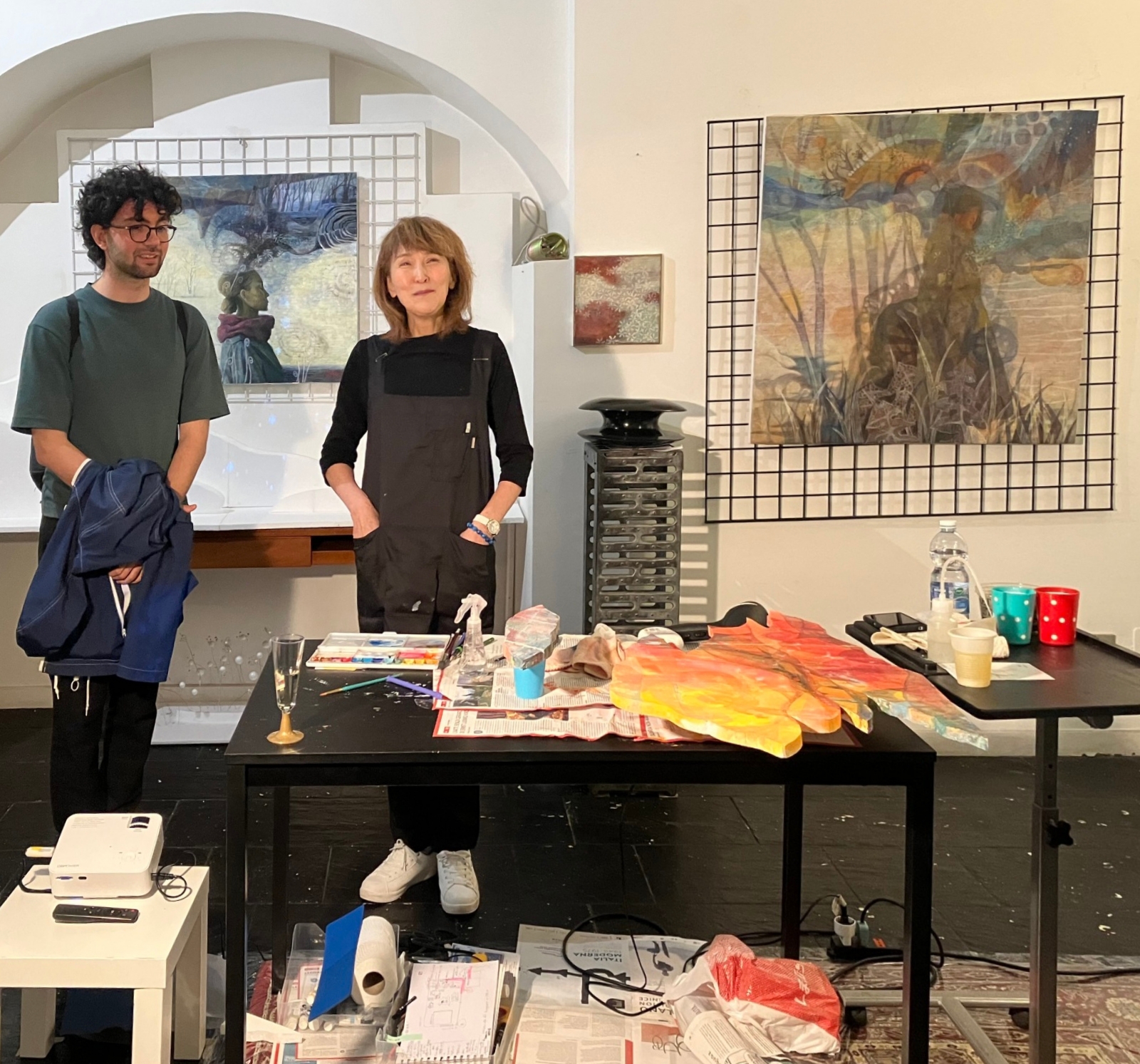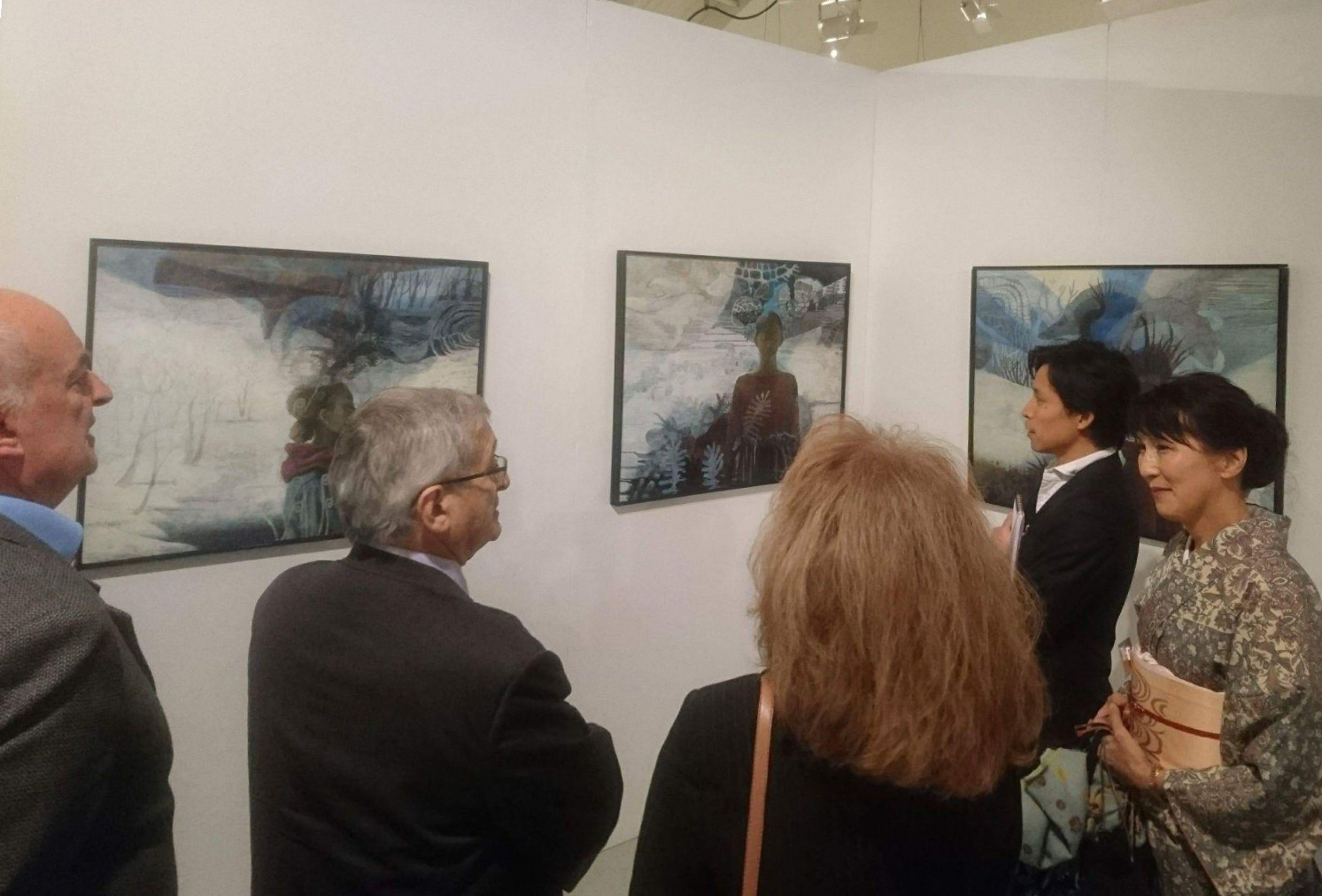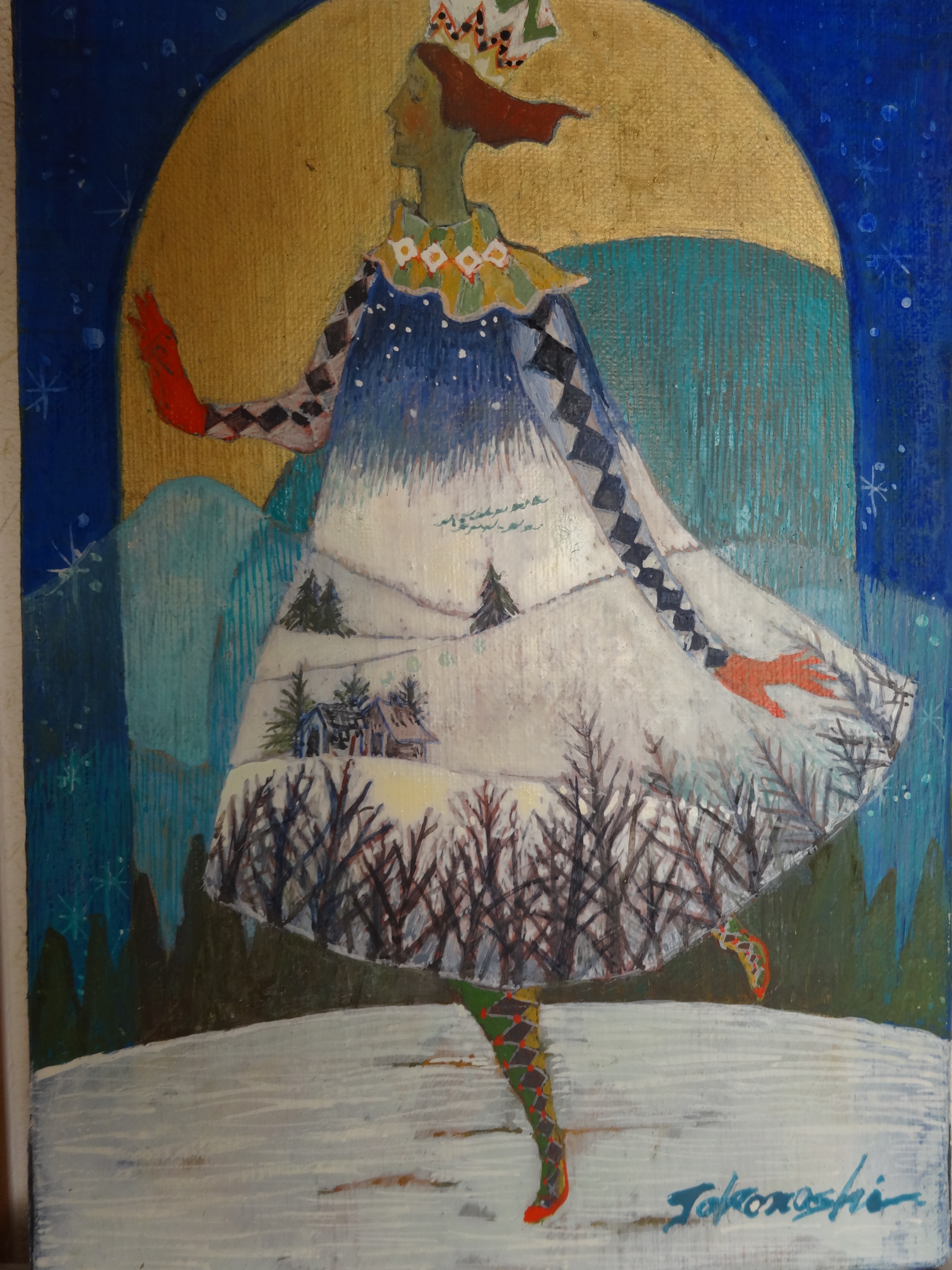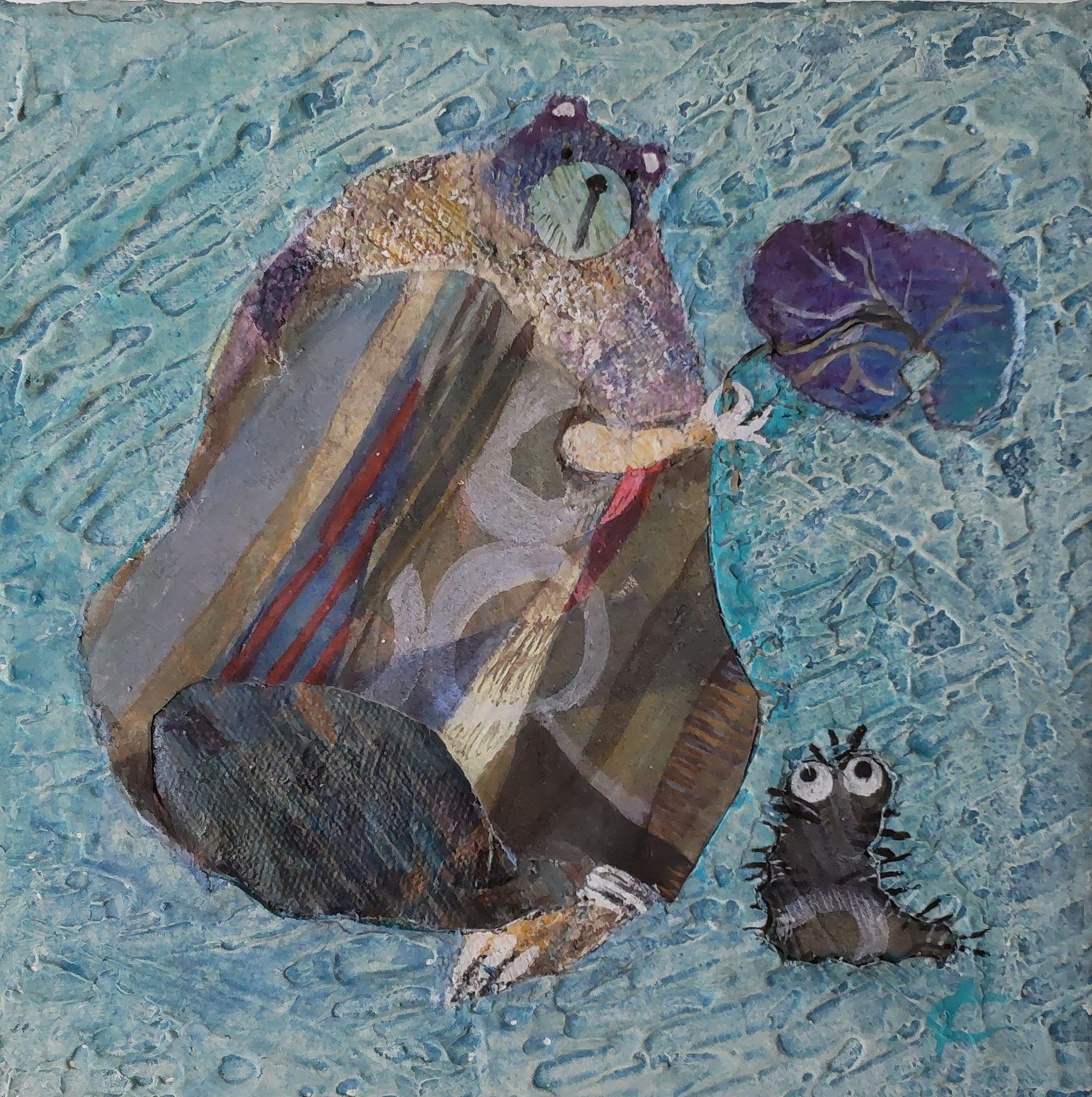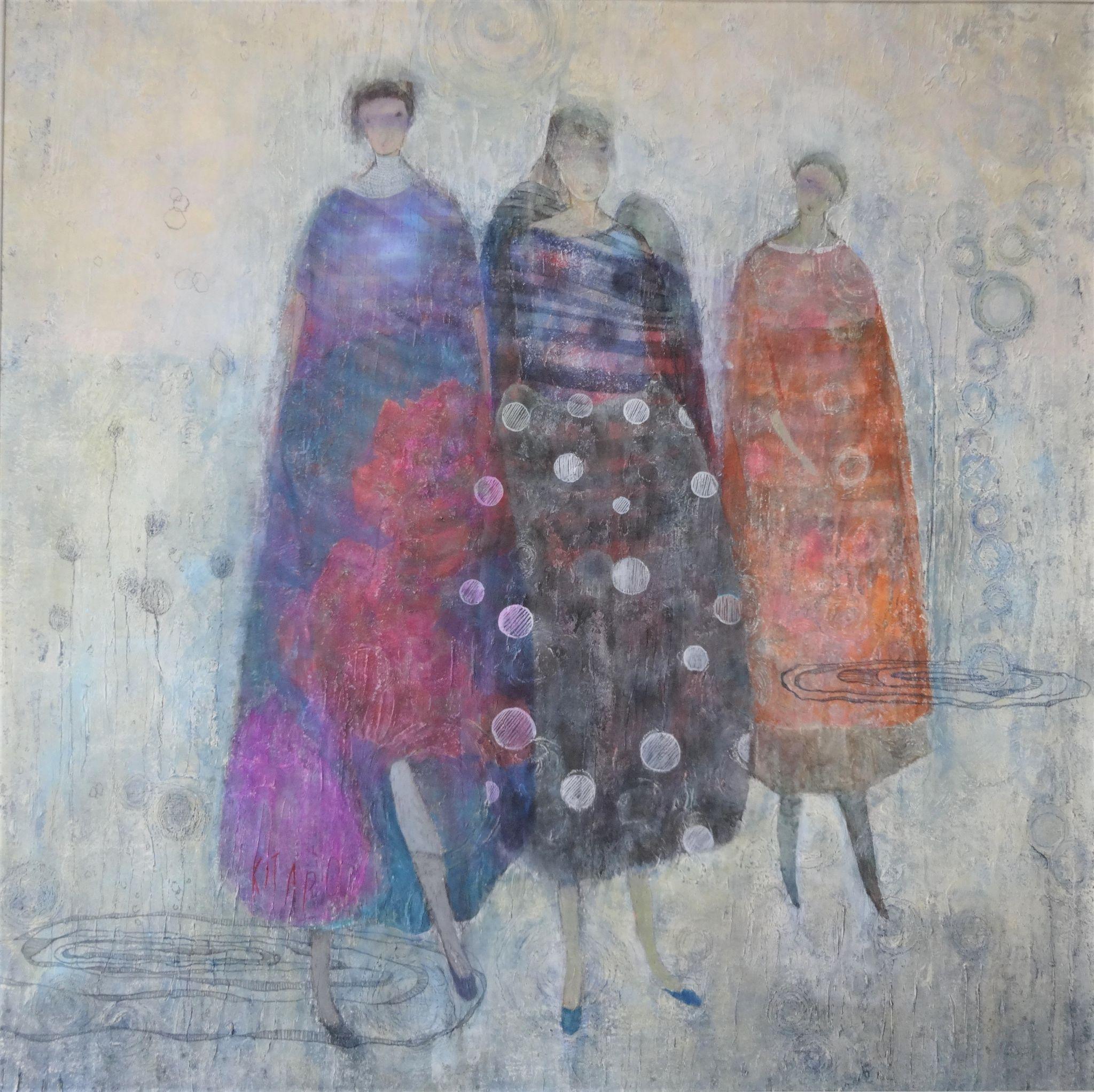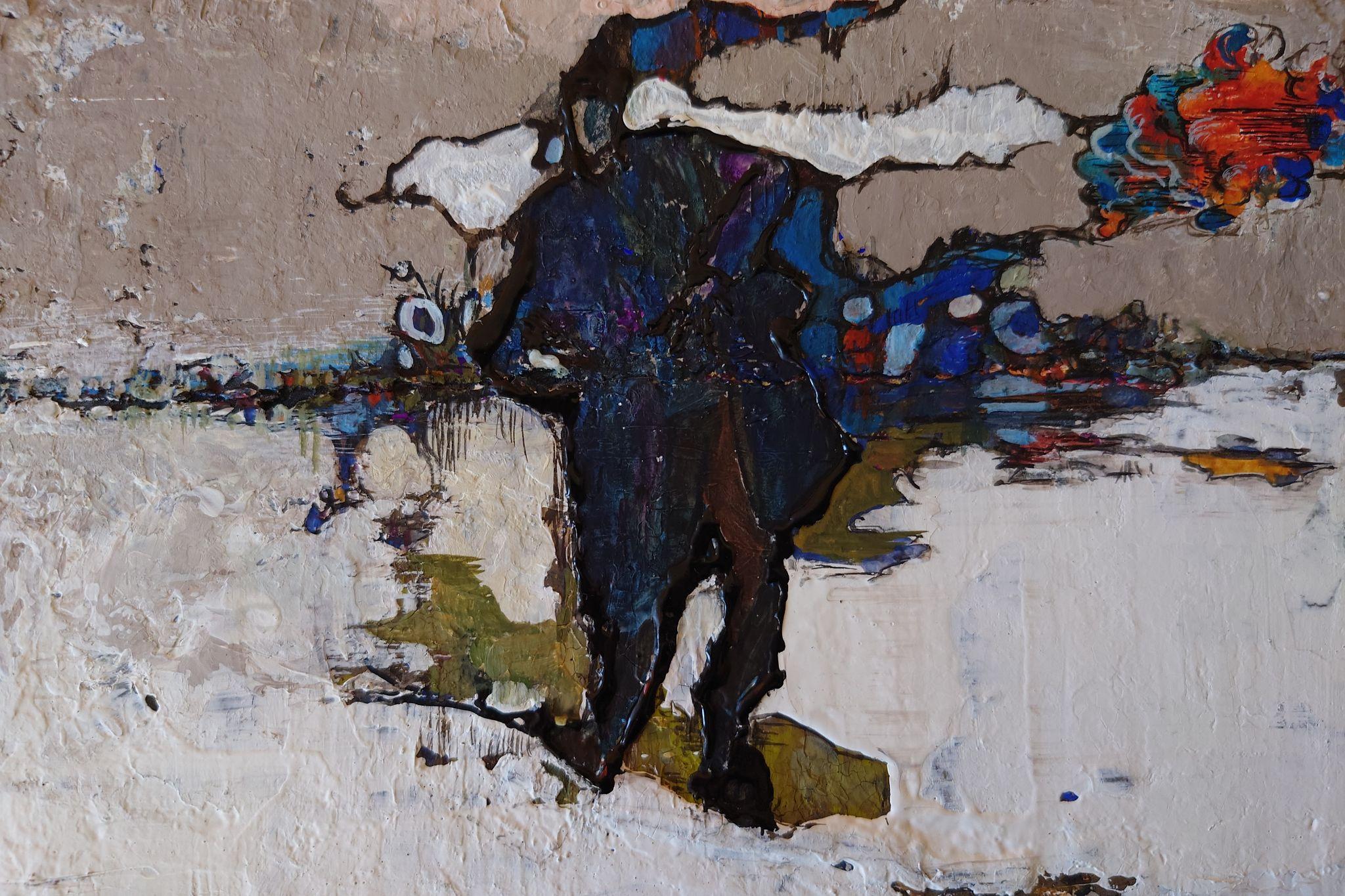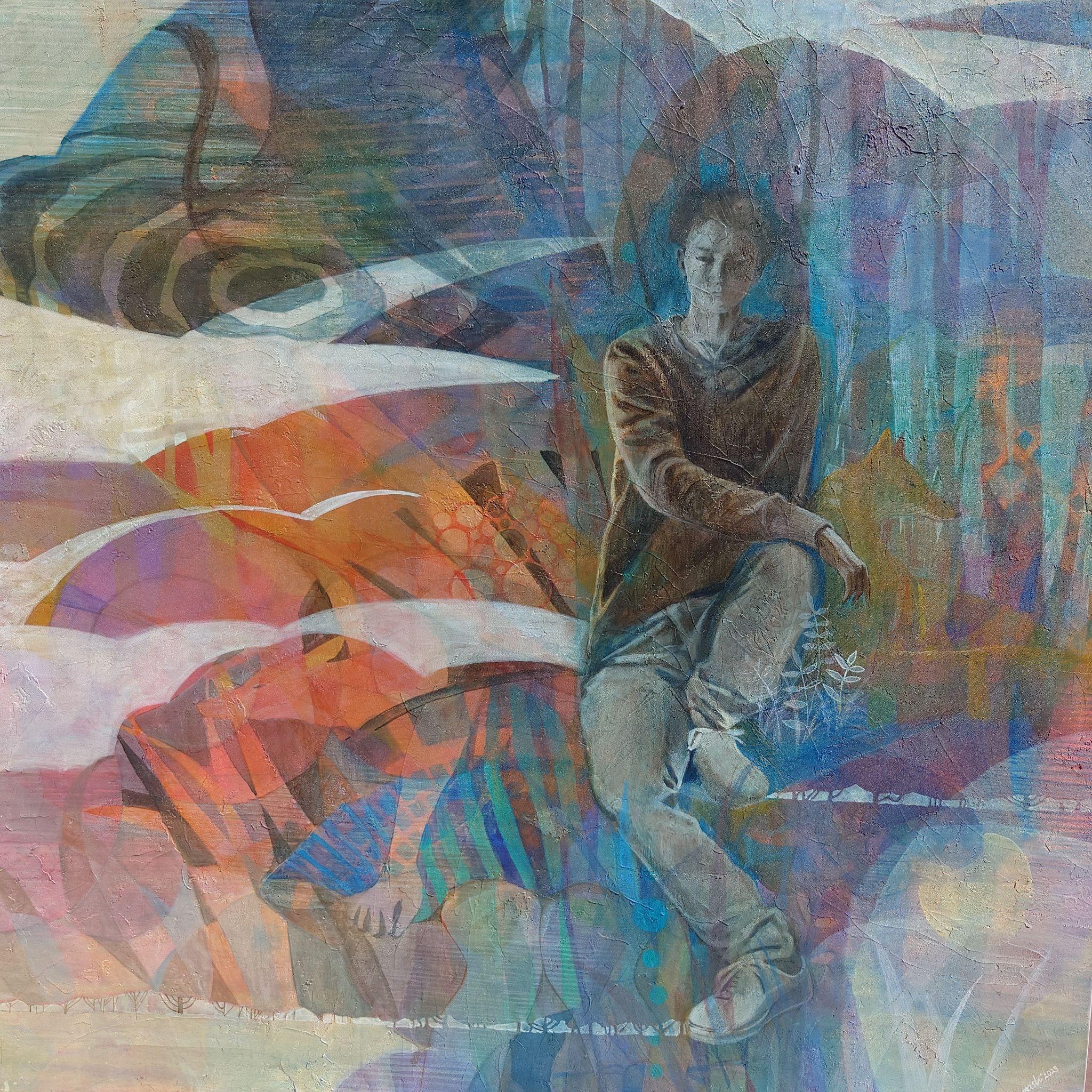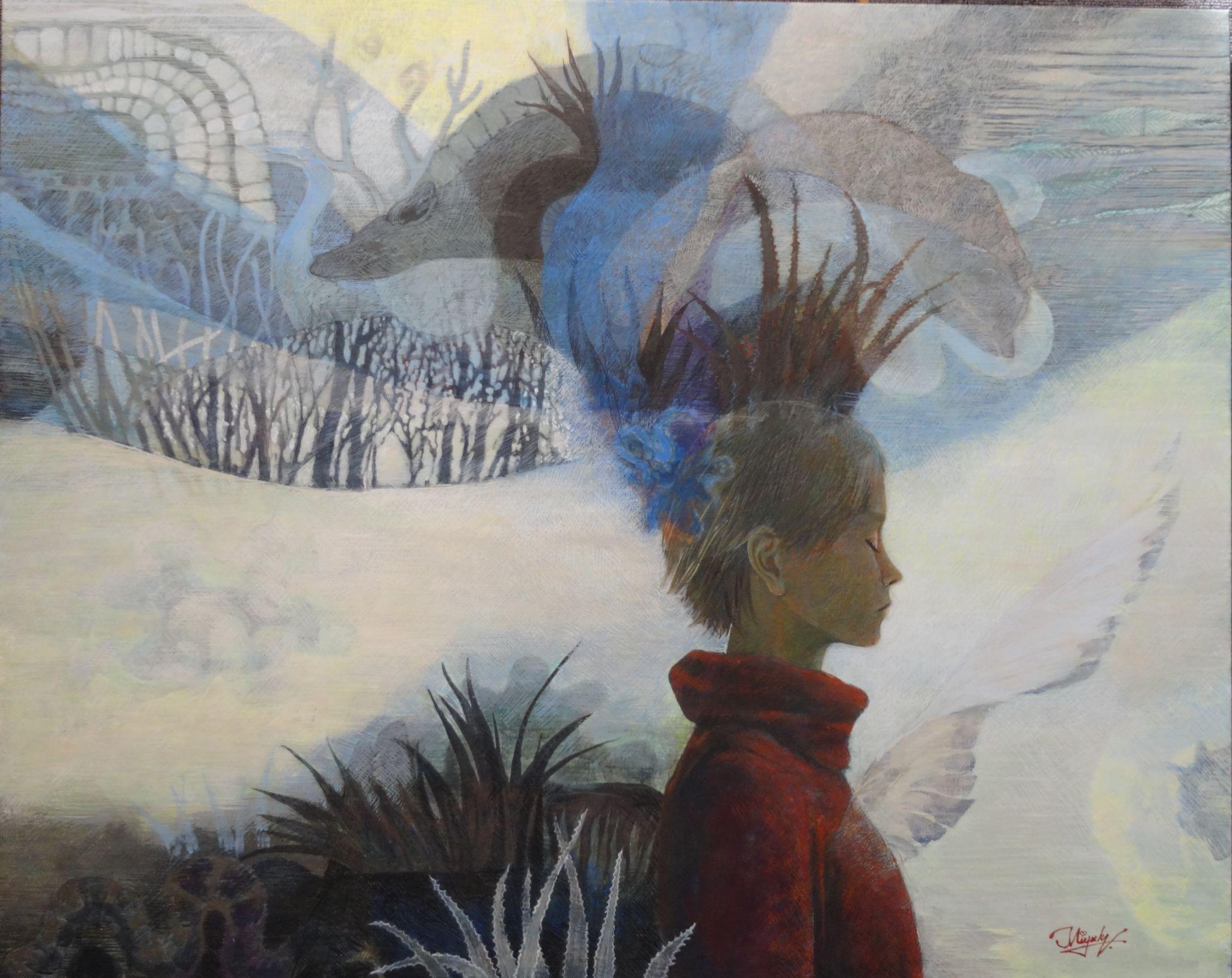
Kita Hao
KITARO
After 30 years as a teacher, he became a painter
Transparent inspiration from Hokkaido's great nature
The content "CLOSE UP" focuses on art topics that are attracting attention both domestically and internationally and introduces their appeal. The theme of this time is the painter "Kita Ao (Miyuki Takanashi)" who gives shape to the transparent inspiration he receives from the great nature of Hokkaido. I have dedicated 30 long years as a teacher and walked with the children. However, the light of that passion did not go out. After her early retirement, what awaited her as she continued to hold the brush recklessly was her high reputation overseas and her encounter with another expression artist who had been sleeping within herself, "Kita Aoi". Why did she choose the wilderness of expression instead of the stable path? We will unravel the trajectory of challenge and conflict hidden behind the transparent colors.
The teacher days that ran through selflessly
"When did you become interested in painting?"
I have loved drawing since I was a child. When I was in elementary school, my teacher asked me to draw a picture for the cover of my graduation collection, and I was very happy because it was the first time that someone evaluated my drawing in this way. I think this event made me even more interested in painting. When I was in junior high school, I think I realized that drawing was my specialty. In high school, I joined the art club and tried my hand at drawing and oil painting.
"After graduating from high school, you went on to Hokkaido University of Education."
I wanted to go to art university, but at that time I didn't have the confidence to live on the path of painting in the future. I don't think I had the power to persuade my parents and teachers. So I went to the University of Education and graduated from the Painting Course of the Department of Fine Arts, Faculty of Education. From there, I worked as a teacher for 30 years, first as a junior high school art teacher, and then at an elementary school for 27 years. The years I spent with children as a teacher were a great experience. Even now, when I think about it, I can only be grateful that every encounter has made me grow as a person. I drew a caricature of all the children who was in charge of the homeroom and gave it to them in March.
"That's amazing, how did the children react?"
He was very happy. When I called the children in turn to draw, the other children also gathered and watched from behind. Some children warned the child who looked into the hand he was drawing, saying, "If you get that close, the teacher won't be able to draw," which was cute. However, when I first transferred from junior high school to elementary school, I was confused. At that time, it was common in junior high school to call students by name, and they treated students like adults to some extent. So, how can I talk to children in the lower grades of elementary school? There were times when I didn't understand and felt that I couldn't communicate somehow.
"Did you draw when you were a teacher?"
Although I was drawing, I was so engrossed in my work as a teacher that I was doing my best to submit it to an open exhibition once a year. As a teacher, I joined an organization that researched art education and other fields, deepening my knowledge and putting it into practice from those fields. I started working as a painter in earnest after 30 years as a teacher and retired early.
Works that Mr. Kita drew when he was a teacher (1)
2002 Selected work for the faculty art exhibition
「STUDIO 2001」160×130㎝
On Oil/Canvas
Works that Mr. Kita drew when he was a teacher (2)
2008 Shindo Exhibition Honorable Mention Award winner
"The Day I Go to the Forest" 160×130cm
On Oil/Canvas
"Please tell us how you decided to become a painter."
In 2010, my father, who had been caring for me, passed away, and the following year the Great East Japan Earthquake occurred. These things made me look back on my life and feel stronger that I want to challenge what I have left undone. Two years later, I could see the milestone of 30 years as a teacher, so I took this opportunity to become a painter... In other words, I decided to try to draw as much as I wanted. After I retired, a person who was a vice-principal when I was a teacher started a business and asked me, "If you quit, would you like to help me?" When I honestly told him what I wanted to paint, he said, "Then it doesn't interfere with painting," so I worked part-time and continued to face painting while volunteering at other museums.
The Appeal of Tempera and Overseas Listings
"When you first started painting in earnest, did you mainly focus on tempera?"
That's right. The person who was in charge of art classes at university was a tempera teacher, and that was the first time I learned about it. At first, I mainly used oil painting, but I was not very good at unique smells, and tempera basically uses water to paint, so I thought it would suit me.
"Tempera is a technique of drawing with eggs, right?"
There are many ways to do it, but I only use the yolk. In addition to eggs, acetic acid (such as table vinegar) is added as a preservative, mixed, and diluted with water. After that, the pigments are mixed to make tempera paint. You can layer it like oil paint, but I found it a little difficult because the color and overall finish change depending on the room temperature and humidity. Also, it is not possible to raise it up or shave it like an oil painting. But there are many things that can be devised, such as using gold leaf, so I think that's why I like Tempera.
"Please tell me about the charm of tempera."
Tempera is a classical technique before the birth of oil paints. Not everyone can easily prepare eggs and pigments as they are now, and considering that there were many religious icon paintings, I think that painting itself was probably a special and sacred thing. I am attracted to such stoic points.
"Are you still making works centered on Tempera?"
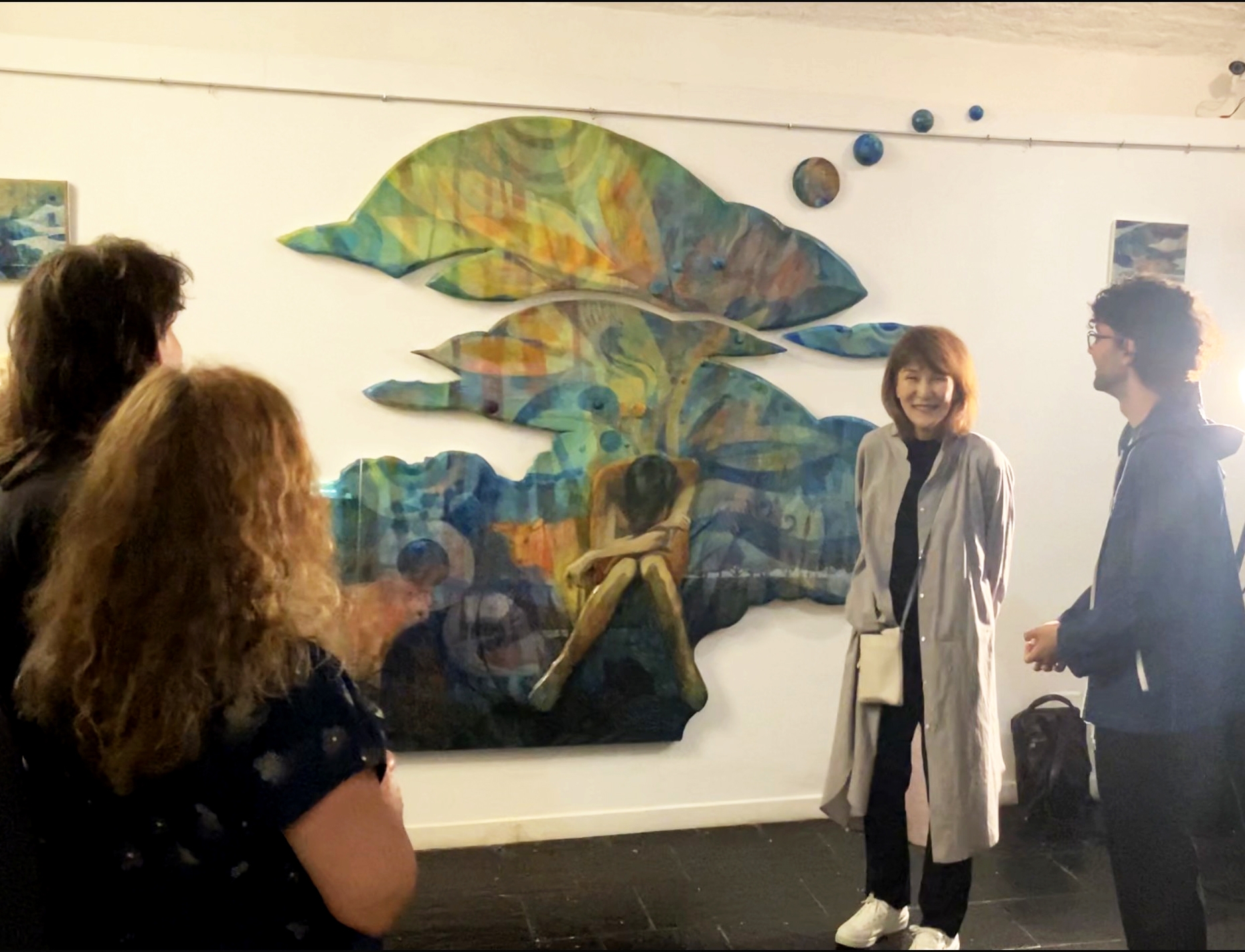
In recent years, there have been more opportunities to exhibit large works overseas, so I have moved away from Tempera. I basically use a tempera to paint large works on canvas and mix them with plaster to create a base, but to transport large works overseas, I have to peel the canvas from the wooden frame and roll it into a roll. If you use plaster, the base will crack, so in order to be able to handle it, I am currently using modeling paste on the base and using watercolor gouache to draw it. I don't feel that it is difficult to draw by switching.
"What made you start selling overseas?"
After retiring, I wanted to expand my range of activities while facing my own paintings. Actually, when I was in high school, I was interested not only in painting but also in studying abroad, but I couldn't take on the challenge, so I decided to exhibit because I wanted to go abroad. When I first submitted my work overseas, I was surprised that people praised me for being talented and that they bought my work, which was completely unknown. I was moved to learn that there is a culture overseas where people buy their favorite works, display them at home, show them to guests, and enjoy them together. Also, if someone says "I don't like my work", someone else will say "I like it". It was also a big harvest to realize that it was okay. It was like that at first, so it seems that I got into the mood.
"Have you ever been surprised by the evaluation from overseas?"
Recently, I had an exhibition at a museum in Chalon=Anne=Champagne, France, and at that time, the curator said, "... I feel the heartlessness of life in the painting. It must be connected to Japanese wabi-sabi...". I didn't think my paintings were Japanese, so I was very surprised that people overseas could sense something like a kind of Japanese value in my paintings.
"When you exhibit overseas, do you go to local exhibitions?"
I try to ask as much as possible. When you go to the site, you can see the state of the exhibition, the atmosphere of the organizers, and what kind of painters they have in the lineup. By actually meeting and talking, communication deepens, and I also feel that each of these things is my fertilizer. As long as you can ask me in the future, I would like to continue to exhibit overseas.
"Kitaaki" born from an encounter with fine art
"Please tell us about the origin of the name 'Kita'."
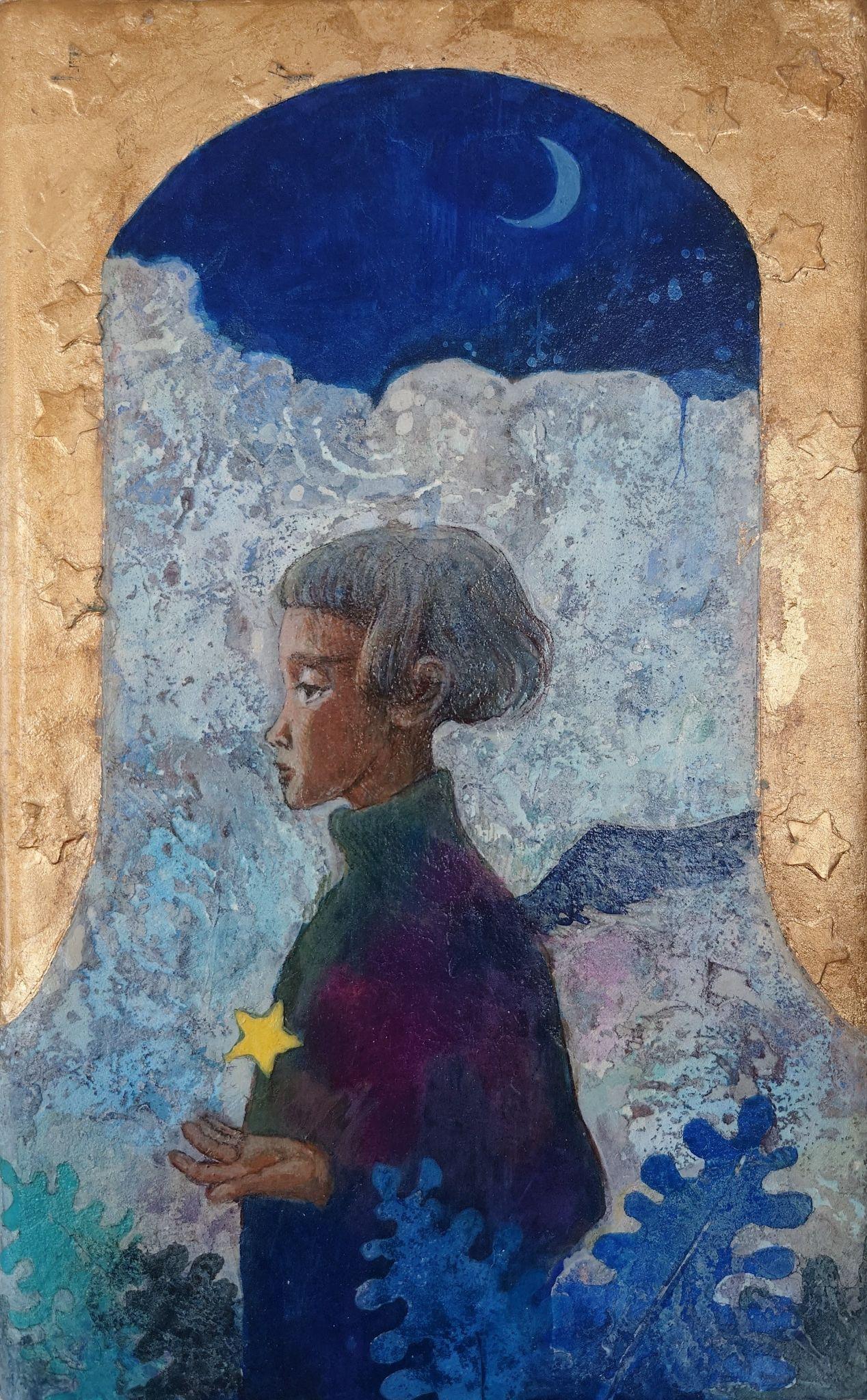
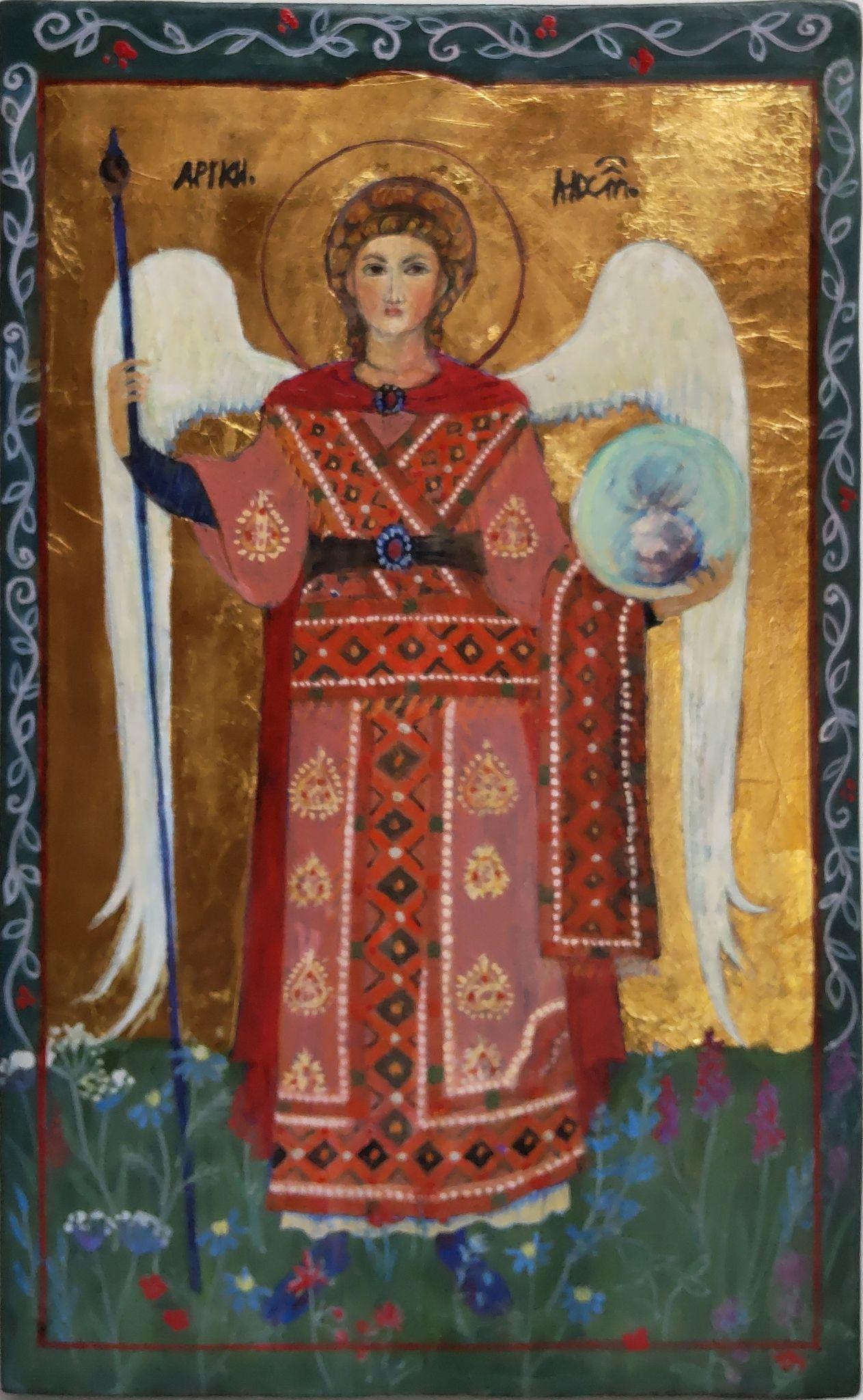
There is a bit of a complicated background to the birth of Kita. At first, as Miyuki Takanashi, she painted her works based on inspiration from the nature of Hokkaido. His work had received praise from overseas, so I was thinking of holding my first solo exhibition in Tokyo in this direction. However, at that time, hesitation begins to arise. At that time, I was relearning tempera and starting to make icons. I enjoyed the original work based on icon production because I was able to incorporate a sense of lightness within myself. There is also an atmosphere close to fine art, and these works have been evaluated in Japan.
In this way, a discrepancy began to arise between works that were evaluated in Japan and works that were evaluated overseas.
After thinking about which direction to go, I decided to seal something close to fine art and stay away from icons. This is because when you are making icons, you will be pulled in the direction of fine art. Looking back now, I think it was the most painful time.
After that, I decided on my main painting style, so I decided to revive expressions that were close to fine art again. Now Kita is an important part of Miyuki Takanashi and a lovable existence.
"When did you start using "Kitakai" and "Miyuki Takanashi" differently? Also, are there any differences in your feelings when making each work?"
It's relatively recent. I wanted to avoid becoming "either" without having a different axis of use within myself, and I was quite worried. But in the end, I was able to make my own painting style as "Kitaaki" after my encounter with fine art, so I think it was a very good experience. Both works do not differ in terms of sensation, but they differ in the way they approach. Miyuki Takanashi's works are created after a certain amount of conception, but Kita does not decide what to draw, but concentrates on creating an interesting screen tone through trial and error, such as painting, pasting, and scraping various things. Continue doing this until you have an image of the drawing, and when you have an image, draw and finish it all at once. It is a job that is only possible in the size of a small piece.
"What is the moment when you come up with the idea for a work?"
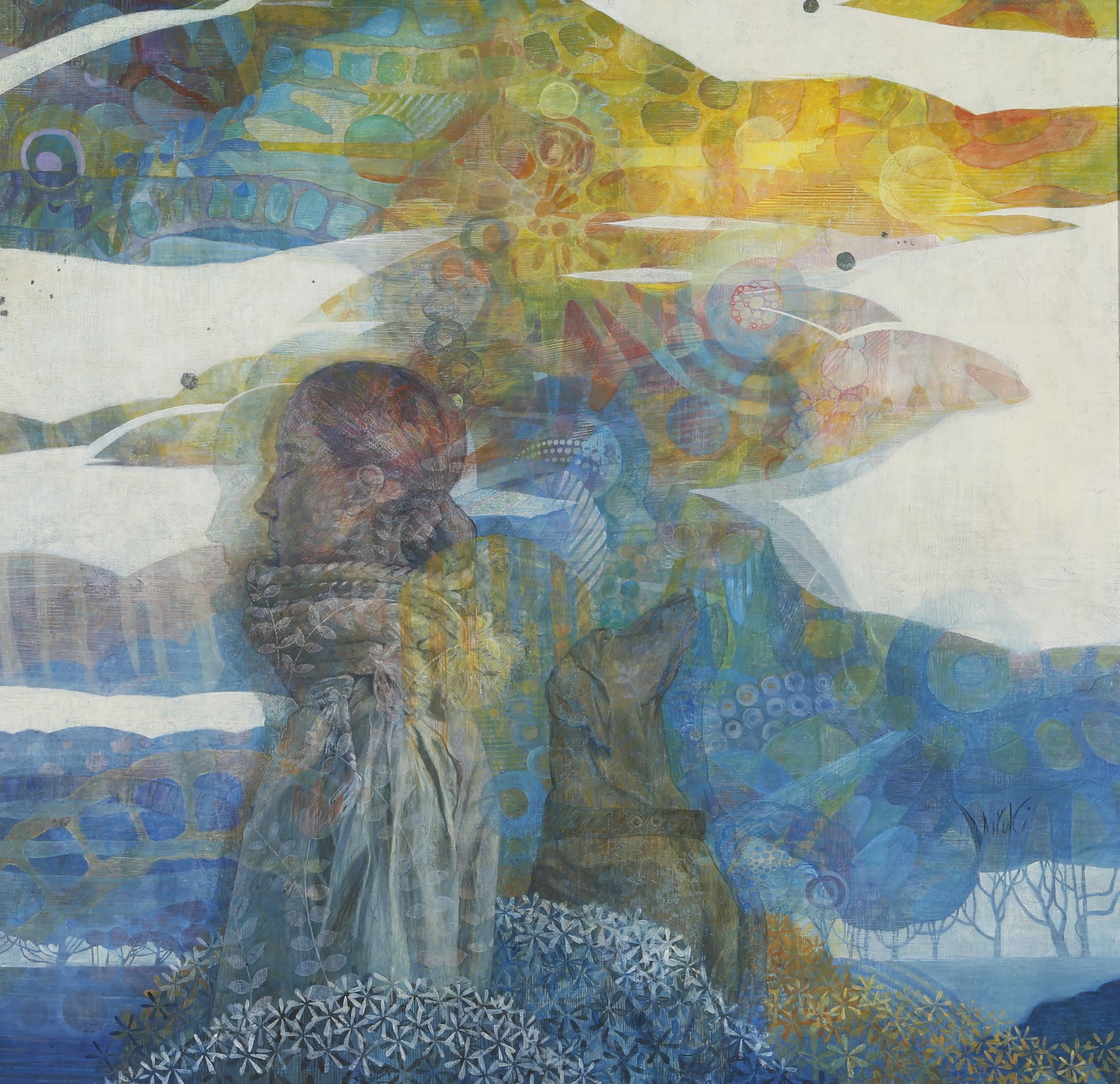
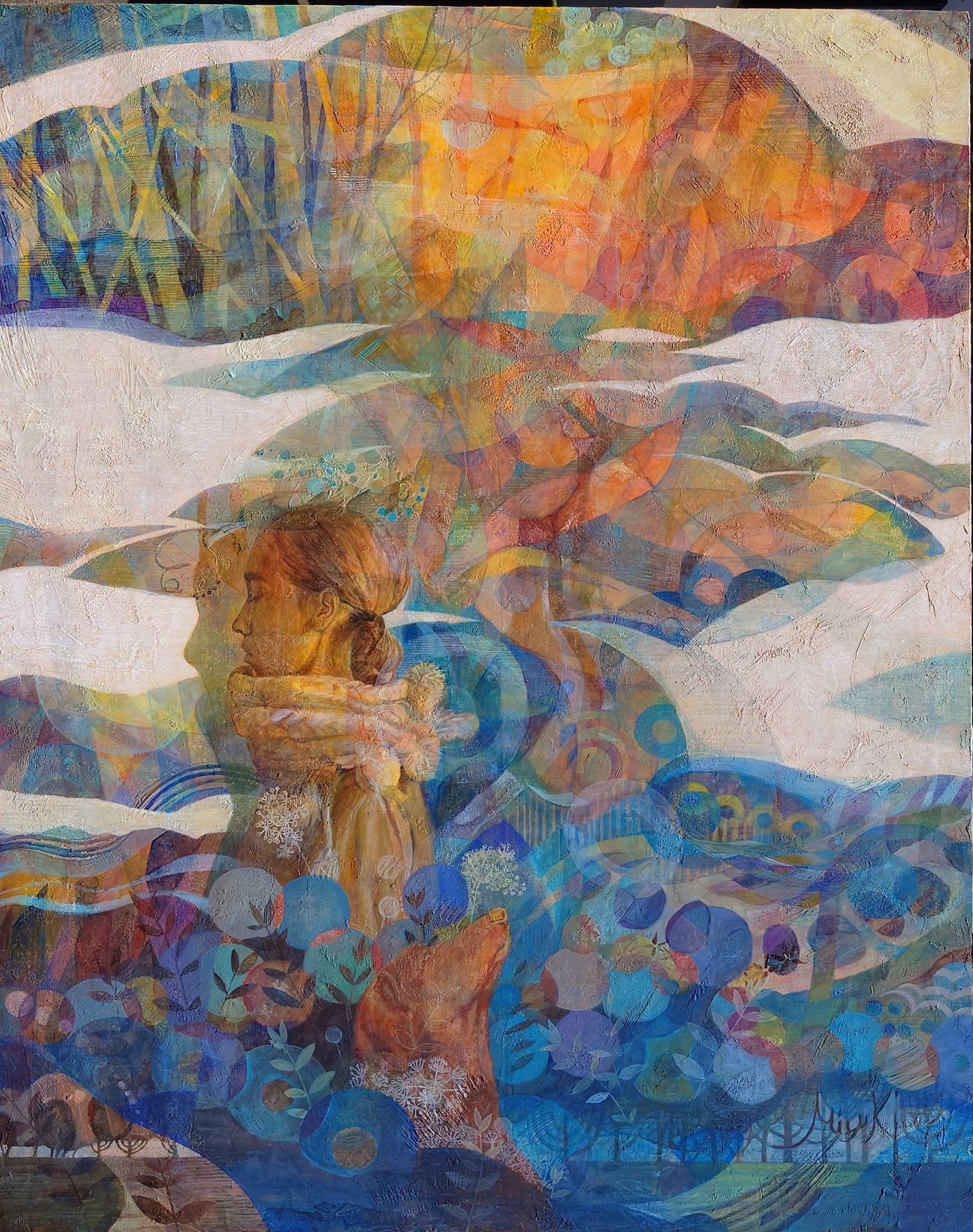
I am often inspired by nature. When you are in contact with the nature around you, you will feel like you are surrounded by the great nature of Hokkaido. That feeling is very important to me, and what I feel is "good" becomes what I want to draw. I used to have a dog that I had lived with for a long time, and it was a daily routine to go for a walk as soon as I woke up in the morning. I left home around 5 a.m., so it was still dark in winter, but as I walked, the sky became brighter, and the sunlight shining through the forest was very beautiful in the clear cold air. I still value time spent in contact with nature, such as mountain climbing, but I often feel the effects of climate change and global warming firsthand. Also, when I see polar bears on the news that the ice in the Arctic Ocean has decreased and they can't catch seals, I feel like I have to do something.
"Do you ever get into a slump while making a work?"
Things can go wrong, but don't let them get you down. Even if it takes time, some kind of solution will come to mind. When you think you've finally found a solution, you're always waiting for the next stumble. I've been drawing pictures until now, and I'm repeating it. Problems that cannot be solved in one picture will always stumble over the same thing again in the next picture. Clumsily one by one. When you can solve it, the world will suddenly brighten. When I get tired of drawing, I try to consciously go into nature. Receiving the power of nature is also a good change of pace.
"Please tell us about your future goals."
Until now, I have been painting for myself, but from now on, I have a strong desire to do something that benefits society through my work. As part of this, we have recently donated a portion of the sales of our works to protect nature and animals. It's something I've been thinking about for a long time, but I've finally been able to make it happen. Although it is a small effort, I would like to continue to do what I can do from a familiar place in the future.
"Finally, please give a message to our readers."
I love the nature of Hokkaido, especially the scenery in winter. I create works by weaving memories of spending time with my dog and childhood in the transparent air, so I would be happy if you could sympathize with such casual everyday life and the beauty of nature. In addition, the world situation has become unstable recently, and we often see absurd news. In such a situation, there are times when I feel like I can draw something like a beautiful memory. The current challenge is not to look away from what is happening in reality, but to accept it and express it in my own way. I would be happy if you were interested in my future activities.
A group of works by Kita (Miyuki Takanashi) that makes you feel the clear air of Hokkaido. The world woven by memories of my teaching days and my love for nature gives the viewer a quiet courage in their hearts.
The next issue is "Nihonbashi Art Publishing Artist Special - Sachie Yamane -". Please look forward to it.