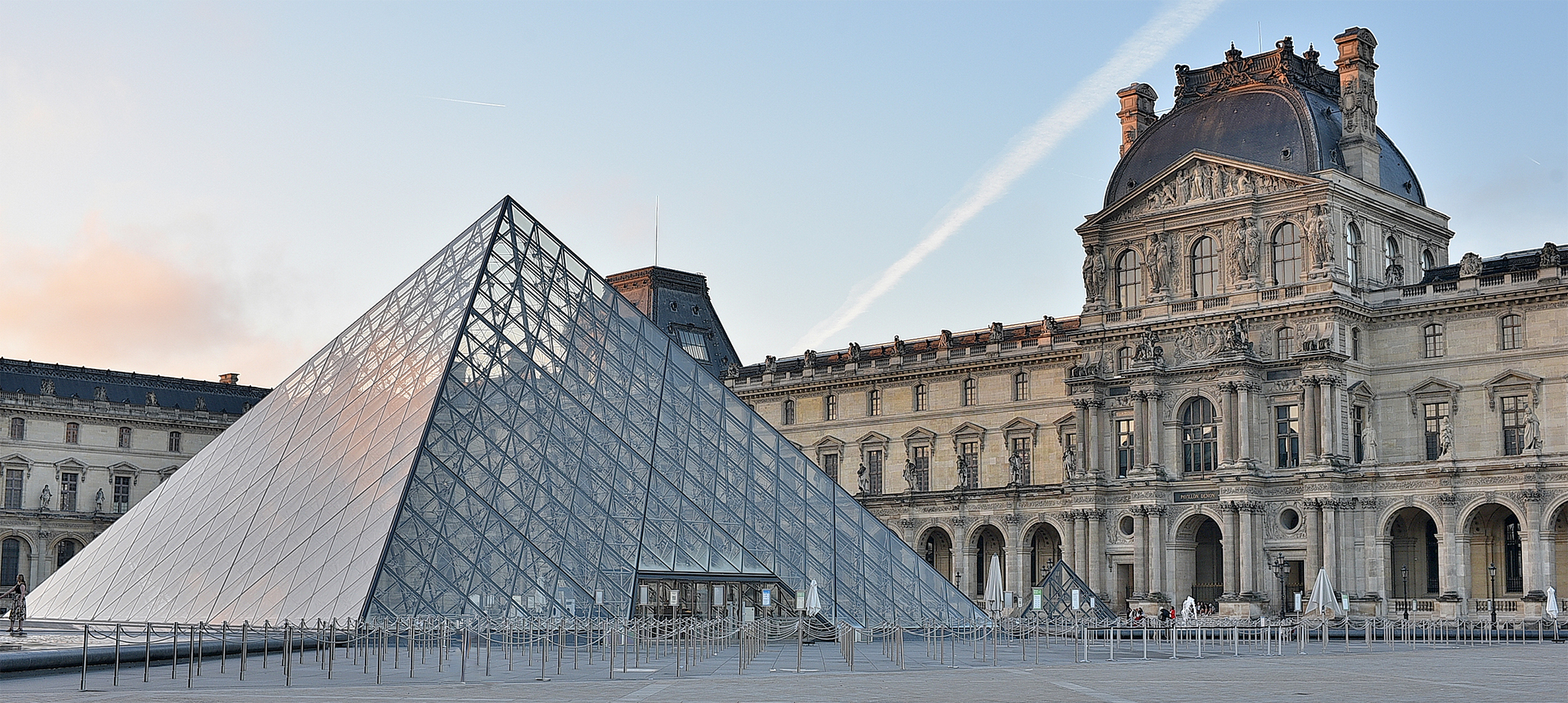
From a war-torn fortress to the world's best museum
The Louvre, the story of 900 years

The unknown bond between the palace where the Mona Lisa rests and Japan

The content "CLOSE UP" focuses on art topics that are attracting attention both domestically and internationally and introduces their appeal. The theme of this time is the Louvre, the world's highest art museum in Paris, France. How did the world's most beloved museum, which is visited by about 10 million people a year, come about? As we trace the nearly 900-year transition from a 12th-century fortress to a modern temple of art, we will delve into the multi-layered charm of the Louvre.

From Fortress to Palace to People's Museum - The Louvre 900 Years of Transition

The Louvre, which we now know as a "museum", is a building that has its origins in a 12th-century military fortress. The citadel built by King Philip II of France on the right bank of the Seine River in 1190 to defend Paris is the beginning of the Louvre. The fortress, with its circular towers and thick walls, was built by kings during the Crusades to protect Paris, and the medieval foundations are still preserved in the basement of the museum.

During the Renaissance, to the palace of the king who loved art

Converted into a residence by Charles V in the 14th century, the Louvre was later transformed from a military facility into a symbolic building of the king's authority, and it was during the 16th century Renaissance that it was connected to the art in its current form. In 1546, King François I demolished the old fortress and ordered the architect Pierre Lescaut to renovate it into a magnificent palace in the Italian style. This renovation is the basis of the current Louvre, and the building, built by Pierre Lescaut, is later regarded as a masterpiece of Renaissance architecture.

It is also said that François I, who was also known as the patron of the arts, invited Leonardo da Vinci to France in his later years. Da Vinci crossed the Alps with the "Mona Lisa" and visited François I. It is said that he met his end in the French royal palace, and it is said that it was at this time that the "Mona Lisa" became the collection of the French royal family. Henry II, Charles IX, Henry IV, and successive kings continued to expand the Louvre and collect art, and the Louvre as a palace became a cultural symbol of French royal power.

Leonardo da Vinci

From a symbol of absolute monarchy to an abandoned palace

In the 17th century, the Louvre reached its peak during the reign of Louis XIV, the "Sun King". The Louvre had a more luxurious and majestic appearance with the addition of a magnificent Baroque style, but in 1682, Louis XIV suddenly announced that he would abandon the Louvre and move to Versailles. It is believed that the reasons were distrust of Parisians, the realization of a controlled court, and the ambition to create a new palace that would embody absolute power.

The Louvre, having lost its master, began to be used as an artist's atelier and a repository for the royal collection, but ironically, this "abandonment" was the first step in transforming the Louvre into a museum. Furthermore, in the 18th century, with the rise of Enlightenment ideas, the voice that "art is not the exclusive property of the royal family, but a cultural asset that should be enjoyed by citizens" became stronger, and after the fall of the monarchy in the French Revolution of 1789, the revolutionary government opened the old royal palace to the public as the "Central Art Museum" on August 10, 1793. This is the official birth of the Louvre.

From the fortress to the royal palace to the civic museum – the Louvre's 900-year history embodies the very idea of modern society: from a symbol of power to a common property of culture.

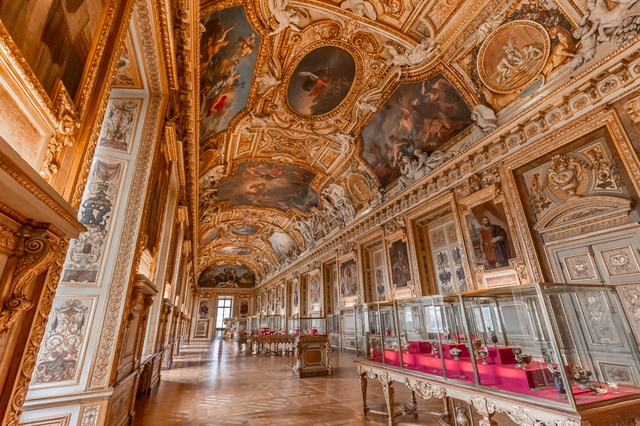
Inside the Louvre Museum

The Unknown Relationship between the Louvre Museum and Japan

Did you know that there is a surprisingly deep connection between the Louvre, which reigns as the world's finest museum, and Japan, which is far away? For example, immediately after the Great East Japan Earthquake in 2011, the Louvre Museum held a special exhibition in Sendai, Fukushima, and Morioka with its collection to support the museums in the affected Tohoku region. The exhibition, titled "Messages from the Louvre: Encounters," is a testament to humanitarian solidarity that goes beyond mere cultural exchange, bringing hope through art to those hurt by the earthquake. Here are some other things that show the relationship between Japan and the Louvre.

The Louvre's only sister building in Mie Prefecture

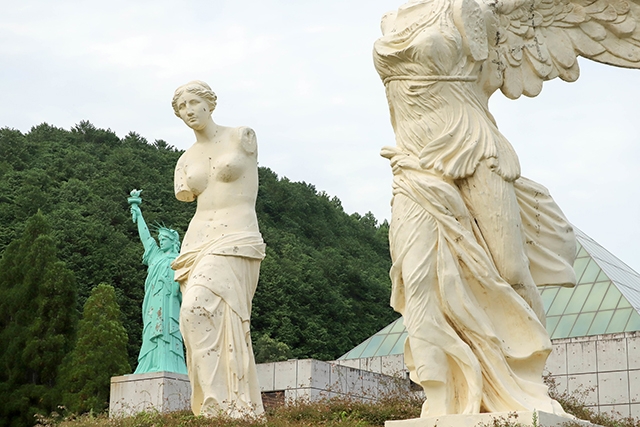
In Tsu City, Mie Prefecture, Japan, there is only one sister museum in the world officially recognized by the Louvre Museum. This is the Louvre Sculpture Museum, which opened in 1987. Approximately 1,300 replicas of sculptures created with the permission of the Louvre Museum are on display, and a group of works from ancient Greek and Roman sculptures to Renaissance and Baroque masterpieces are reproduced using the same materials and techniques as the real thing. The Louvre's recognition as a sister museum is said to have been due to its high technical skills in replica production and its sincere attitude towards art education.

Natsume Soseki saw the Louvre of the Meiji era

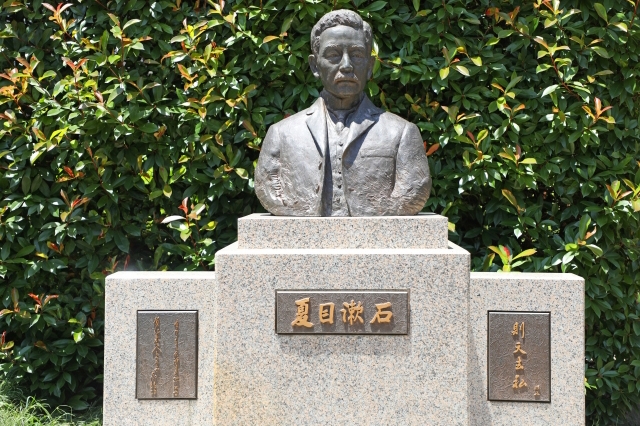
It is said that Natsume Soseki, a master of modern Japanese literature, visited the Louvre Museum during his stay in Paris in 1907. Soseki, who was studying in London at the behest of the Ministry of Education, stopped in Paris before returning to Japan, where he was exposed to full-fledged Western art for the first time. The vast collection he saw at the Louvre had a deep impact on him, and in his masterpiece "Sanshiro," which he wrote after returning to Japan, the painter Haraguchi is depicted as an artist who is struggling with Western art, and it is said that the cultural gap and longing that Soseki himself felt at the Louvre is projected.

Natsume Soseki

The Louvre, which recognized manga as the "ninth art", participated by Hirohiko Araki from Japan

In 2009, the Louvre officially recognized manga as the "ninth art" and launched the Louvre BD Project, a special exhibition featuring world-renowned cartoonists. From Japan, Hirohiko Araki, the author of "JoJo's Bizarre Adventure", was the first to be approached. Mr. Araki's meticulous drawing technique and unique stylistic beauty inspired by Western art are said to have suited the Louvre's aesthetic sense, and Mr. Araki drew "Rohan Kishibe: Going to the Louvre" for the project, which was exhibited at the Louvre in 2010 at the Louvre. The recognition of manga artistry by the world's top museums was an event that symbolized Japan's status as a world-class culture.

In the spring of 2026, the Louvre Museum Exhibition will be held in Japan

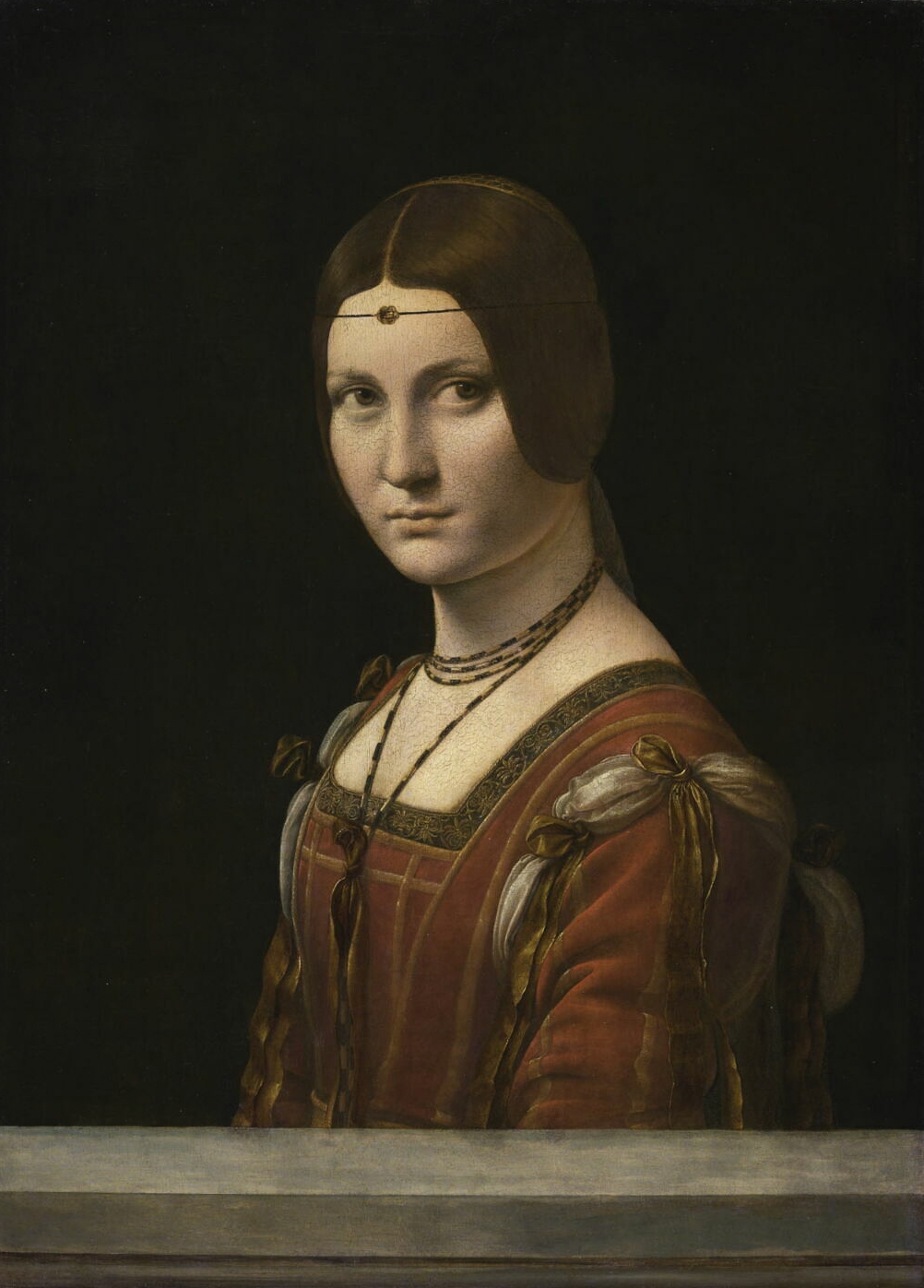
In the spring of 2026, a large-scale "Louvre Museum Exhibition" will be held in Japan. The highlight of this exhibition is the first visit to Japan by Leonardo da Vinci's "Beautiful Feronière". This work, also known as the "Portrait of a Lady of Milan", is a masterpiece painted by Da Vinci in the 1490s. The soft shading of the Sfumato technique and the intelligent gaze of the model will be a valuable opportunity to appreciate the impressive masterpiece in Japan, so I would like you to take this opportunity to see it.

Beautiful Feronière

2026 marks the milestone year of "35 years of World Heritage registration"

2026 marks the 35th anniversary of the registration of the Seine River in Paris, including the Louvre Museum, as a UNESCO World Heritage Site. Since its registration in 1991, the Louvre has maintained its World Heritage status, not as a standalone structure, but as part of the historical landscape of Paris along the Seine. But why was the Louvre registered not alone, but as a whole bank?
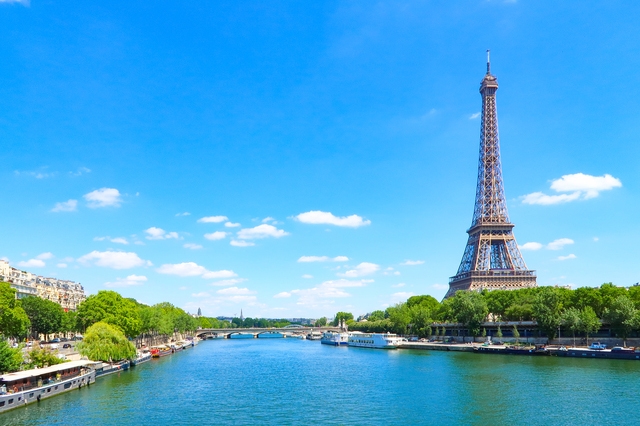
The reason for this is deeply related to the origin of the city of Paris. The Seine River is the birthplace of Paris, and cities have developed around the river. Historic buildings such as the Louvre, Notre-Dame Cathedral, the Musée d'Orsay and the Eiffel Tower are all scattered along the Seine, forming a single cultural landscape connected by the river.

Seine River

UNESCO has rated the entire landscape of these structures as "a remarkable example of the urban development of Paris from the Middle Ages to the 20th century", so the registration covers approximately 8 kilometers from the Schully Bridge to the Jena Bridge, encapsulating the essence of Parisian history and culture.

10 masterpieces to see at the Louvre

Here are 11 carefully selected masterpieces from the Louvre's vast collection that you can't miss. Starting with the "Mona Lisa," "Venus de Milo," and "Nike of Samothrace," which are known as the "Three Treasures of the Louvre," we will explain a number of masterpieces that shine in Western art history along with their charms.

1. Mona Lisa (Three Great Treasures) (Three Beauties of the Louvre)

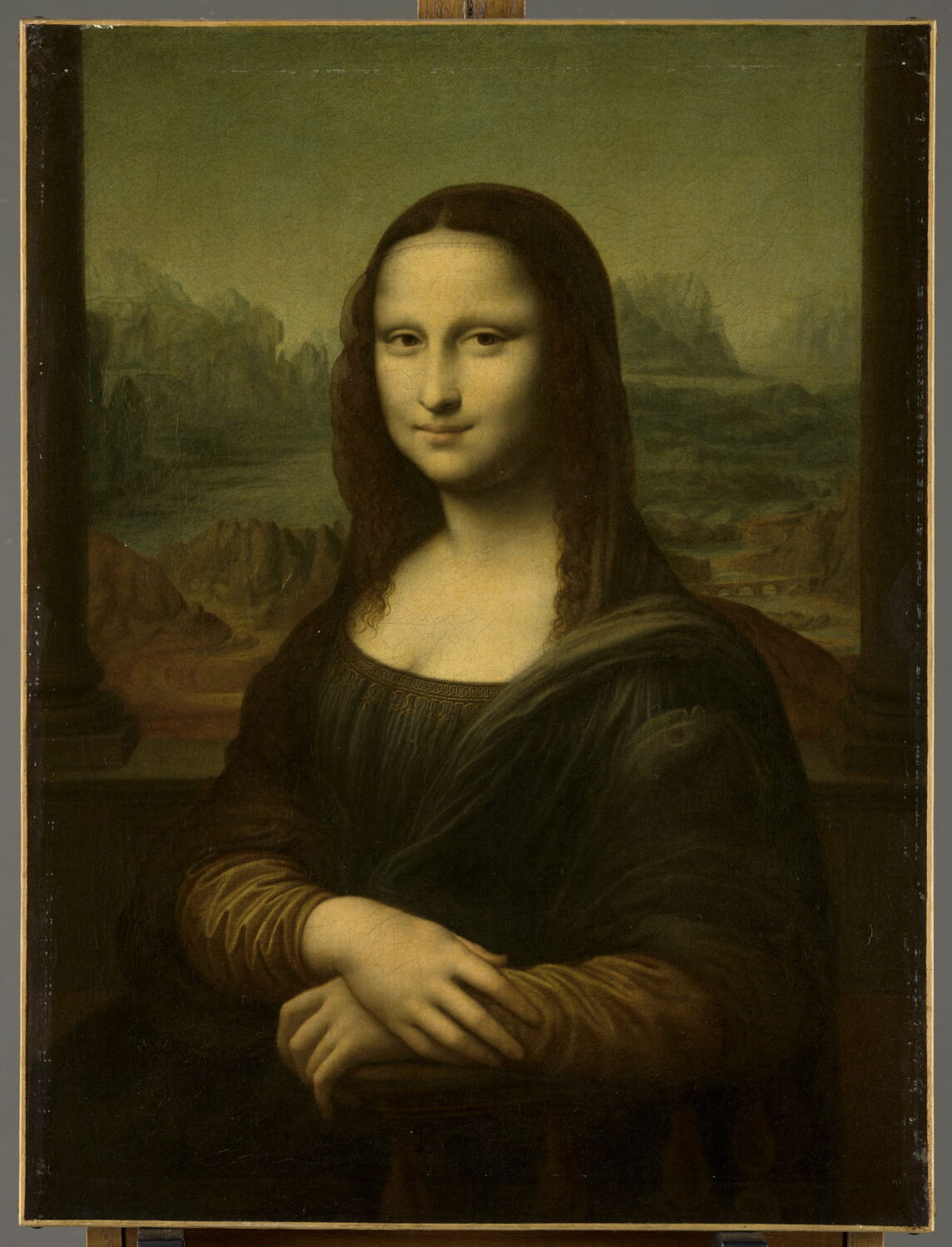
Leonardo da Vinci's Mona Lisa, created around 1503 to 1519, is arguably the most famous painting in the world. The enigmatic smile depicted on a plate measuring 77 cm in height × 53 cm in width has been fascinating people for over 500 years with its soft contours and fantastic background using the Sufumato technique. By the way, the "Mona Lisa" was stolen in 1911 and disappeared for two years, and it is said that its popularity exploded when it was reported by the media around the world every day.

2. Venus de Milo (Three Great Treasures) (The Three Beauties of the Louvre)

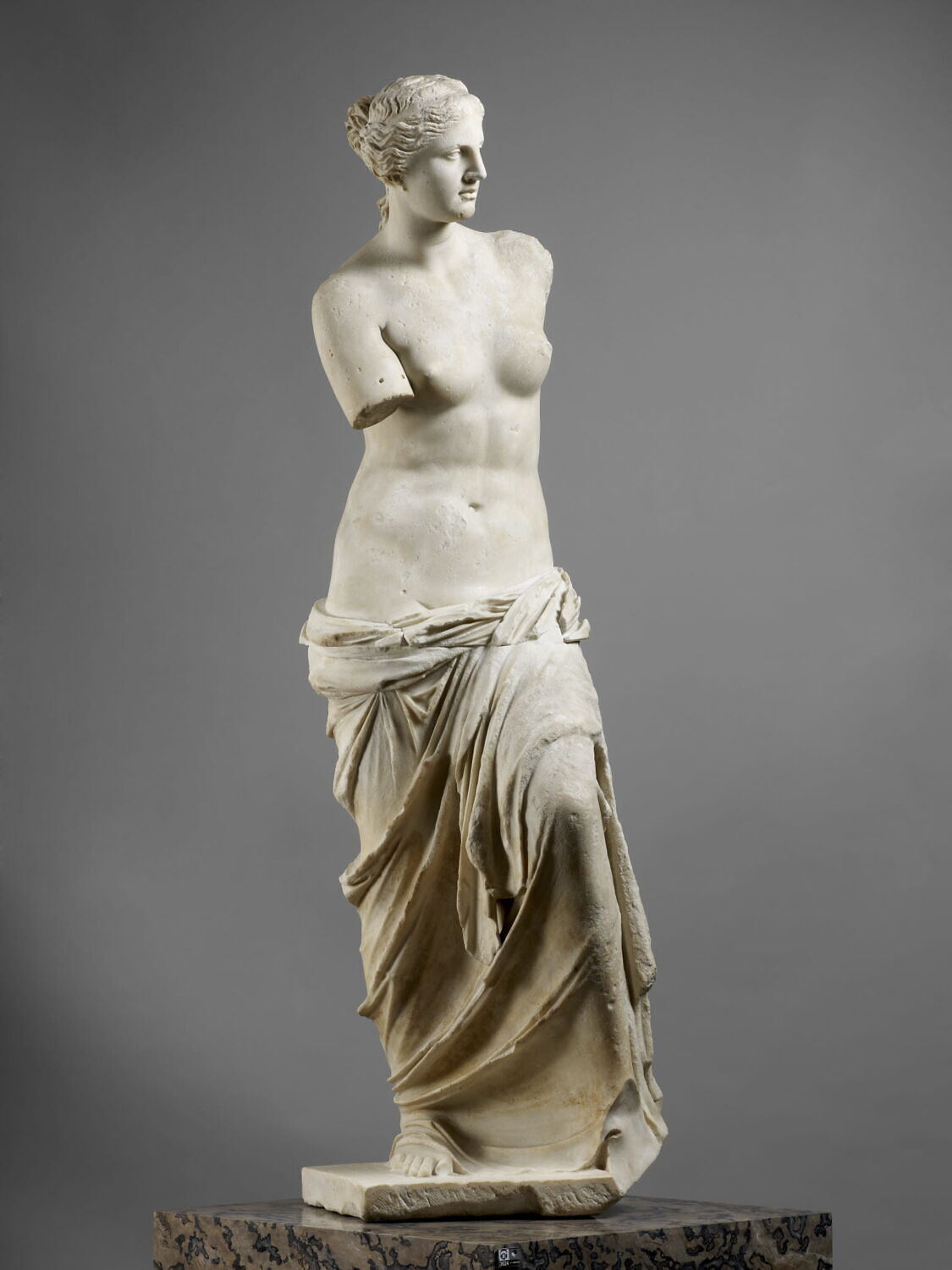
Ancient Greek sculpture discovered in 1820 on the island of Milos in the Aegean Sea. It was created around 130 BC and depicts Aphrodite, the goddess of love and beauty. The main feature of this marble statue, which is about 2 meters high, is that both arms are missing. It is this "deficiency" that captures the viewer's imagination and creates a deeper charm than perfect beauty. The body twisted in an S-shape, graceful waist line, and divine expression can be said to be the ultimate in the ideal human beauty pursued by the ancient Greeks.

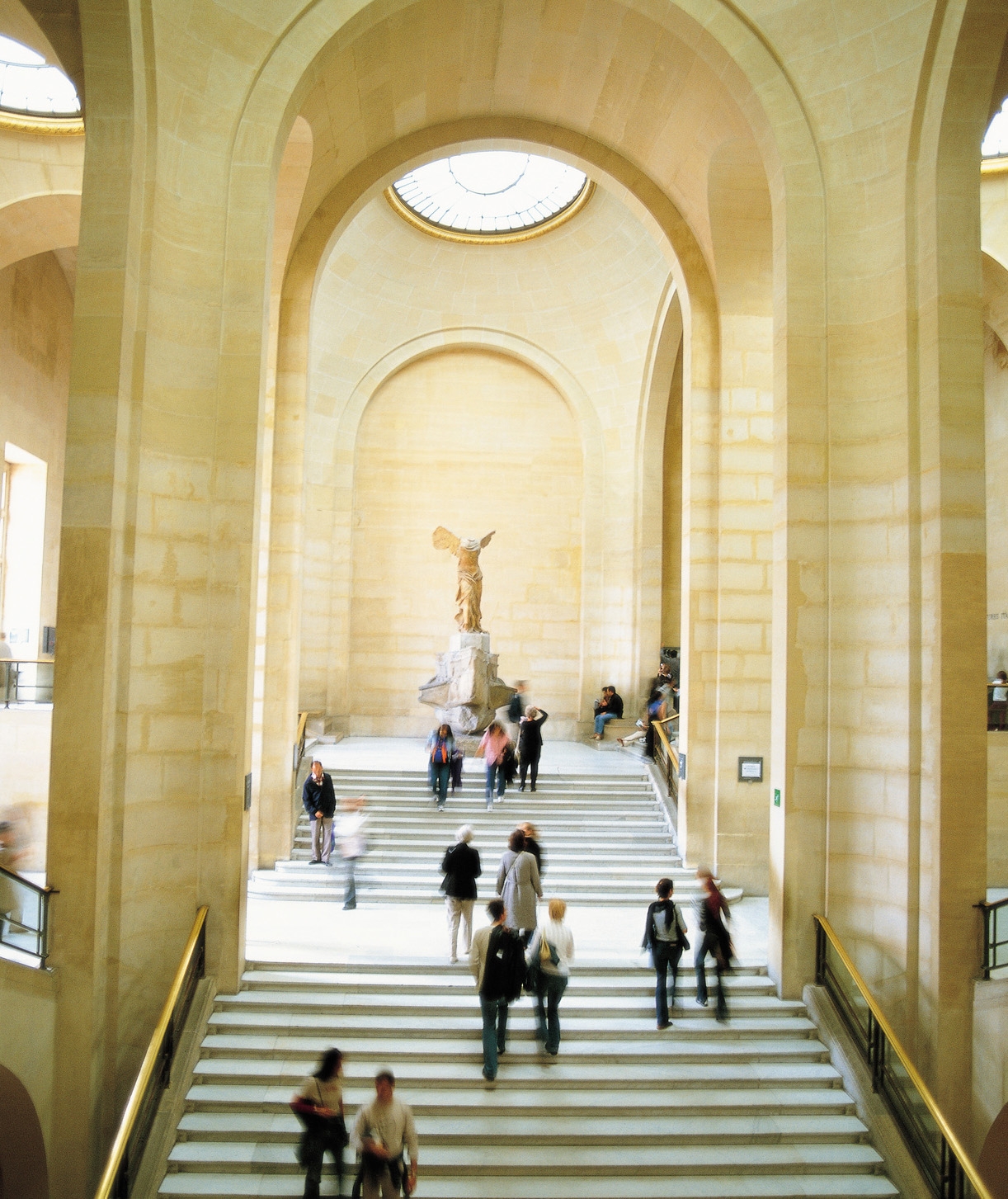
3. Nike of Samothrace (Three Great Treasures) (The Three Beauties of the Louvre)

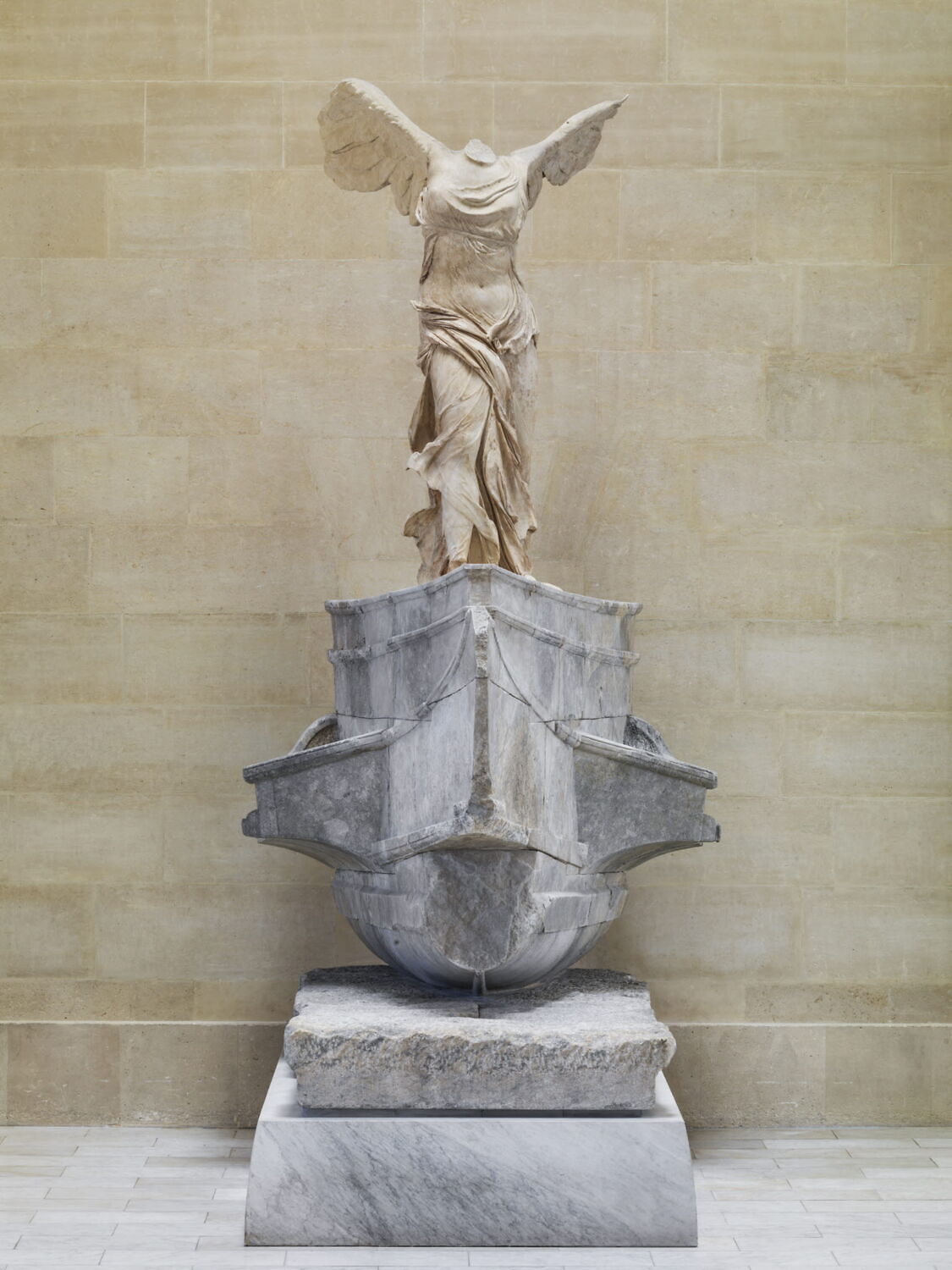
A statue of the goddess of victory standing with her wings spread out. It was created around 190 BC and discovered in 1863 on the island of Samothraki in the Aegean Sea. Although the head and arms are missing, the dynamic feeling of moving forward, the expression of the robe fluttering in the wind, and the powerful spread wings give an overwhelming impression. In addition, the 2.75-meter-tall marble statue stands on a pedestal that imitates the bow of a ship and is believed to have been dedicated to commemorate the victory in the naval battle. By the way, this statue is placed on the landing of the stairs, and the dramatic arrangement that jumps into the eyes the moment you go up the stairs also brings out the charm of the work.

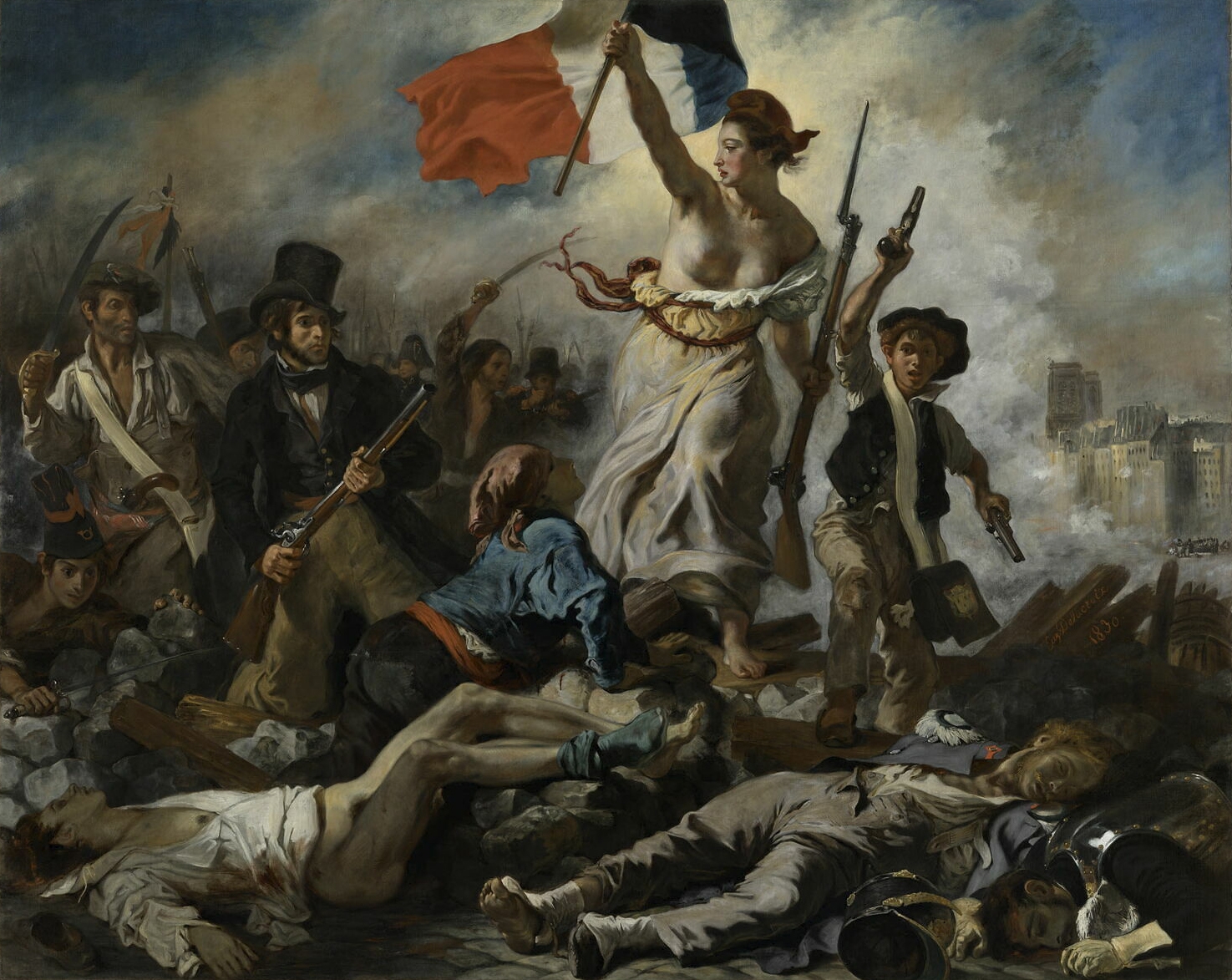
4. Statue of Liberty leading the people

Eugène Delacroix painted the July Revolution of 1830 and is a representative work of Romantic painting. The woman "Marianne" with the tricolor flag in the center is the personification of freedom and a symbol of the French Republic today. Other powerful images of boys with guns, fallen soldiers, and civilians are powerfully depicted, and the heat and chaos of the revolution seem to overflow from the screen. The 2.6 meters in height × 3.25 meters in width is a historically and artistically significant work that visualizes the ideals of the French Revolution of freedom, equality, and fraternity.

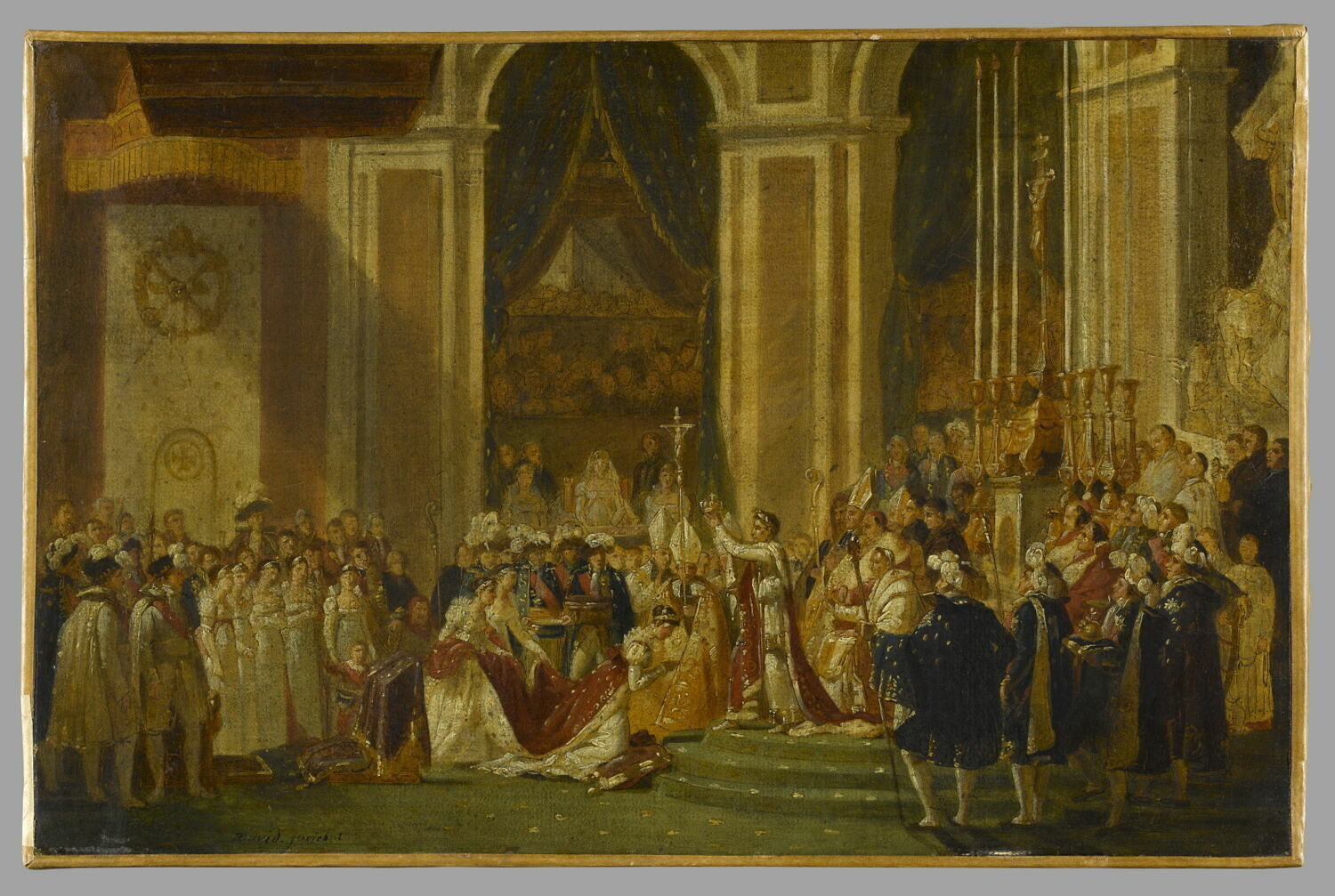
5. Coronation of Napoleon I

Jacques = Louis David completed a huge historical painting with a height of 6.21 meters × a width of 9.79 meters in width. It depicts the moment of Napoleon's coronation at Notre Dame Cathedral in Paris on December 2, 1804. Centered on the scene where Emperor Napoleon presents the crown to his wife Josephine, about 200 people, including Pope Pius VII and courtiers, are precisely depicted. Although it has the aspect of political propaganda commissioned by Napoleon himself, the majestic composition and realistic depiction by neoclassicism are highly regarded as works of art.

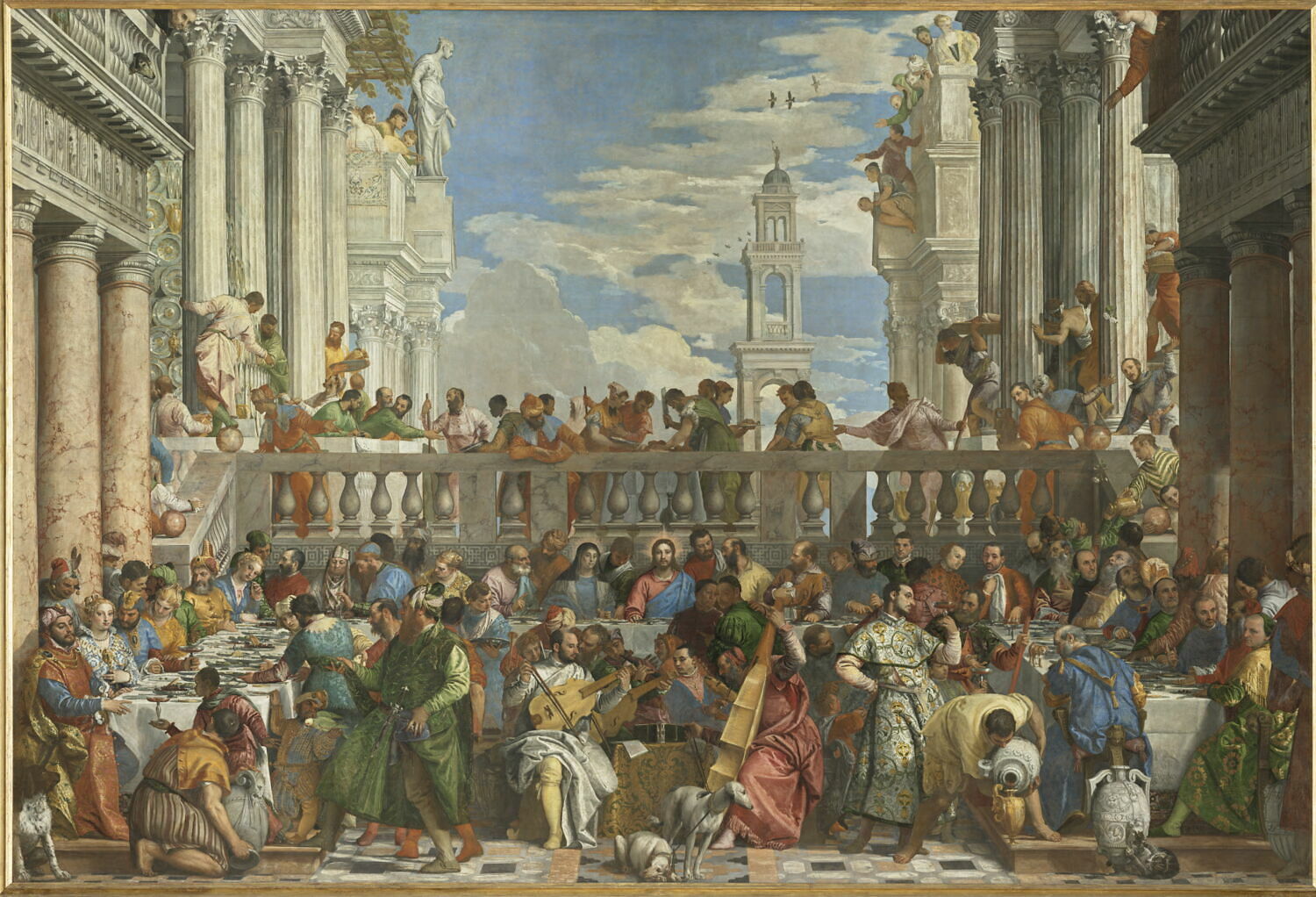
6. Kana's Wedding Reception

Created by Paolo Veronese in 1563, it is the largest painting in the Louvre. The huge canvas, measuring 6.66 meters in length × 9.9 meters in width, depicts the miraculous scene of Christ turning water into wine at the wedding of Cana in the New Testament. However, this work is not a biblical story, but rather a luxurious banquet scene in 16th-century Venice, featuring more than 130 figures in gorgeous costumes, making it a masterpiece that combines the color beauty of the Venetian school of the Renaissance with magnificent compositions.

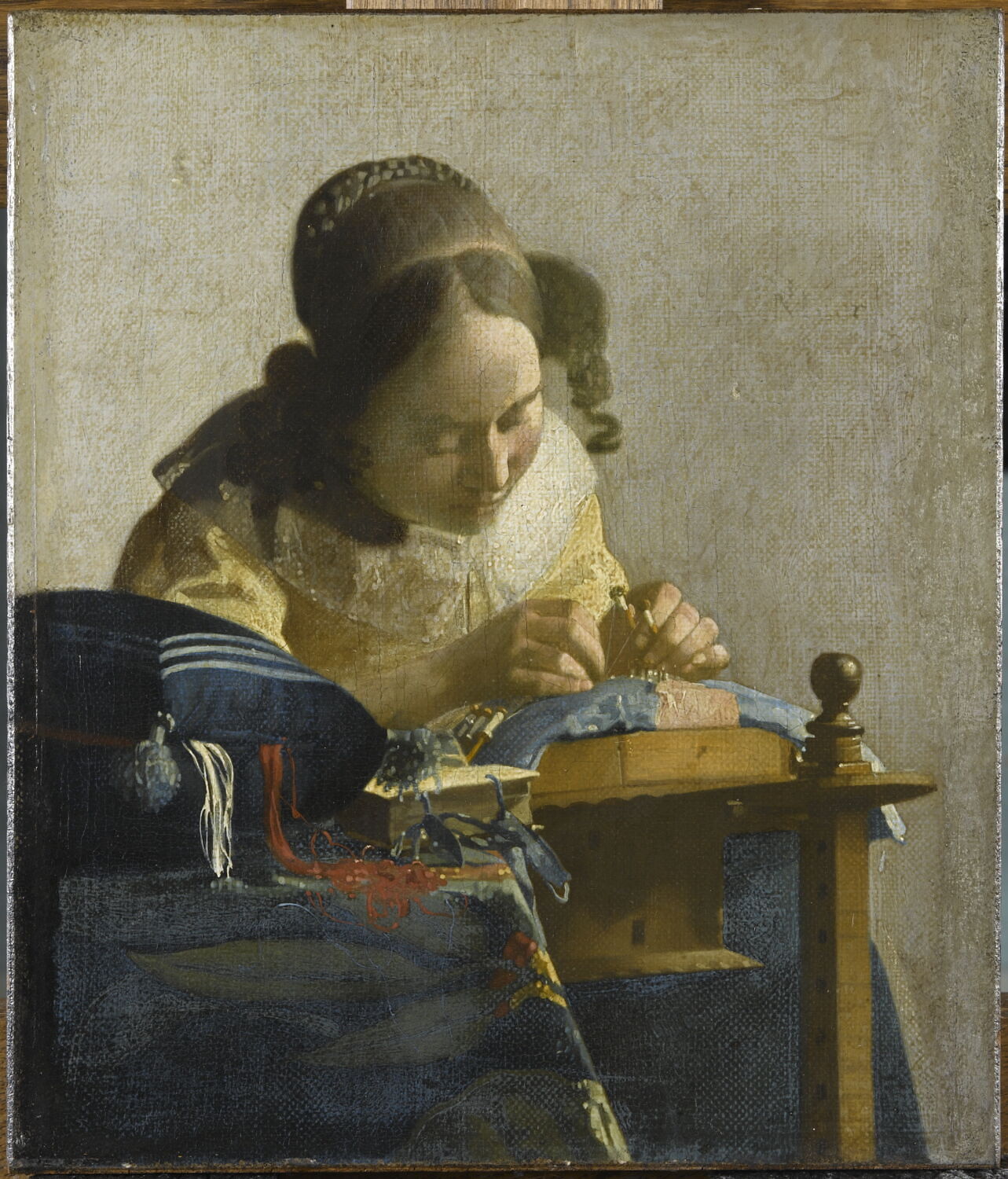
7. Woman weaving lace

Johannes Vermeer painted a small painting around 1669-1670 measuring 24 cm in height × 21 cm in width. It is a masterpiece that encapsulates Vermeer's specialty of "expression of light", and captures the figure of a young woman immersed in lace knitting from an intimate perspective. The deliberate blurring of the background and focusing on the woman's hand created a photographic effect, so much so that the Impressionist master Renoir praised it as "the most beautiful painting in the world."

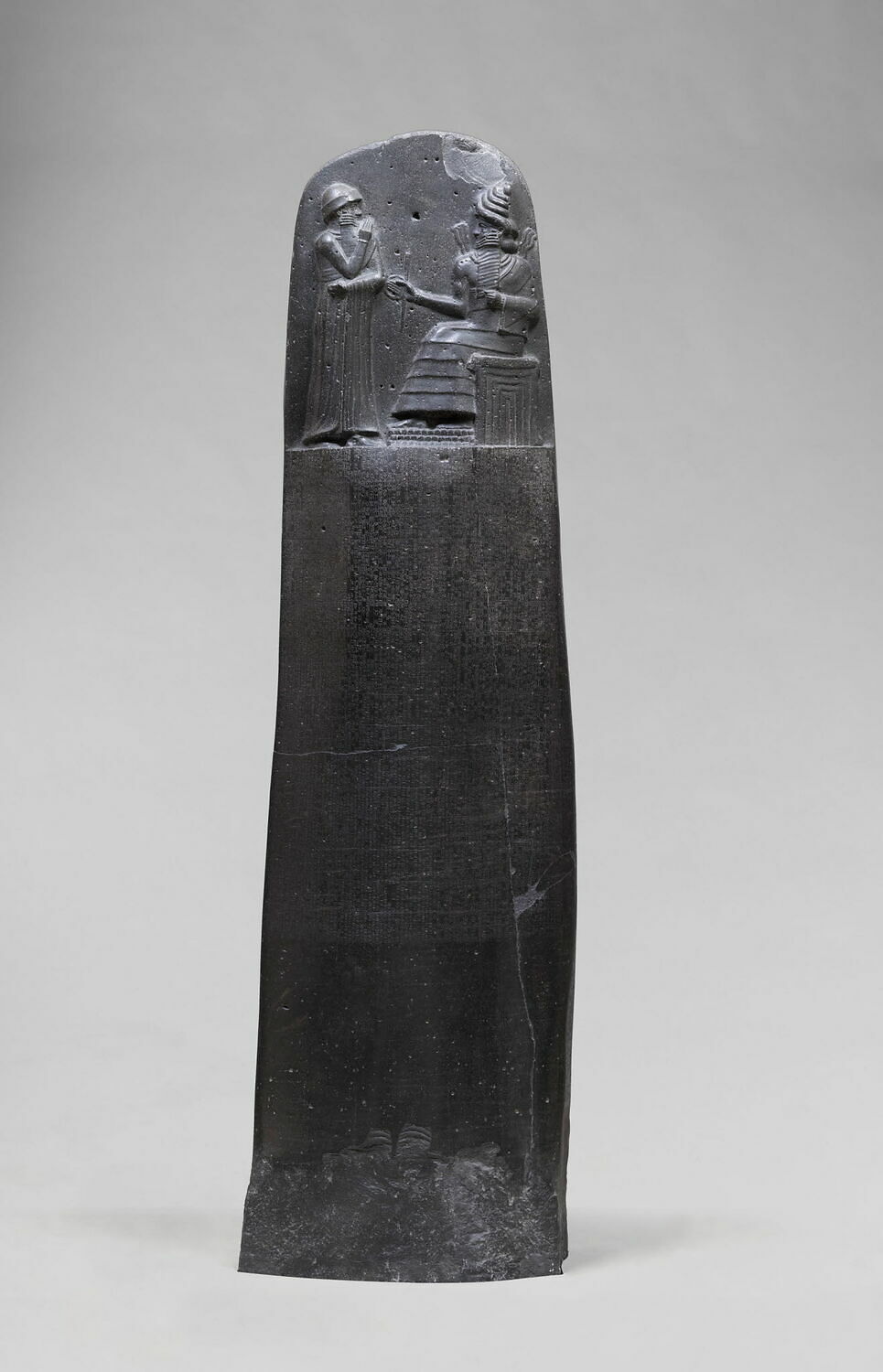
8. Code of Hammurabi

It is a 2.25-meter-high basalt stone monument engraved with a code of law enacted by King Hammurabi of the ancient Babylonian kingdom around 1792 BC. The upper part highlights the scene of the king receiving the law from the sun god Shamash, and the lower part is written in cuneiform with the provisions of Article 282. The Code of Hammurabi is famous for "an eye for an eye, a tooth for a tooth", but in fact it is a collection of practical laws that regulates all aspects of civil life, such as land sales, wages, inheritance, and marriage, and is considered an extremely important document in the history of legislation as one of the oldest written laws of mankind.

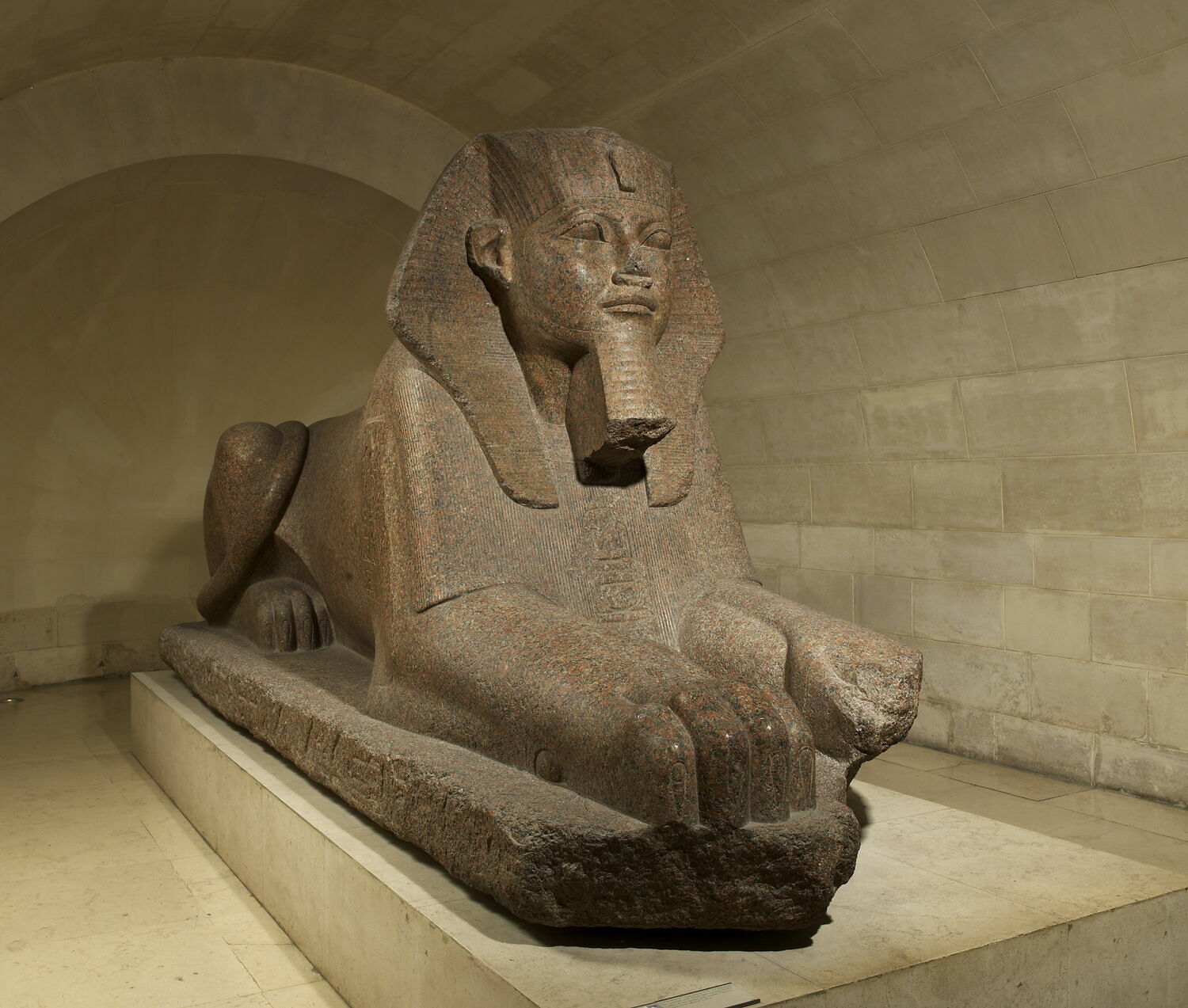
9. The Great Sphinx of Tanis

It is a huge sphinx statue created during the time of Ramses II, pharaoh of the 19th Dynasty of ancient Egypt. With a total length of 4.8 meters and a weight of about 12 tons, it is the largest sphinx preserved outside of Egypt, and was discovered in 1826 at the Tanis ruins in the Nile Delta before being transported to France. With a lion's body and a human face, the Sphinx symbolizes the power and wisdom of the king, and although the details have been lost due to weathering, it exudes a commanding presence.

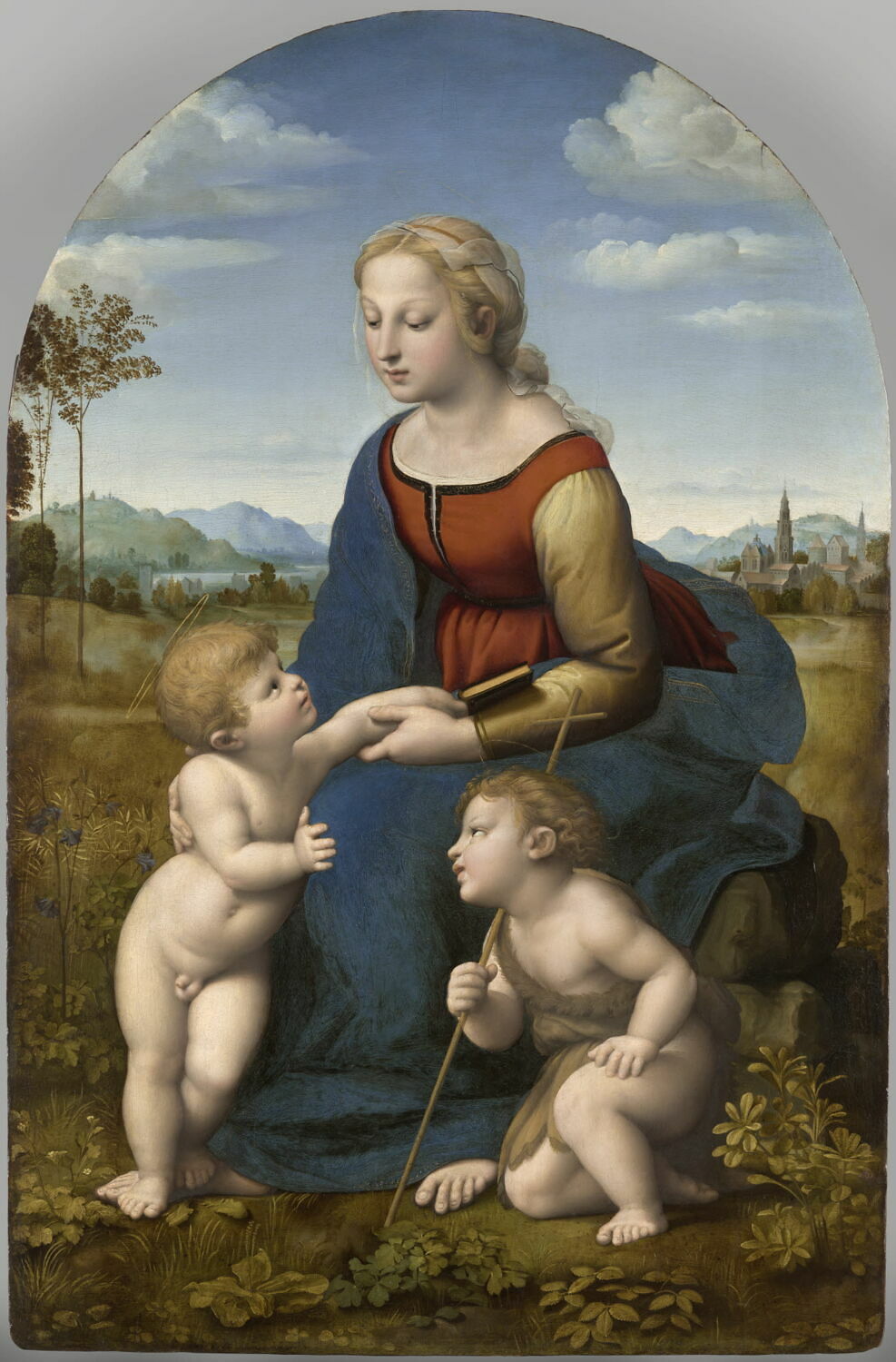
10. The Virgin and Child and St. John the Baptist

Created by Raphael Santi around 1507, the statue of the Virgin and Child, also known as the "Beautiful Gardener". The infant Jesus sits on the lap of the Virgin Mary, and John the Baptist prays beside him in an idyllic landscape. Raphael, known as the "painter of the Virgin," incorporated the triangular composition invented by Leonardo da Vinci and the dynamic expressions that evoke Michelangelo's influence. It is a masterpiece that demonstrates the true value of the "perfector of the Renaissance style" who established his own style while absorbing the techniques of his predecessors.


Louvre in the digital age

With the closure of the museum in 2020 due to the coronavirus pandemic, the Louvre Museum has accelerated its digitalization. Currently, more than 480,000 collections are available online on the official website "Collections", allowing you to view works in high-resolution images from anywhere in the world. In addition, if you use the virtual tour function, you can experience as if you are actually walking around the museum. With educational programs and curatorial explainer videos, the Louvre continues to expand beyond its physical space.

The Louvre opens the door to the future

The Louvre was born as a fortress, became the palace of kings, and was reborn as a people's museum through the revolution. It can be said that the history of about 900 years embodies the very change in human values, from a symbol of power to a common property of culture.