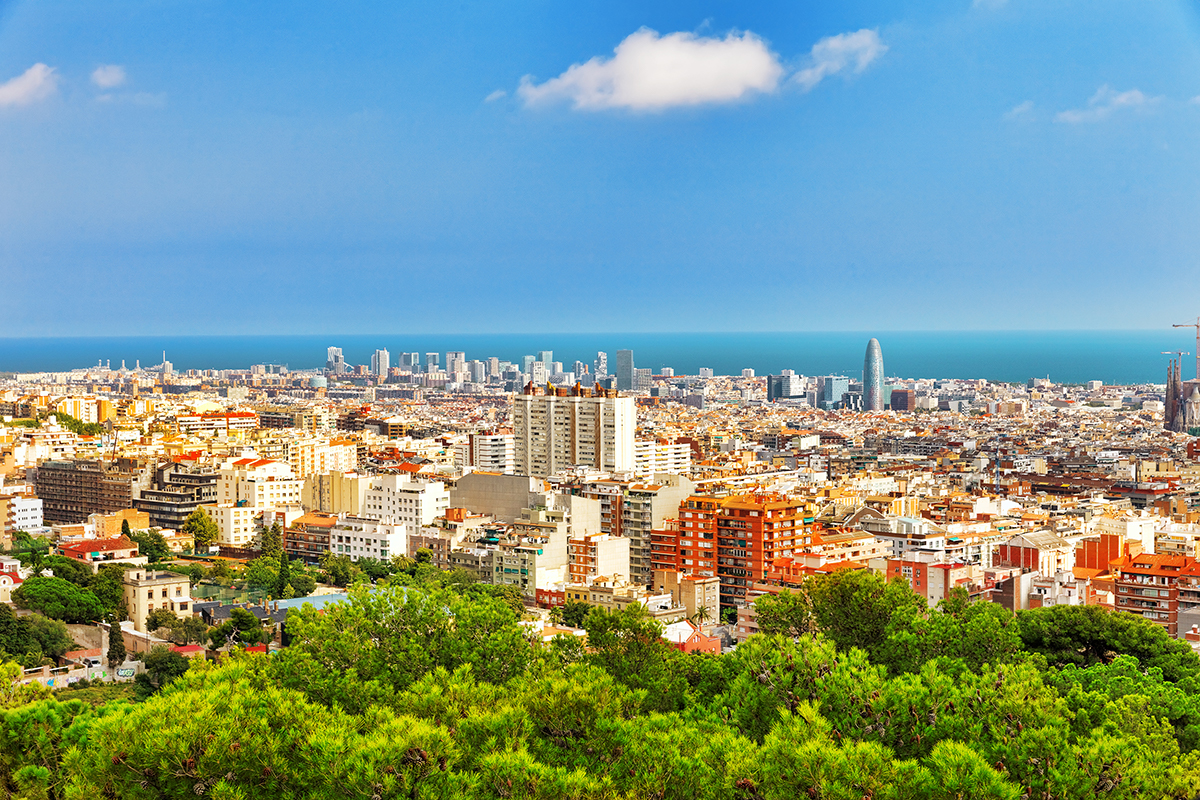
A Life Dedicated to God—100 Years Since Antoni Gaudí's Death, the Day 144 Years After Prayer Finally Reaches the Sky
Content titled "CLOSE UP" focuses on art topics attracting attention both domestically and internationally and introduces their appeal. This time, the theme is Antoni Gaudí, an architect loved worldwide as a miraculous architect.
Stones ripple, columns branch like trees, and light pours through stained glass like a forest—the architectural world created by Gaudí possesses an overwhelming beauty, almost like a "dream beyond this world." But behind that blueprint was a fight against poverty, a deep faith, and a mad obsession with a single architecture he devoted himself to, knowing it would continue even after his death. Why did Gaudí continue to build architecture as if praying so much? The answer lay in his turbulent life.
Gaudí as a Man—A Boy Fascinated by Faith and Nature
In 1852, Antoni Gaudí was born in a small town called Reus in the Catalonia region of northeastern Spain. Raised in a family of craftsmen whose family had made a living from metalworking, including his father who was a coppersmith, Gaudí had observed the studio from a young age, which naturally fostered his ability to imagine and create three-dimensional objects in his mind.
"My mentors are my father, my grandfather, and my great-grandfather. We are all three-dimensional human beings."
The words he later spoke were unique to Gaudí, who grew up in a family of metalworking for generations, and it conveys that the great architect Gaudí had a strong influence at his roots.
However, Gaudí faced major limitations during his childhood. It's rheumatism. Gaudí, who had suffered from joint pain since childhood and couldn't run around like other children, became passionate about walking slowly through the mountains and observing nature. The veins running behind blades of grass, the spirals drawn by shells, the continuous hexagons formed by beehives—it was his limited body that drew his gaze to the details.
"The rules of beauty are found in nature."
This is a belief Gaudí repeated throughout his life. The curvaceous curves, organic forms, and the idea of transforming the structure itself into decoration seen in later architecture are deeply rooted in this child's "observation." At 17, Gaudí moved to Barcelona and enrolled in an architecture school. Although his grades were not particularly outstanding, the principal reportedly left these words at graduation.
"Today, are we handing diplomas to geniuses, or to madmen? Either way."
In other words, his style had already deviated far from the conventional wisdom around him.
Furthermore, while studying architecture in Barcelona, Gaudí found another pillar that shaped him alongside architecture. Faith. A strong pride in the land of Catalonia and a deep devotion to Catholicism. These two elements are at the core of Gaudí's creative work. Gaudí is said to have been interested in Catalonia's independence movement and frequented cultural salons in Barcelona, but after a certain period in his thirties, his way of life changed even more dramatically.
One of those turning points was heartbreak. Gaudí had a woman he deeply loved named Pepa Moreu, but she married another man. Deeply devastated by this event, Gaudí began to avoid contact with others, and it is said that this heartbreak was the catalyst that led him to delve deeply into the worlds of architecture and faith. In his later years, Gaudí wore shabby clothes and lived an ascetic lifestyle consisting only of bread, nuts, and vegetables, while dedicating himself wholeheartedly to architecture.
Sagrada Familia and Gaudí—All About the Architect Dedicated to God
Gaudí took over the design of the Sagrada Familia in 1883, when he was 31 years old. Originally, the construction of this church began in 1882 with the enthusiasm of Barcelona philanthropist José María Bocabella, with another architect responsible for the initial design. However, due to disagreements over funding and design, the architect resigned, and the young Gaudí was chosen as the prime target.
Gaudí completely rebuilt the original design. With the conviction that "it cannot be just a neo-Gothic church. This is an offering to God," he began envisioning an unprecedented architectural world that fused the laws of nature with biblical stories.
Building the "House of God"
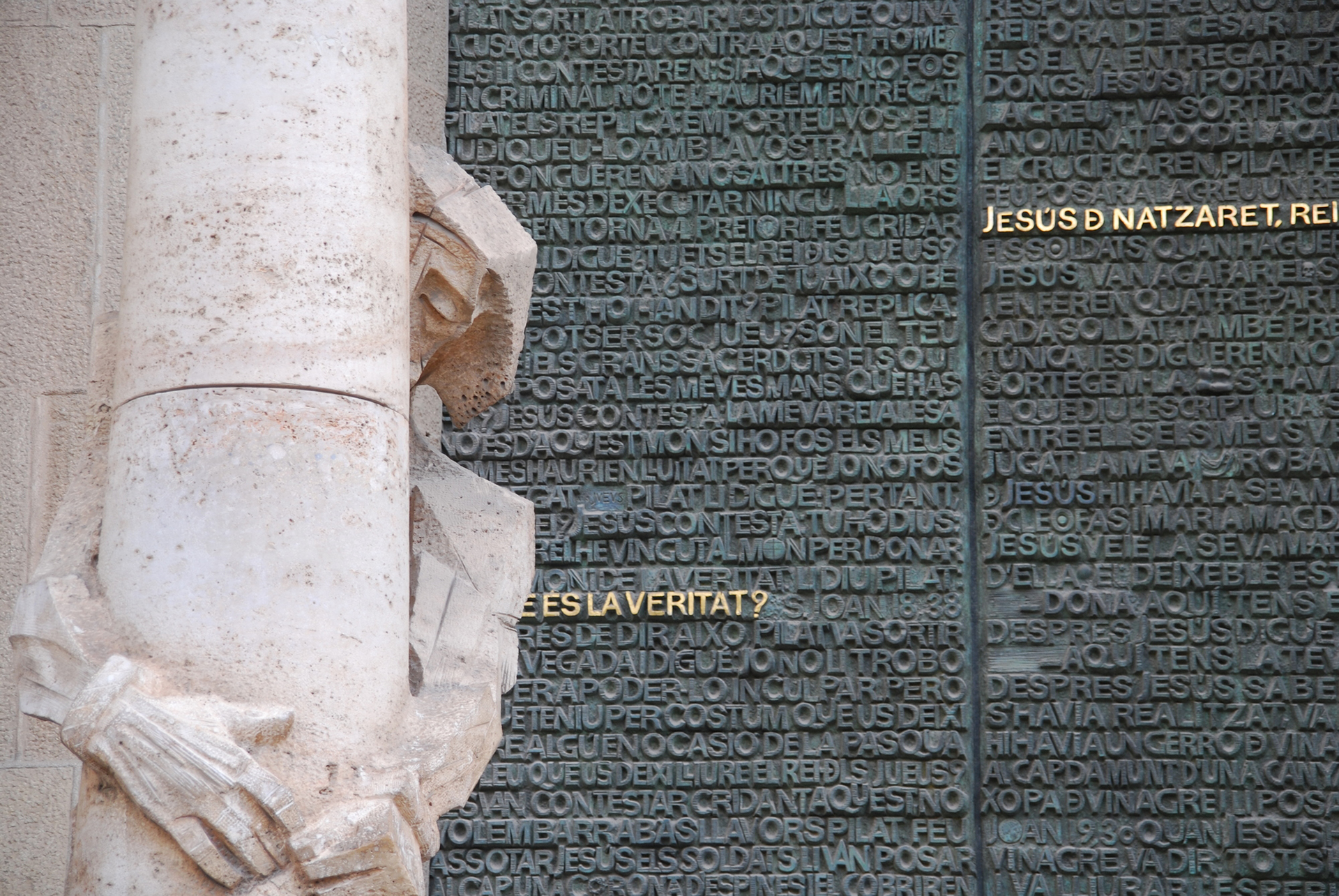
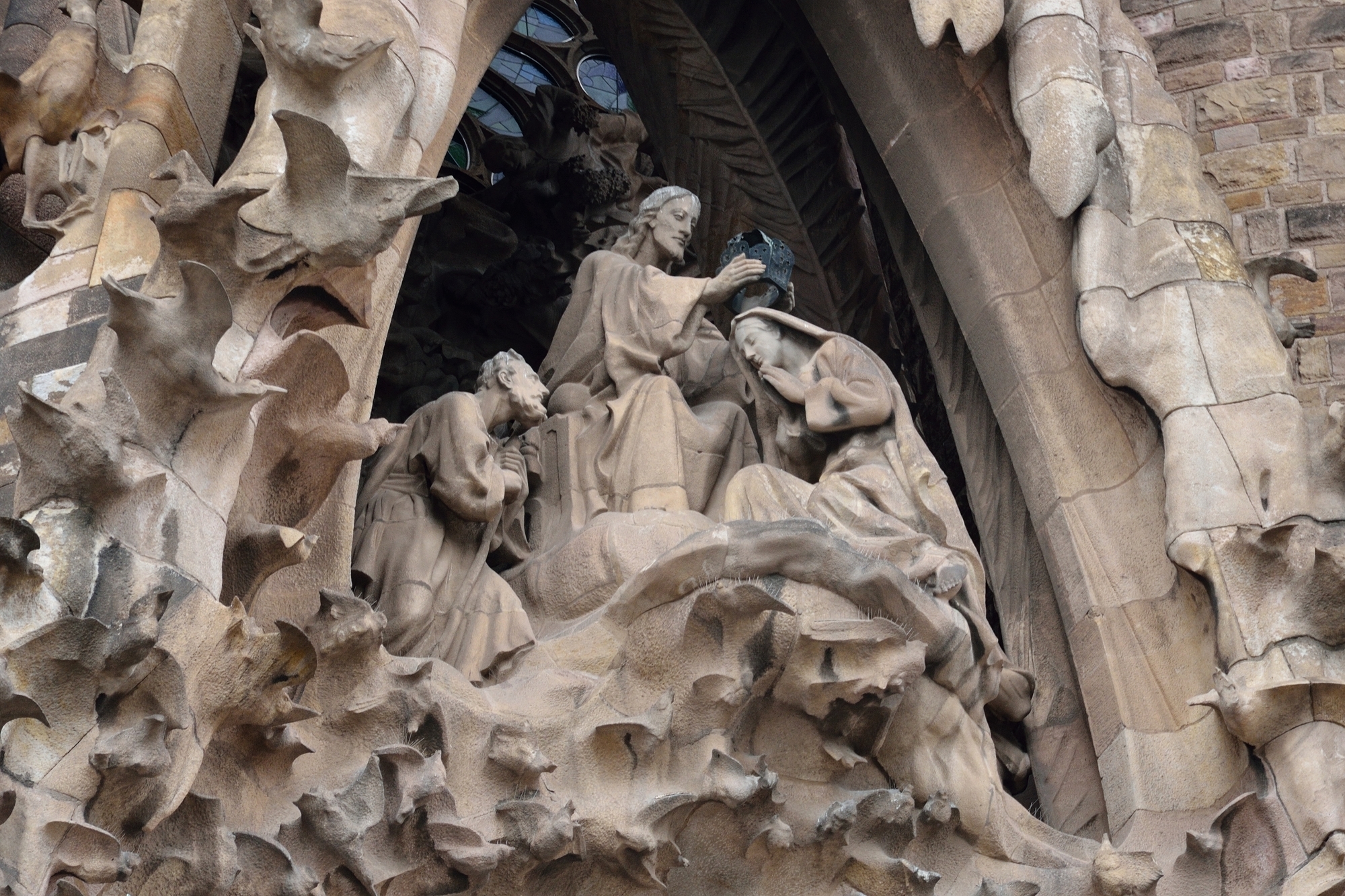
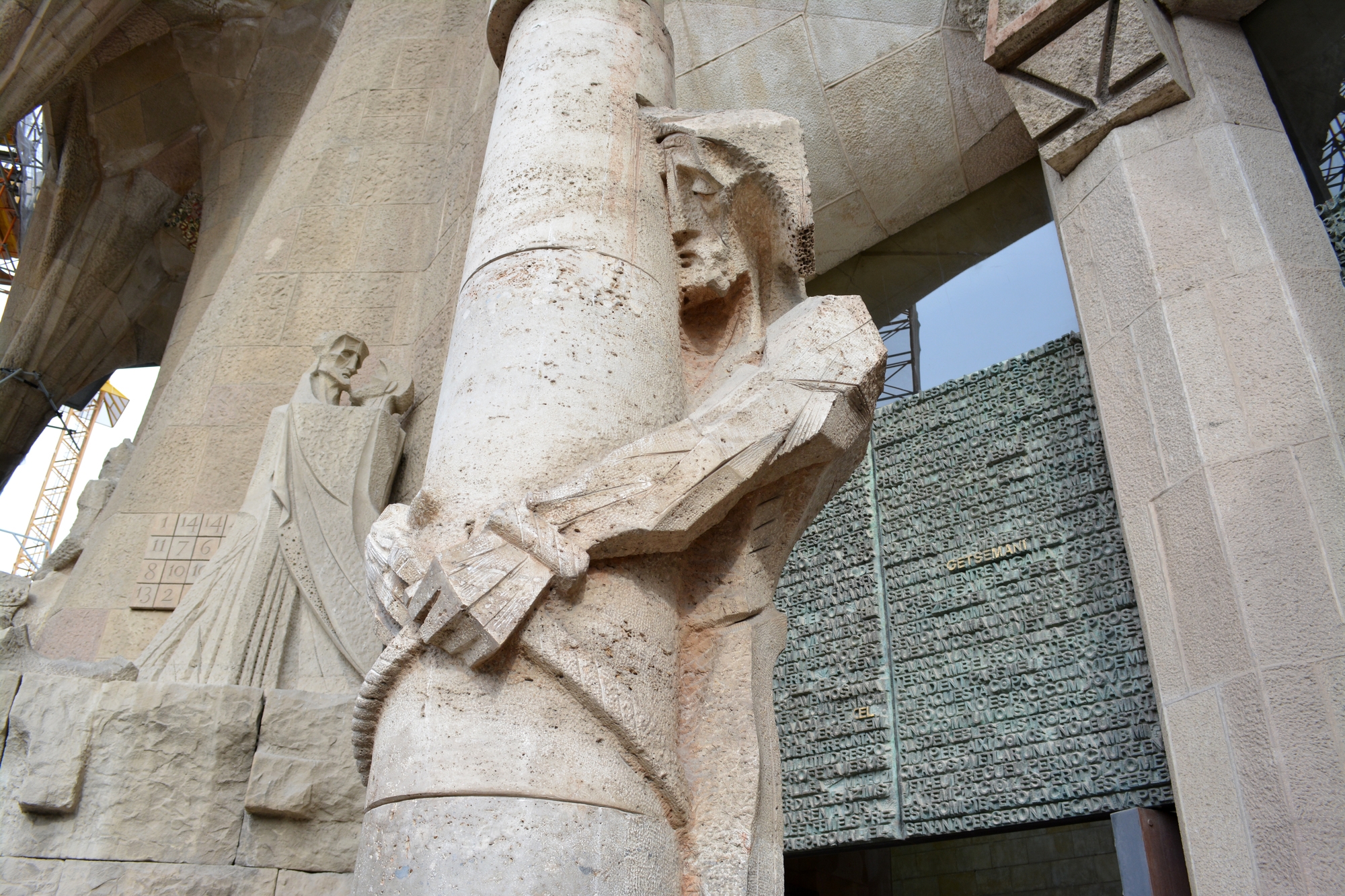
The most fundamental idea Gaudí imposed on the Sagrada Familia was that "even those who cannot read should be able to understand the biblical world just by looking at the building." Countless carvings are carved into the church's exterior walls, telling the story of Christ's birth, death, and resurrection in stone.
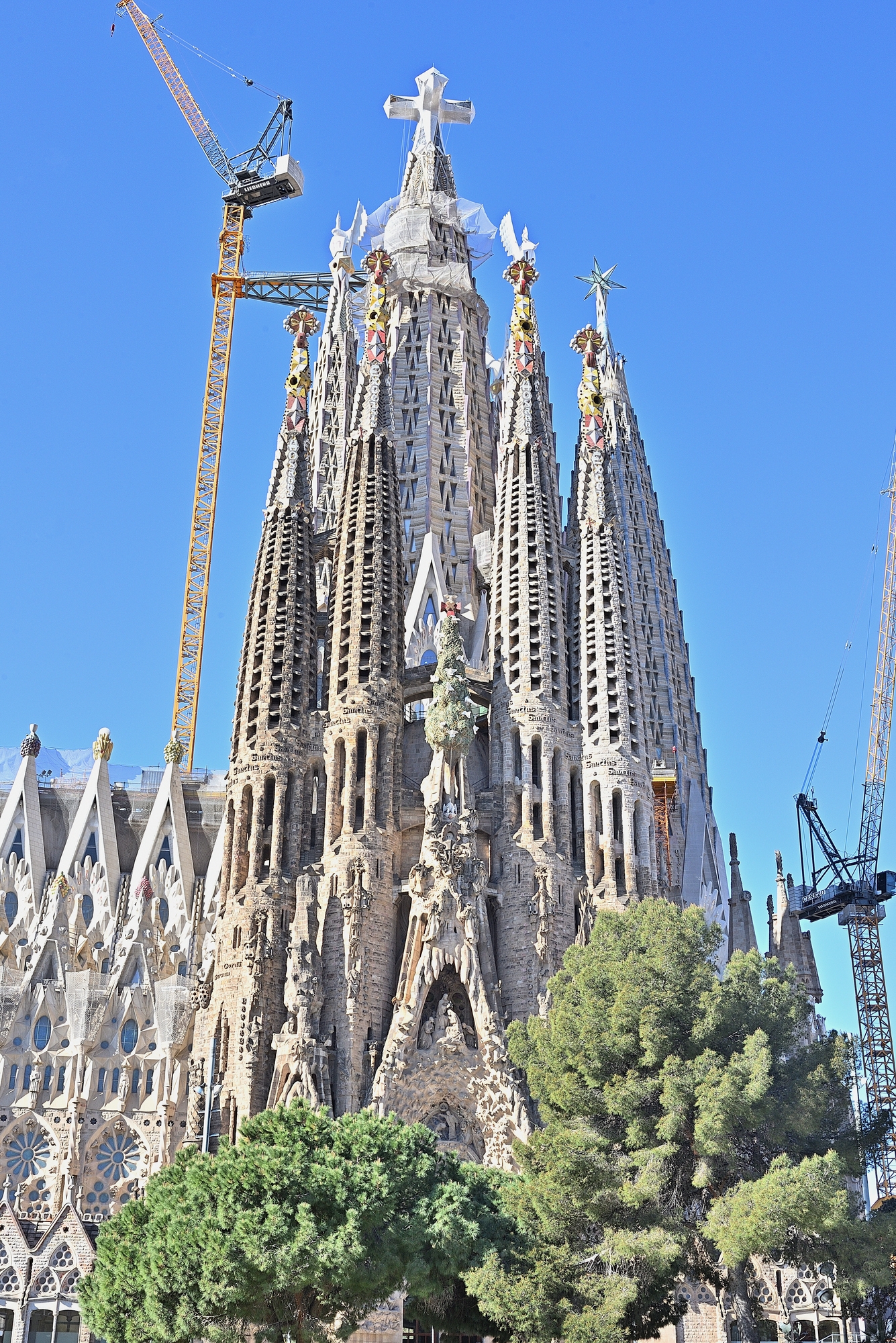
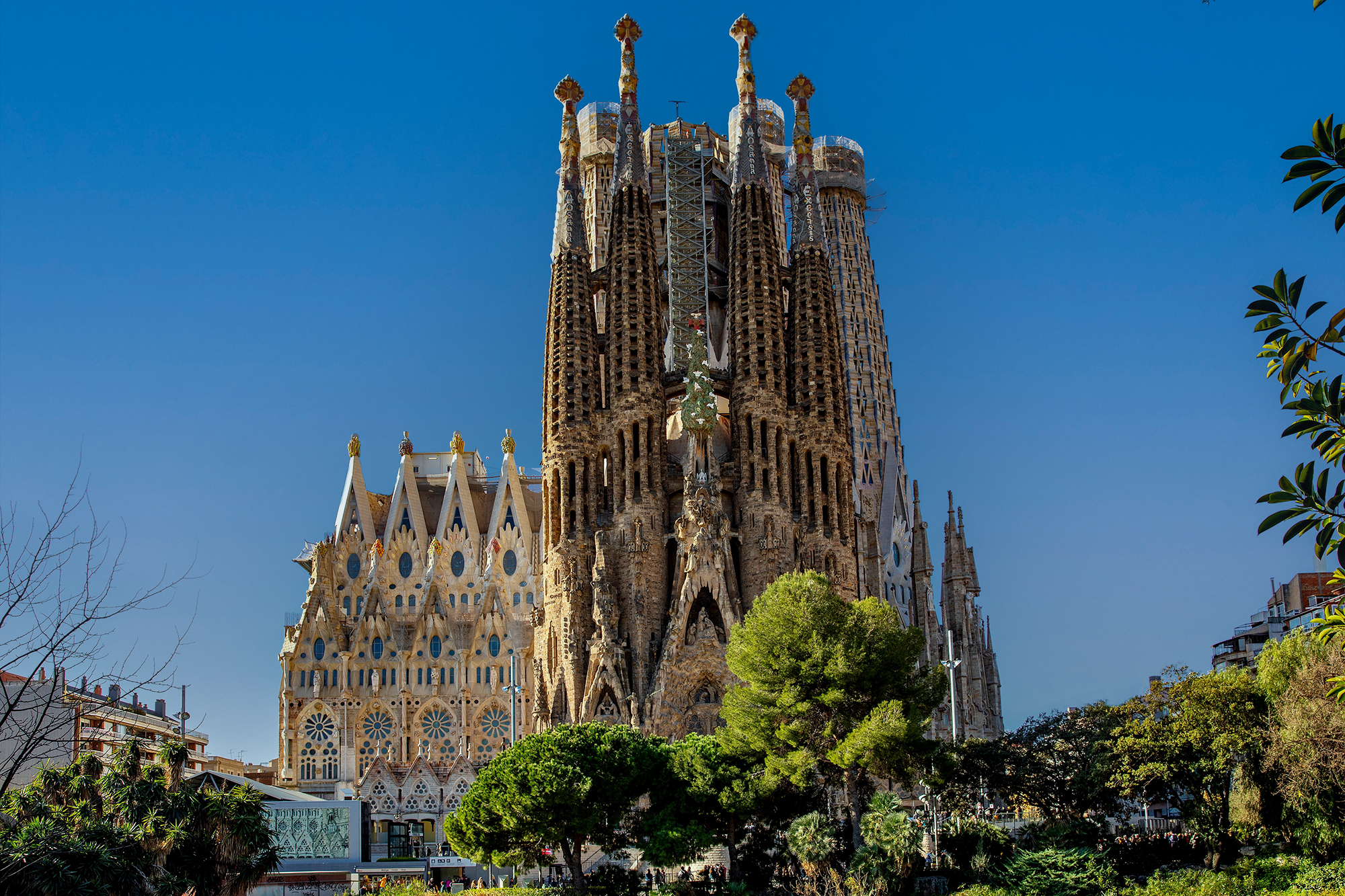
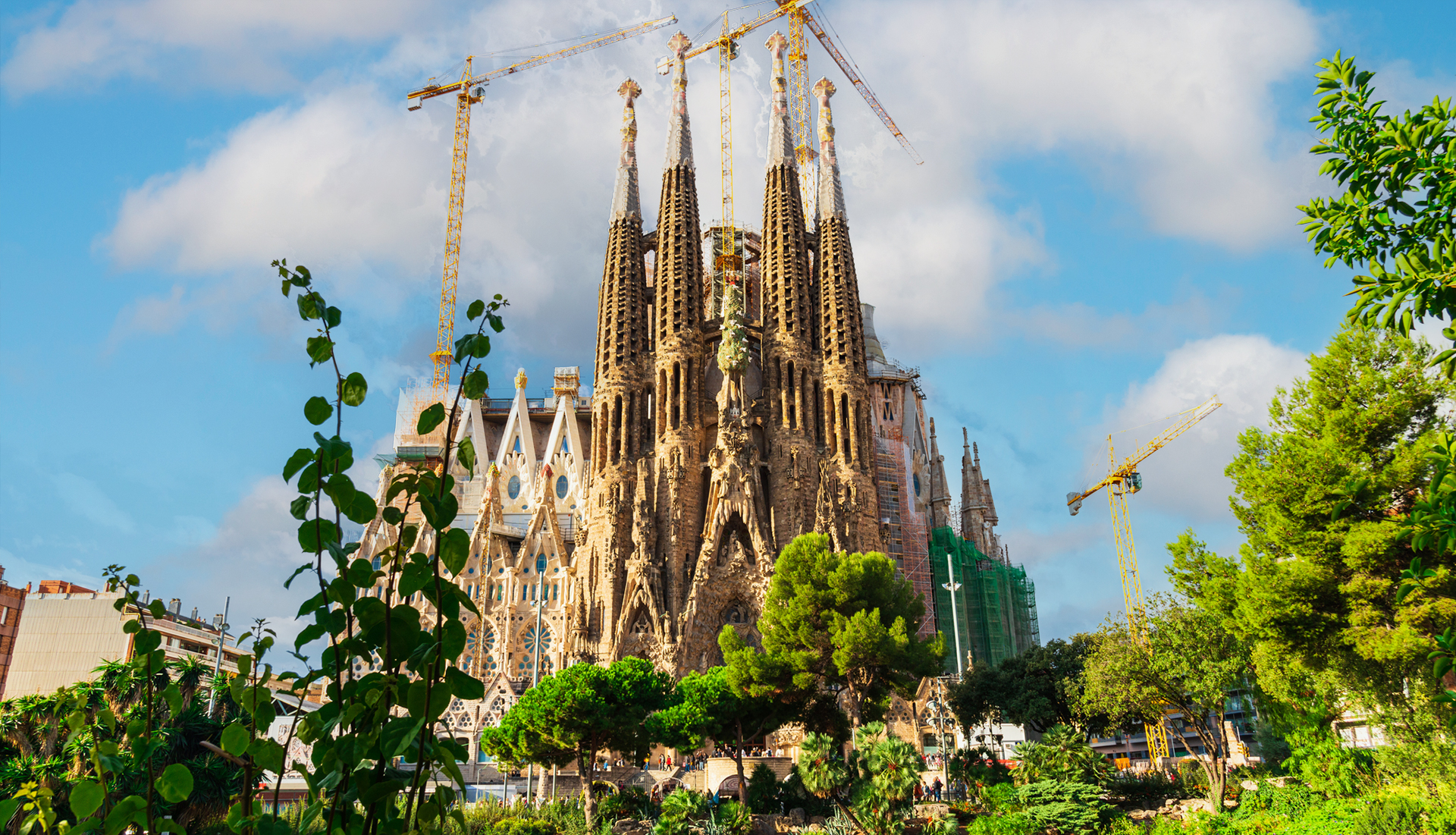
Furthermore, the church has three facades (main entrances). On the east side, the "Nativity Façade" celebrates the birth of Christ; on the west side, the "Passion Façade" depicts the sorrow of crucifixion and death; and on the south side, the largest "Glorious Façade" symbolizing humanity's salvation and resurrection. Each weaves different emotions and grand stories, overwhelming all who visit. The only thing Gaudí completed during his lifetime was the "Nativity Facade," overflowing with the joy of life, but the density and delicacy of its organic sculptures continue to breathe in people around the world today. After his death, his disciples persistently connected the lost materials and models left behind by the ravages of war, passing on that will to the next generation.
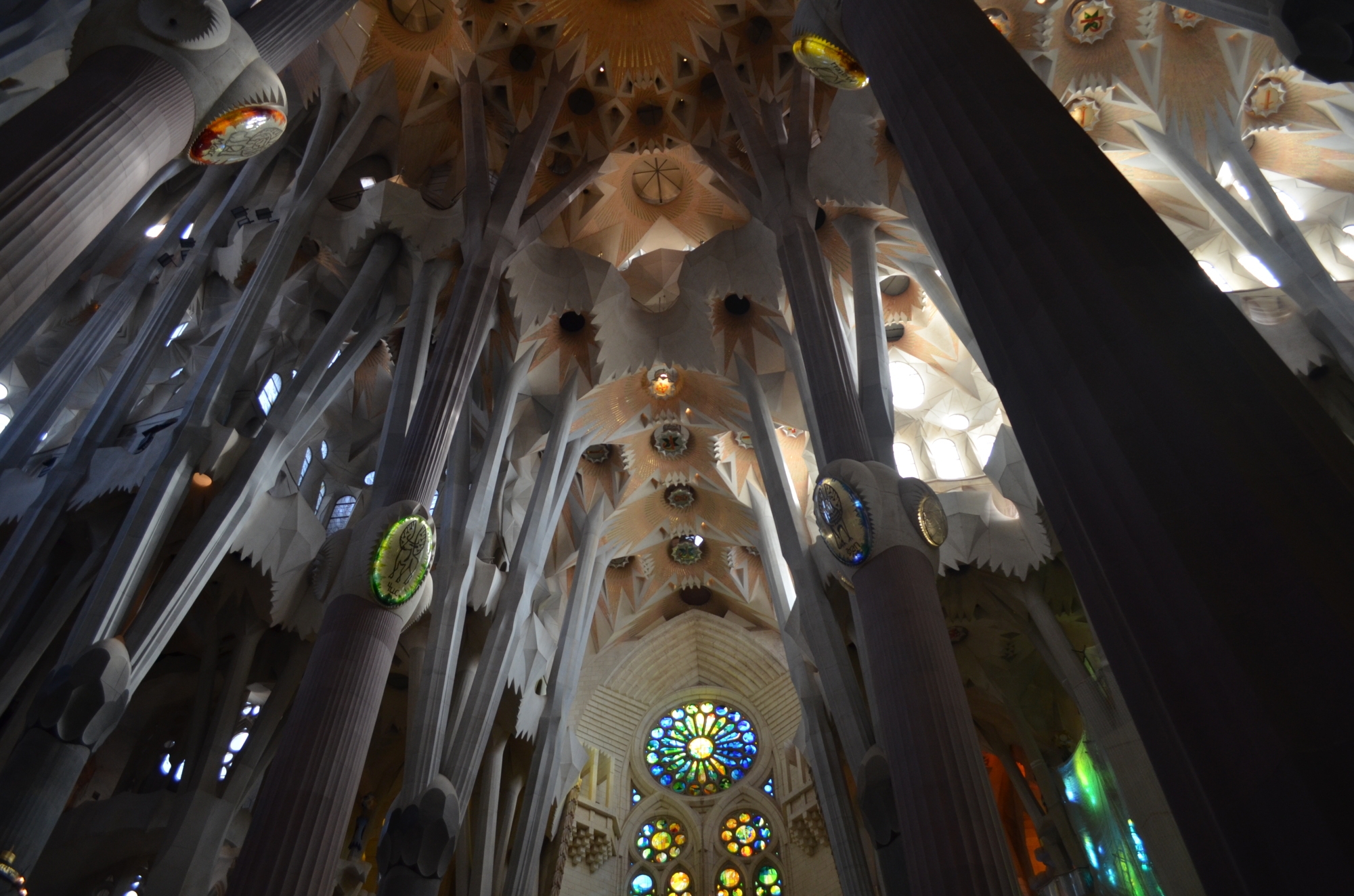
The interior design was also revolutionary. Gaudí abandoned the heavy arches and buttresses used in traditional church architecture, instead using columns that branch like strong tree trunks. The columns spread branches toward the ceiling, and the colorful light filtering through the stained glass filters through the gaps like sunlight filtering through the trees, making you feel as if you are standing deep in a forest. This space, where geometry and faith fuse, is imbued with Gaudí's philosophy that 'God's house must be an extension of nature,' allowing you to feel firsthand the spirit of the cathedral, which continues to evolve over more than 100 years.
Hanging Upside Down to Solve Structures—The Invention of the Suspension Line Model
One reason Gaudí's architecture is not just a vision but stands as a real structure lies in his unique design approach. This is what is called the "Hanging Line Model."
Gaudí hung countless thin threads from the ceiling and attached small sandbags at the ends. The curve of the thread that naturally hangs down due to gravity—called the "catenary curve"—forms an arch shape that most efficiently disperses force when inverted. In other words, Gaudí was performing structural calculations while using physical laws themselves as design tools. At that time, there were not even enough tools to handle computers, let alone complex mechanical calculations.
This model was hung in the workshop, and Gaudí proceeded with the design while viewing it upside down using a mirror. When visitors saw the scene and asked, "What is this?" Gaudí quietly answered. "This is the finished form of the Sagrada Familia," he said.
"There's no need to rush. God's clients will wait."
This is a phrase Gaudí often said. From the very beginning, the construction of the Sagrada Familia was extremely difficult to fund, and Gaudí was also troubled. This church, which received no support from the government or administration, continued construction solely through individual donations, so whenever funds were on the verge of running out, Gaudí would personally go out into the streets of Barcelona to seek donations. His visit to the homes of wealthy citizens one by one, explaining the significance of the construction, was more like a seeker living by his convictions than a great architect.
When asked, "Why aren't you rushing to finish it?" Gaudí reportedly answered as follows.
"My client is not in a hurry."
The unwavering conviction that we are working with God is evident in these words. In his later years, Gaudí declined almost all work and devoted his life solely to the Sagrada Familia. I rented a small room near the workshop and lived there, going to the construction site every day without fail. He had only minimal meals, wore tattered clothes, and used all his accumulated wealth to fund the construction of the church. It is said that the people of Barcelona eventually accepted the elderly wandering construction sites as a familiar sight.
Sudden Death, and Eternal Abode
On June 7, 1926, Gaudí was hit by a streetcar while returning from his daily worship service at the Church of San Felipe Neri. Because they were wearing tattered clothes, the first people to rush over thought they were homeless and delayed rescue efforts. Gaudí was taken to the hospital and passed away three days later. He was 73 years old.
News of his death quickly spread throughout Barcelona, and a huge number of citizens attended the funeral. His coffin was buried in the architecture to which he devoted his life—the underground chapel of the Sagrada Família. Architecture that he created himself and became a place to rest. There is no more suitable burial site.
144 Years After Gaudí's Passing—The Baton Passed to the Next Generation
At the time of Gaudí's death, the Sagrada Familia was said to be about 25 percent complete, and the remaining blueprints and plaster models served as the only guides for his successors to continue construction.
However, in 1936, during the Spanish Civil War, anarchists in Barcelona set fire to Gaudí's workshop. Many of the blueprints Gaudí left behind were burned, and plaster models were shattered to pieces. All that remained were charred fragments and the memories of those who knew Gaudí.
Still, in this desperate situation, successive architects began tremendous work. They collected each fragment of broken plaster and restored the model as if it were an archaeological excavation. Thousands of fragments are pieced together like a puzzle, and missing parts are guessed from remaining photos and testimonies. That work took years.
Gradually, times changed, and with the introduction of not only artisanal craftsmanship but also computer-based 3D modeling and CNC (numerical control) machines, it became possible to reproduce Gaudí's vision with greater precision. Complex curved surfaces that could only be calculated with suspension line models have now been faithfully engraved into stone thanks to digital technology.
Construction funding is still supported by entrance fee income and donations. Without subsidies or national support, it is the heartfelt efforts of millions of visitors from around the world each year that elevate the tower step by step. Currently, architects, sculptors, and stonemasons from Spain and around the world are involved in the construction. While inheriting Gaudí's philosophy, each adds their own interpretation, passing the baton to the next generation.
A stonemason at one site reportedly said this.
"While working here, I know I won't see the finished work myself. But that's okay. Gaudí was the same way."
June 2026 — The day 144 years of prayer reach the heavens
On February 20, 2026, a historic moment arrived in the skies over Barcelona. A massive cross, about 17 meters tall, was slowly lifted by crane and installed atop the "Tower of Jesus Christ." As a result, the Sagrada Familia reached a height of 172.5 meters, making it the tallest church in the world.
This cross is large enough to hold a spiral staircase inside. Glass, ceramic tiles, and stone made in Catalonia are used, and the craftsmanship was carried out by German artisans. Each piece of the cross was transported to Barcelona by land and sea, where crane operators carefully assembled it. And after 100 years, Gaudí's vision of the cross shining day and night was finally realized.
The person in charge of the construction project praised the day the cross was installed as a "joyful and wonderful day." For the citizens of Barcelona, this moment was also the day when the city, which had watched over Gaudí's unfinished dreams for generations, finally received one answer.
Finally, on June 10, 2026—the 100th anniversary of Gaudí's death—a ceremony commemorating the completion of the 'Tower of Jesus Christ' will be held. The same June when Gaudí lost his life to the streetcar. In the very month one architect closed the curtain 100 years ago, the crystallization of his dream is presented to the world. Is there any match this dramatic?
2026 is also the year Barcelona was designated as a UNESCO World Capital of Architecture. From late June to early July, the World Architecture Conference organized by the International Union of Architects (UIA) is also held in Barcelona, drawing unprecedented attention to Gaudí's architecture.
It is expected that the remaining towers will take another ten years to complete. The Sagrada Familia is still on its journey to completion. But if it were Gaudí, he would surely say this.
"No need to rush. God's client is waiting."
Precisely because it is 100 years after his death, perhaps we can reconsider our questions. What was it that a single person knew 'it will continue after their death,' yet still continued to give their all? What Gaudí carved into stone was a prayer, a love for nature, and a gift for the next generation. The towers towering in the Barcelona sky continue to quietly speak to those questions today.
Introduction to the Works — 10 Works Deciphering Gaudí's "Prayer"
Here are six of Gaudí's most iconic works that colored his life, along with their backgrounds. By tracing the story in chronological order, you will come to understand how a single architect's "faith" changed and deepened.
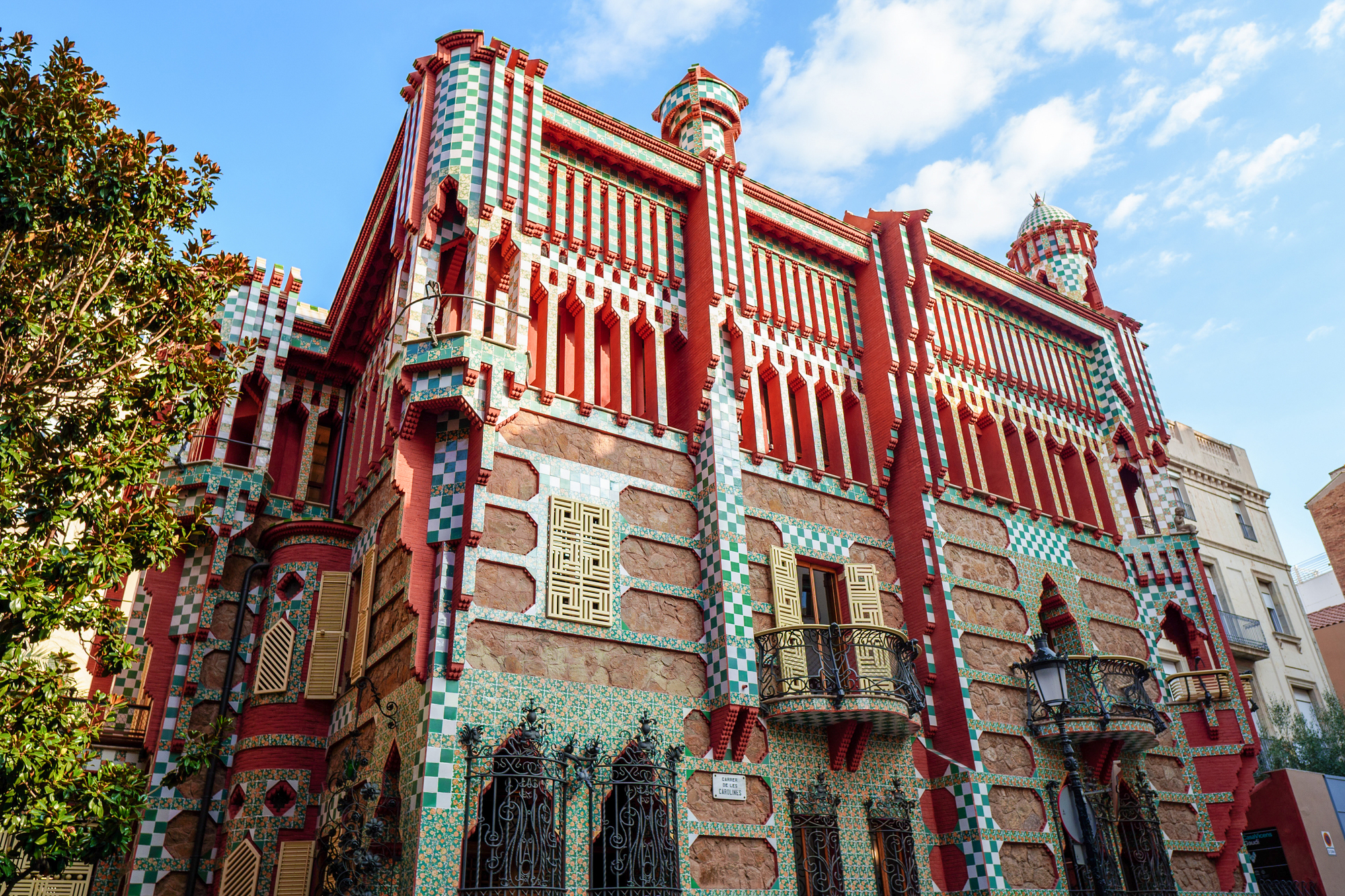
1. Casa Vicens (1883–85)
The first private residence designed by Gaudí. Built as the summer villa of financial man Manuel Vicens, this building features vibrant green and white checkerboard tiles and Mudéjar style (Spanish style influenced by Islamic architecture) decorations throughout. These works were still from a time when Gaudí was absorbing and digesting various styles, and their geometric beauty stands out, distinct from the later organic curves. This building, which still remains in Barcelona's Gràcia district, was registered as a UNESCO World Heritage Site in 2005.
2. The Gate of Villa Güell (1884–87)
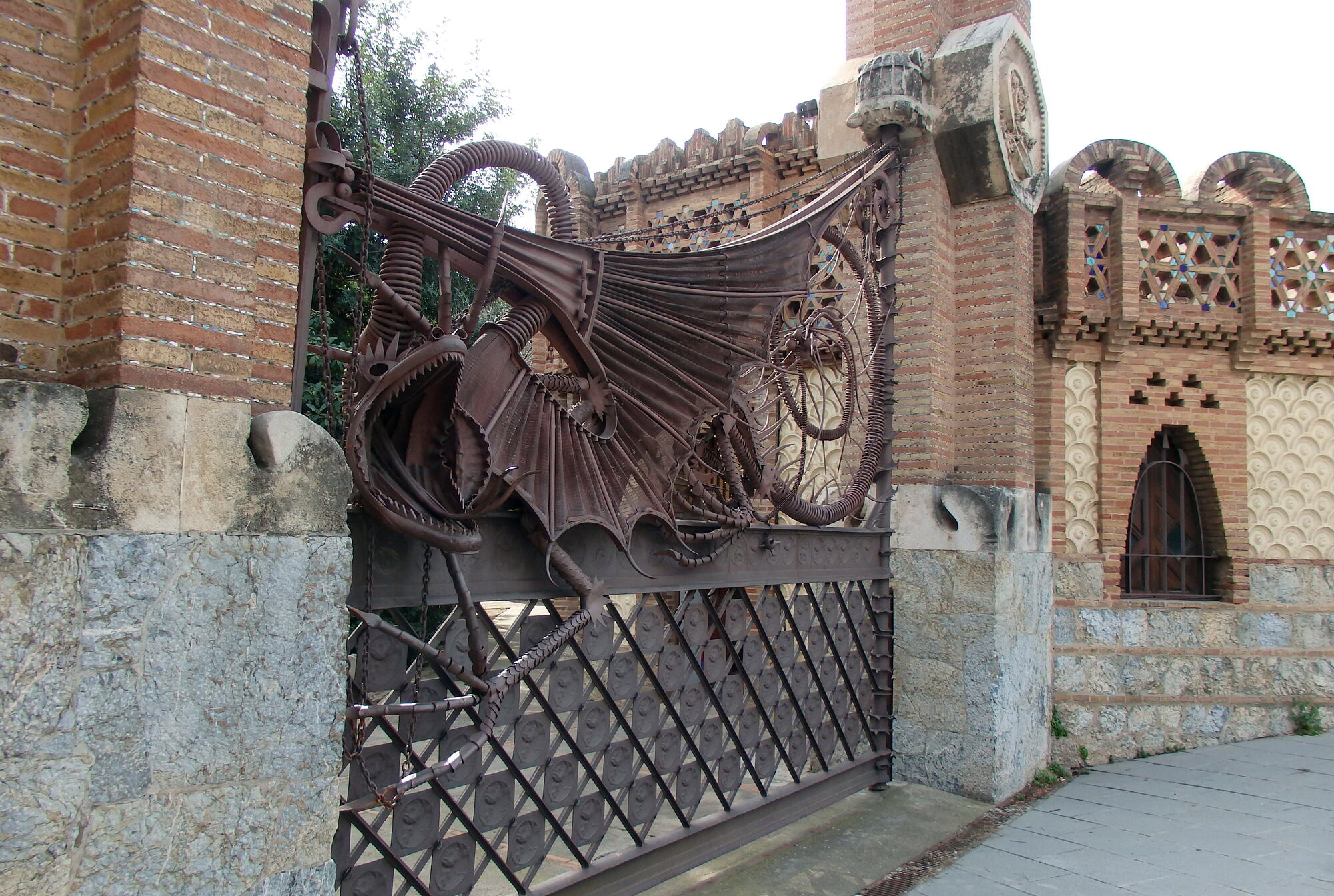
This is an iron gate installed at Güell's villa in the suburbs of Barcelona. This gate, where a dragon with outstretched wings was placed, was one of the first projects Gaudí undertook for Güell. The dragon sculpture, created by bending a thin iron bar, is full of vitality, and Gaudí's motifs of natural creatures are already evident here.
3. House Güell (1886–90)
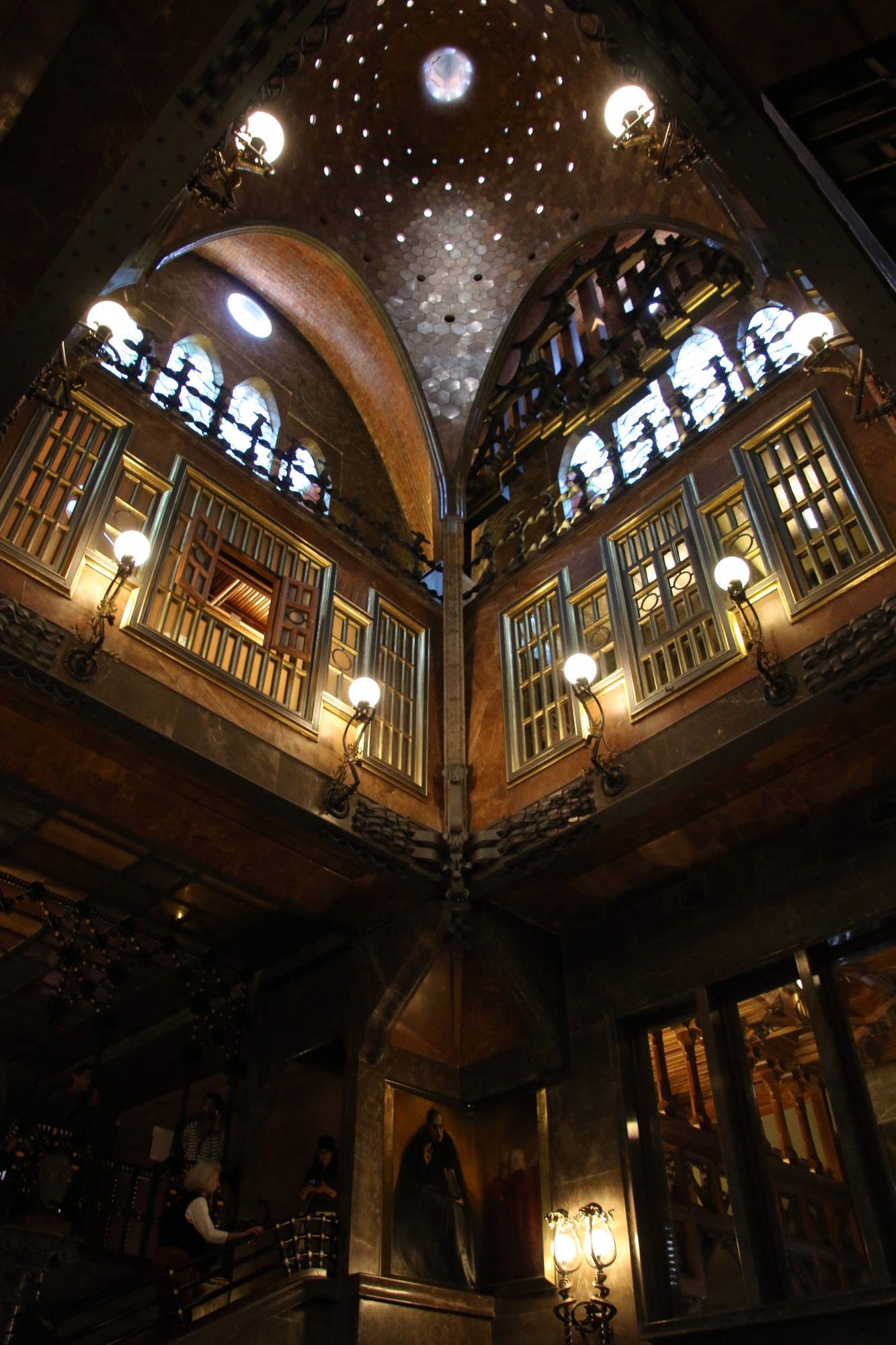
An essential part of Gaudí's life story is his encounter with his patron, Eusebi Güell. As a Catalan businessman with immense influence, Güell was quick to recognize the young Gaudí's talent and continued to provide generous support. Built for Güell in the heart of Barcelona, this mansion features a sturdy wrought iron façade and parabolic arches that run from the basement to the top floor. It can be said to be a monumental work where Gaudí truly blossomed as an architect.
4. Park Güell (1900–14)
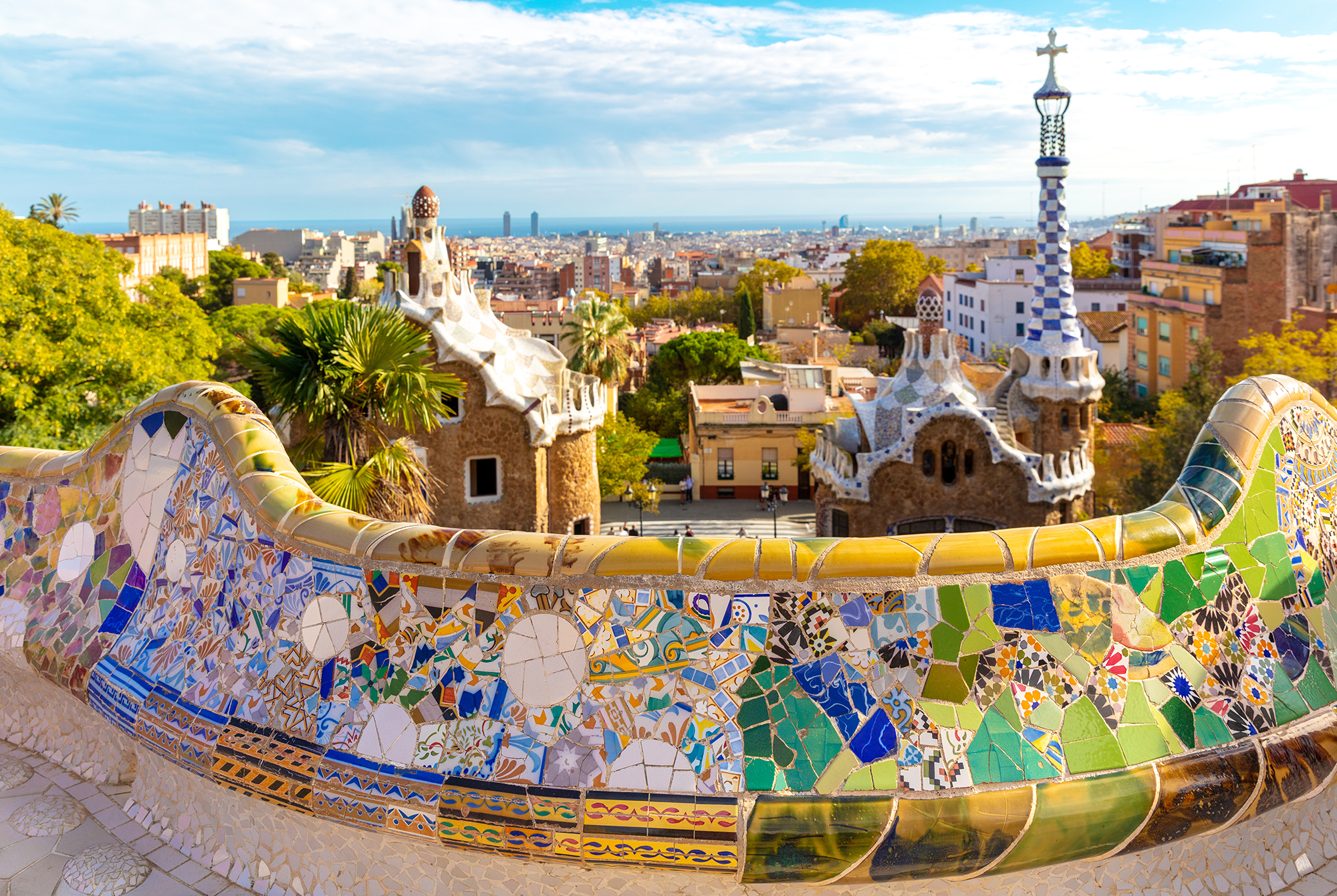
A large park on a hill created at Güell's request. Originally planned to be developed as a residential area of 60 plots, the plan was halted due to poor sales, and it was later donated to the city of Barcelona to become a park. Benches adorned with colorful mosaic tiles, colonnades lined with stone columns, and sculptures that spark children's imaginations—all are Gaudí's creation. The color scheme, said to be inspired by Japanese ukiyo-e, creates a unique atmosphere where exoticism and Mediterranean sunshine blend together.
5. Casa Batlló (1904–06)
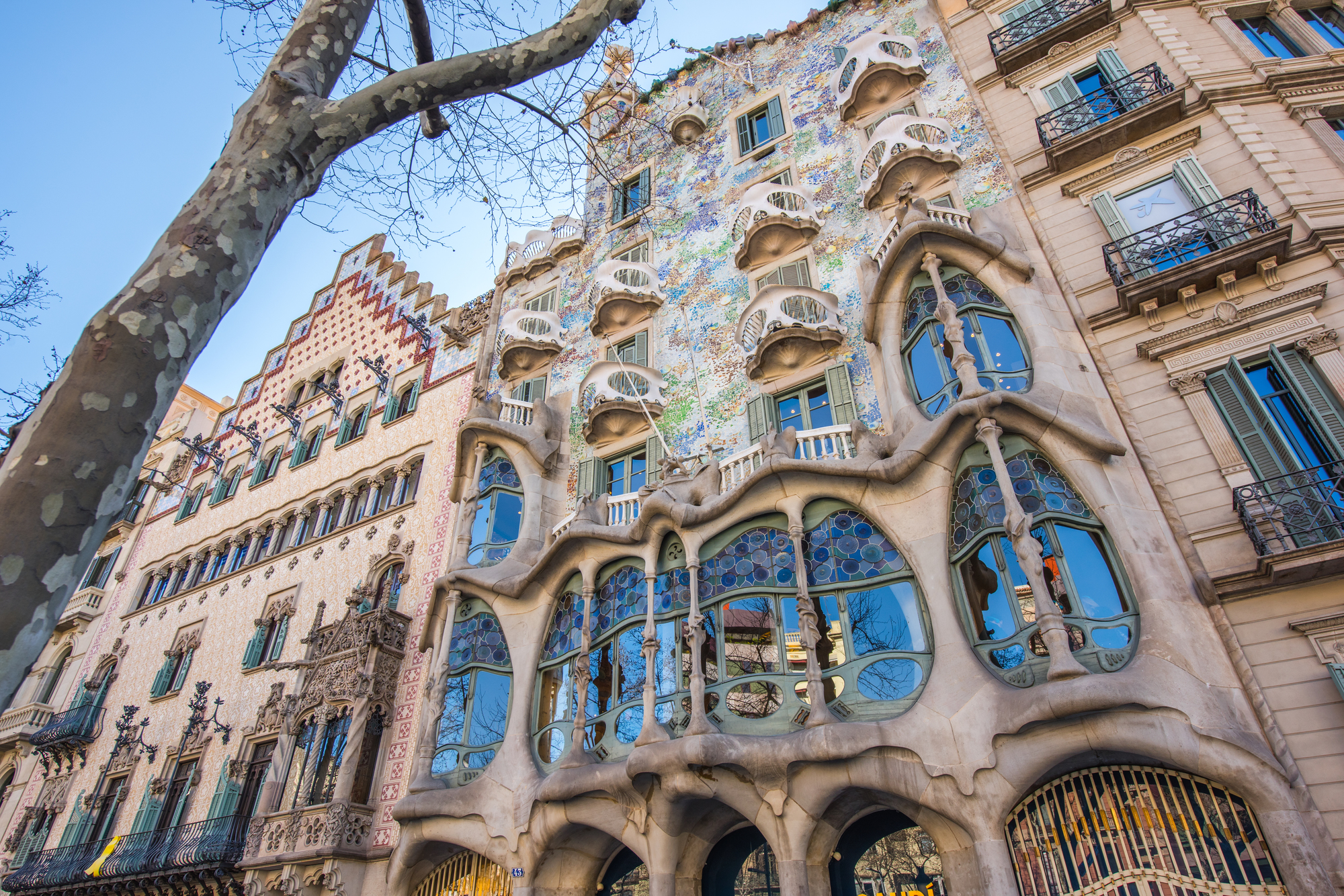
This apartment complex, created by extensively renovating existing buildings, is also called the "House of Bones." The facade is covered with curves reminiscent of sea creature skeletons and scales, and the balconies are shaped like masks. Inside, you'll be greeted by a gradient of blue and green, as if you're at the bottom of the sea, and the light from the skylights creates a mysterious deep-sea atmosphere. This is one of the works that most eloquently illustrates that Gaudí's architecture is not merely "outward eccentricity," but an art of the entire space experienced from within.
6. Casa Mila (1906–12)
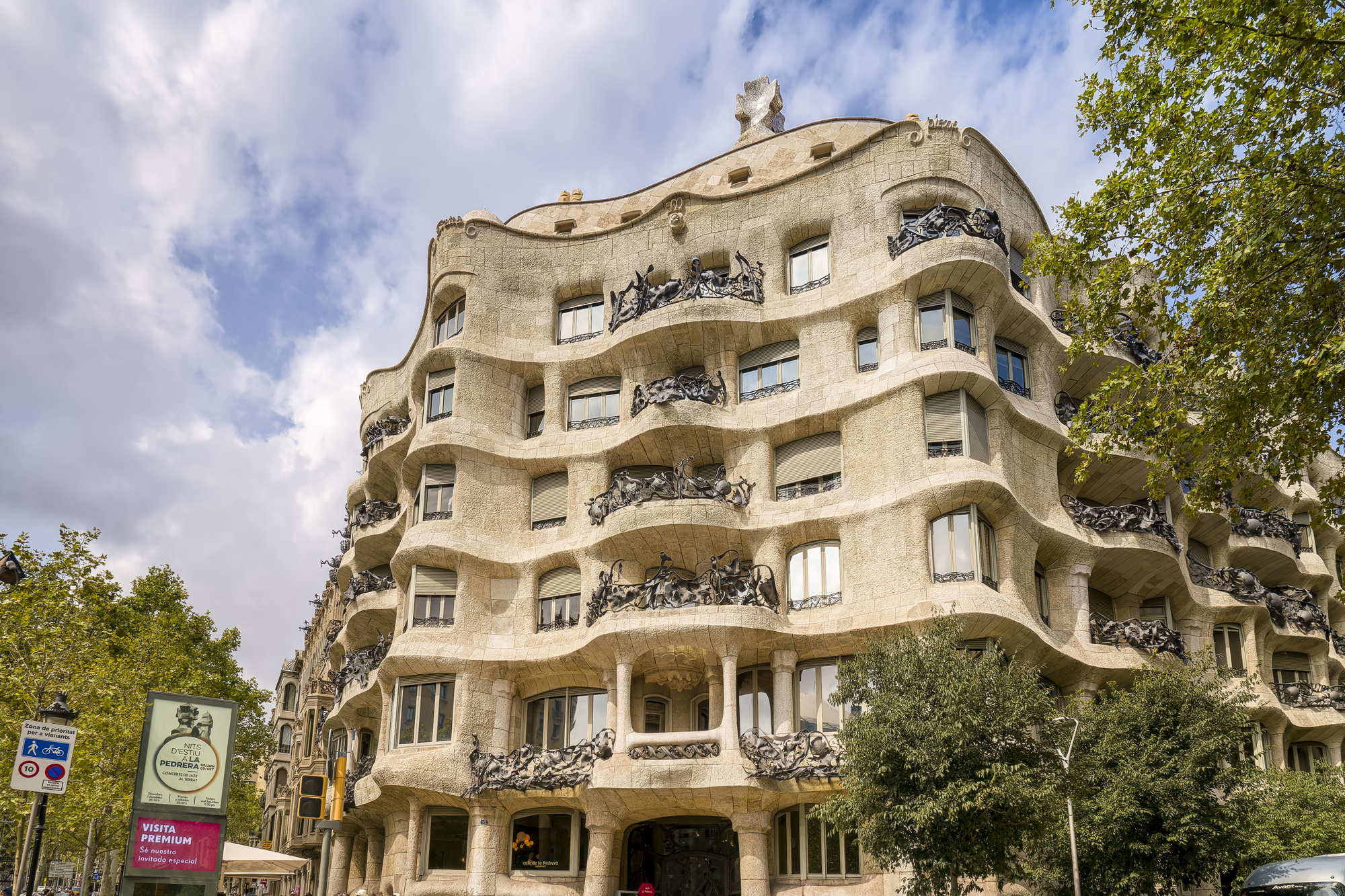
Known by the nickname "La Pedrera" (Quarry), this apartment complex was the last private residence Gaudí ever built. The undulating exterior walls have no straight lines, and the rooftop is dotted with oddly shaped chimneys and vents. While Barcelona citizens at the time mocked its bizarre appearance, modern architects hold deep respect for its rationality and pioneering nature. Gaudí's architecture may seem eccentric, but it actually makes perfect sense—this building is a prime example. It is still partially used as a residence today and is registered as a UNESCO World Heritage Site.
7. Colonia Güell Church Crypt (1908~17–)
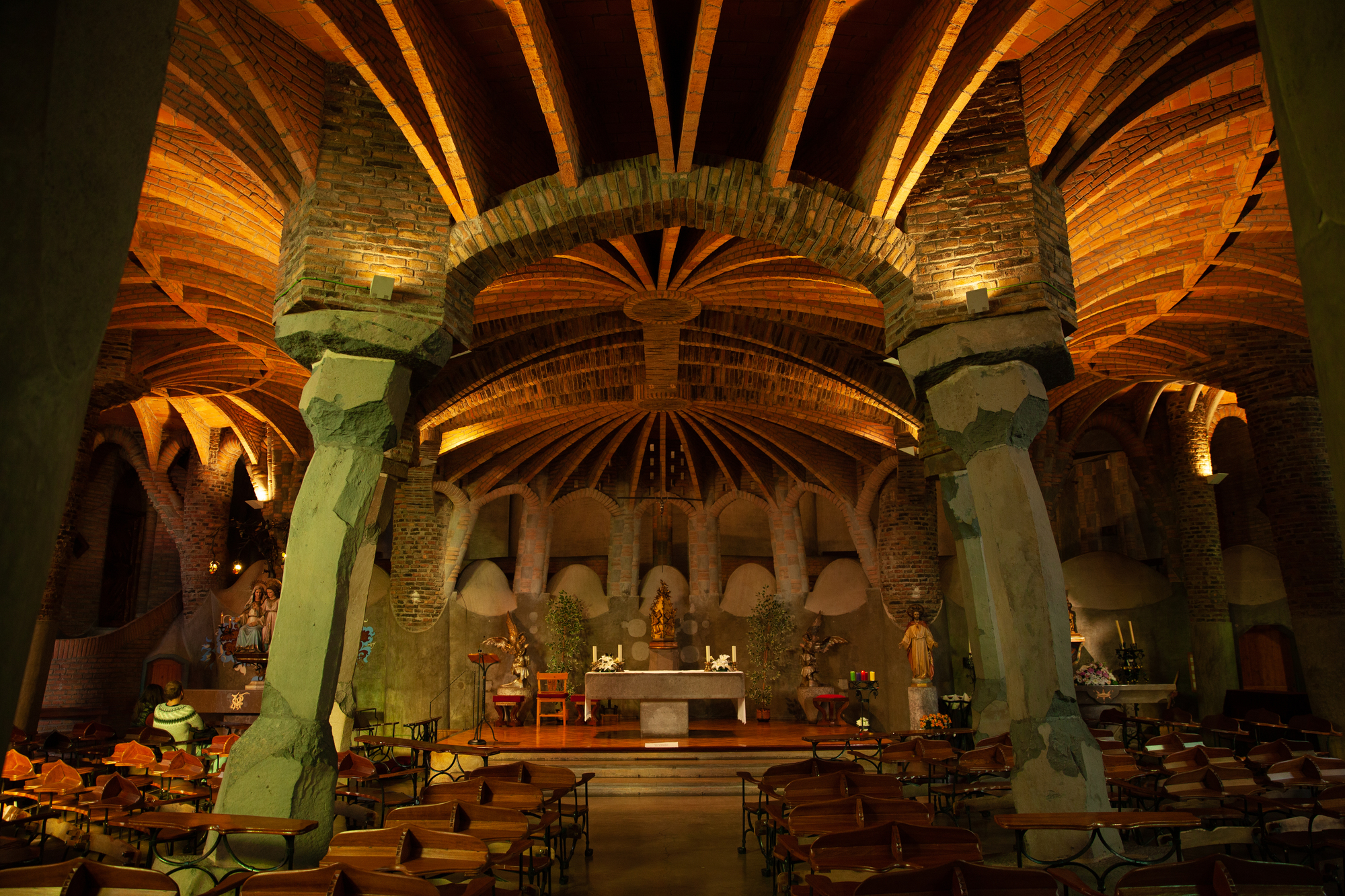
This church was built for the workers' community of textile factories run by Güell, located in Santa Coloma de Cerberho, a suburb of Barcelona. Only the crypt section was completed, but here Gaudí conducted serious experiments with structural calculations using the suspension line model. Known as the "experimental site of the Sagrada Familia," this building is extremely important for understanding the deepening of Gaudí's architectural philosophy.
8. El Capriccio (1883–85)
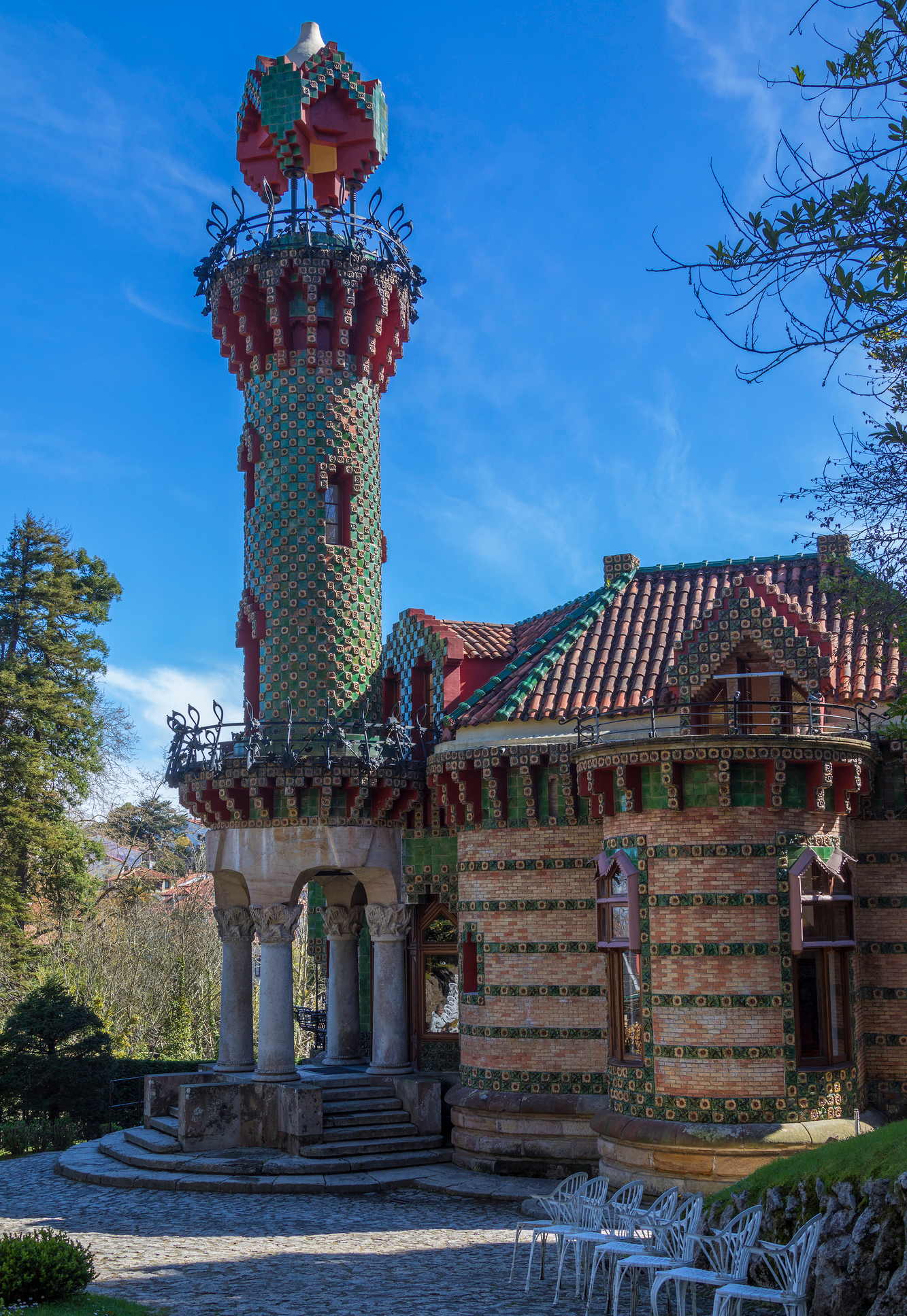
This is a summer villa in Comillas, Cantabria, northern Spain, commissioned by Gaudí for the Marquis of Comillas for his relative Maximo Dias de Chijano. This Is Gallery is a Mudéjar building representing Gaudí's early period, featuring a cylindrical tower decorated with sunflower-inspired ceramic tiles on its exterior walls. Stained glass features animals playing musical instruments, showcasing unique expressions that fuse music and architecture.
9. Sagrada Familia (1883–)
The culmination of Gaudí's life, to which he devoted 43 years. The "Nativity Facade," the "Passion Facade," and the "Tower of Jesus Christ" to be unveiled in June 2026—after 144 years, this architecture continues to evolve today. Once completed, 18 towers will rise into the Barcelona sky. The tallest tower, the Jesus Christ Tower, stands at 172.5 meters. On the day all the towers are completed, the prayers Gaudí carved into stone will finally reach heaven in their complete form.
10. Casa Botines (1891–92)
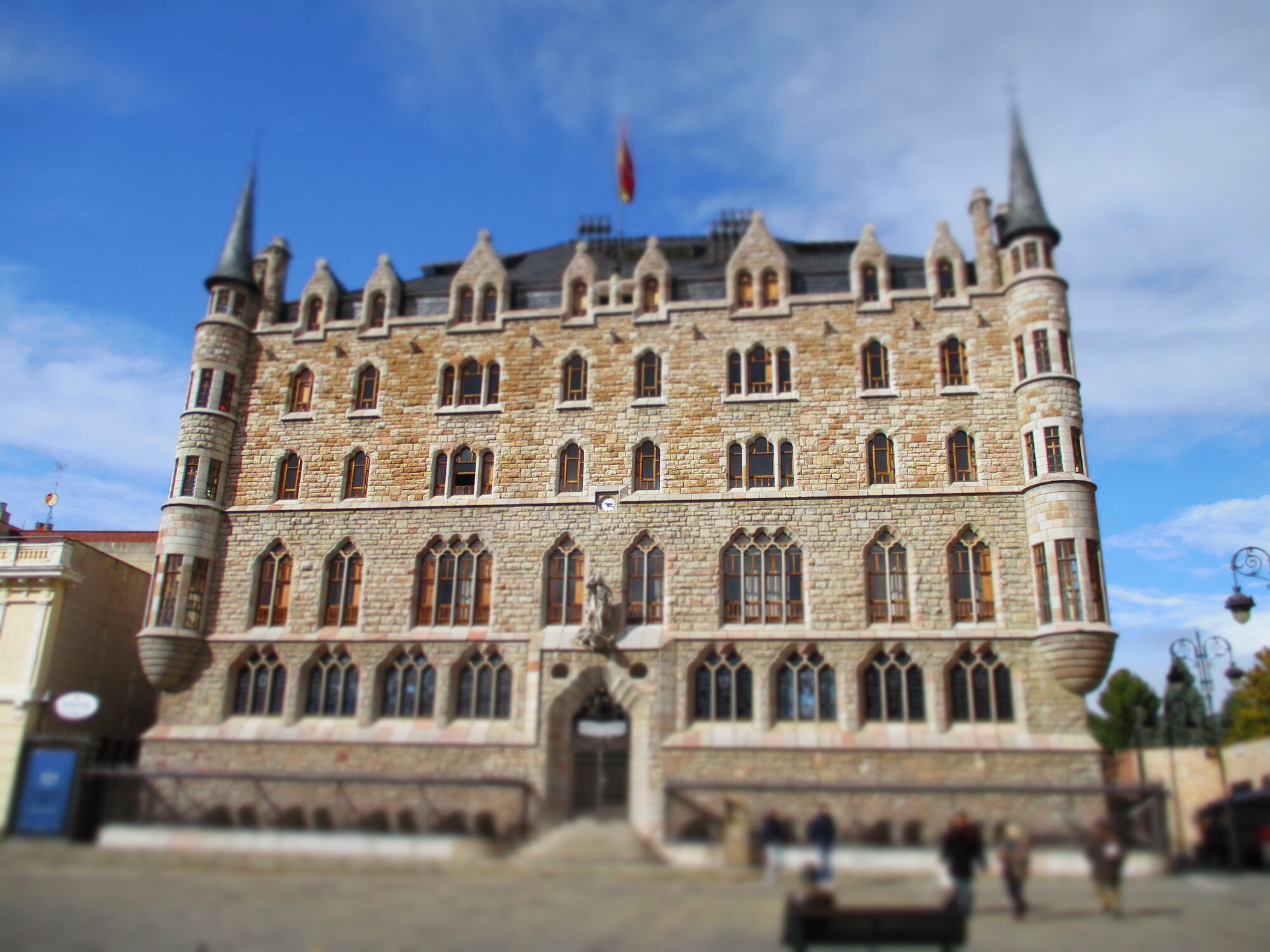
It was born when owners of a company that bought fabric from Güell commissioned Gaudí to construct a warehouse in León, Castile and León, Spain. It is currently used as the headquarters of a local savings bank. Gaudí wanted to pay tribute to Leon, designing it with a medieval atmosphere and many features of Neo-Gothic style. Four towers are placed at the corners of the building, emphasizing a neo-Gothic feel. There is also a romantic anecdote that during restoration work in 1950, a lead tube containing Gaudí's original plan and newspaper clippings from that time was discovered beneath the sculpture.
Gaudí once said this.
"To be original is to return to the roots."
The tower, which has reached heaven for over a hundred years, quietly asks us. —What do you truly believe in?
In 2026, marking the 100th anniversary of Antoni Gaudí's death, his masterpiece, the "Tower of Jesus Christ" at the Sagrada Família, will finally be completed. Revering nature as his teacher and pursuing his own unique structural mechanics, Gaudí devoted the latter half of his life to faith and the construction of the church. Overcoming the destruction of blueprints and financial difficulties caused by the civil war, their spirit is firmly passed down to modern technology and its successors. After 144 years, the tower reaches the heavens, and can be said to be the crystallization of prayers given by one architect to God and future generations. The next issue is the "Special Feature on Artists Featured in Nihonbashi Art." Please look forward to it.