

The Blue Miracle Woven by Living National Treasure Fukumi Shimura
—The Abyss of 'Indigo Dyeing,' the Life of Plants
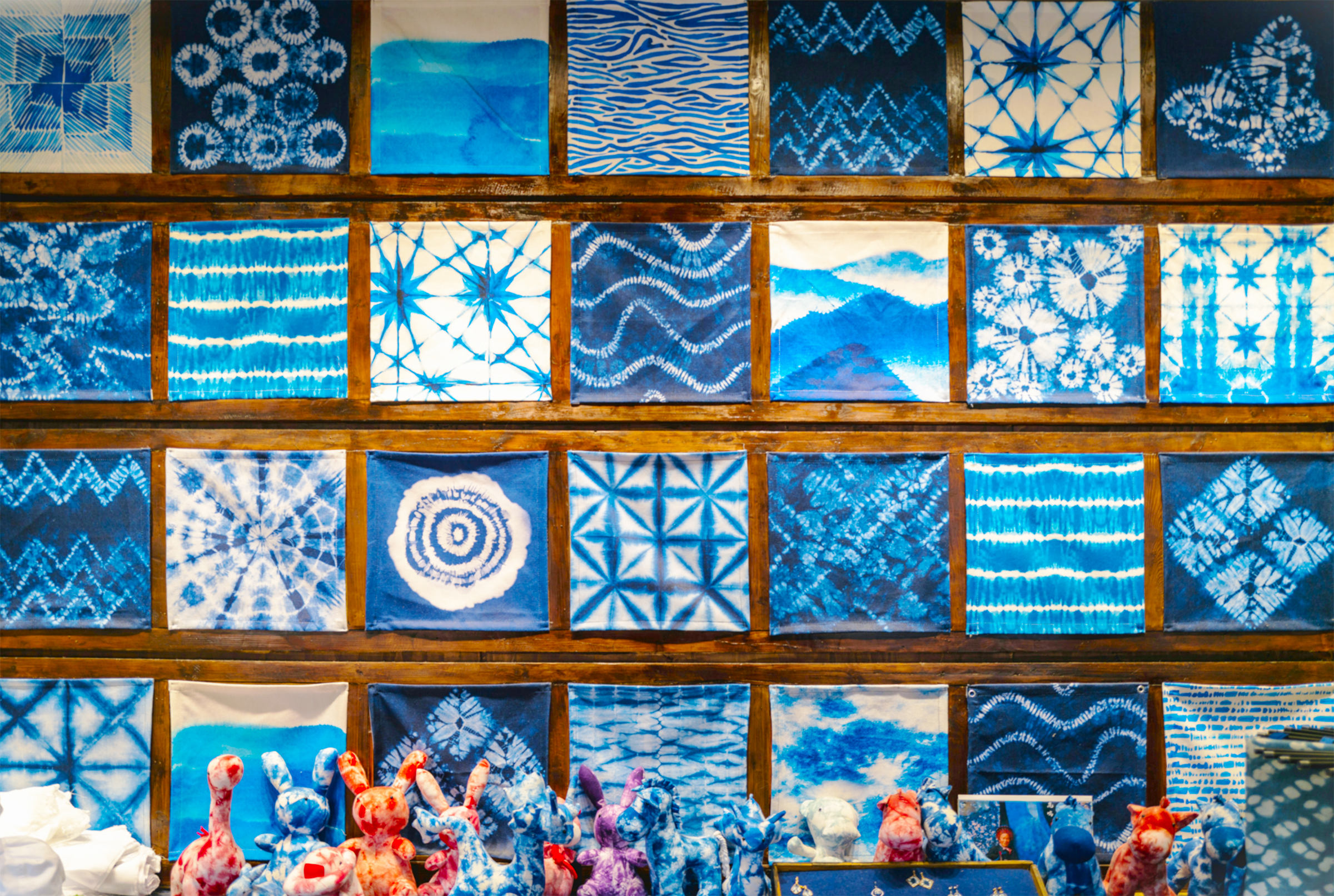
Japan's blue, which has colored our lives
A deep and quiet blue known as 'Japan Blue.'
Its soft blue color remains symbolic even today, and it has been cherished for so long that textiles believed to have been dyed with indigo have been passed down even in the Shosoin.
Its colors have long been closely associated with Japanese life, such as clothing, noren curtains, and tenugui (towels). However, the "indigo" we see is only one form of indigo. Indigo originally begins with a single leaf. Plants are nurtured, leaves are harvested, and fermented. Only after that time is dye finally born. Furthermore, through dyeing hands, the fabric takes on deep colors and transforms into everyday tools such as clothing, noren curtains, and tenugui (hand towels). From plants to dyes, dyes to products. Each step breathes life with the changing seasons, human hands, and inherited wisdom. Following the craftsmanship and time accumulated before a single color is born, the indigo itself is gradually revealed.
1. What is indigo—The plant that produces 'blue'
Indigo dyeing refers to dyeing fabrics or threads indigo using plant-derived dyes. Various plants are employed as a method that utilizes the pigment 'indigo,' which is the basis for indigo, and since the indigo content and dyeing methods differ depending on the plant, the resulting shades also differ.
Also, the leaves do not turn blue in their natural form and do not dissolve in water as is, which is a distinctive feature. After months of effort from sowing the seeds to becoming dye, the indigo-dyed dye solution is completed. Even in the dye state, the vivid indigo color is not yet visible; only when the fabric is soaked in the dye and lifted, exposed to air and oxidized, does the blue color appear. By layering this dye, it transforms into a deep indigo, allowing for a wide variety of expressions.
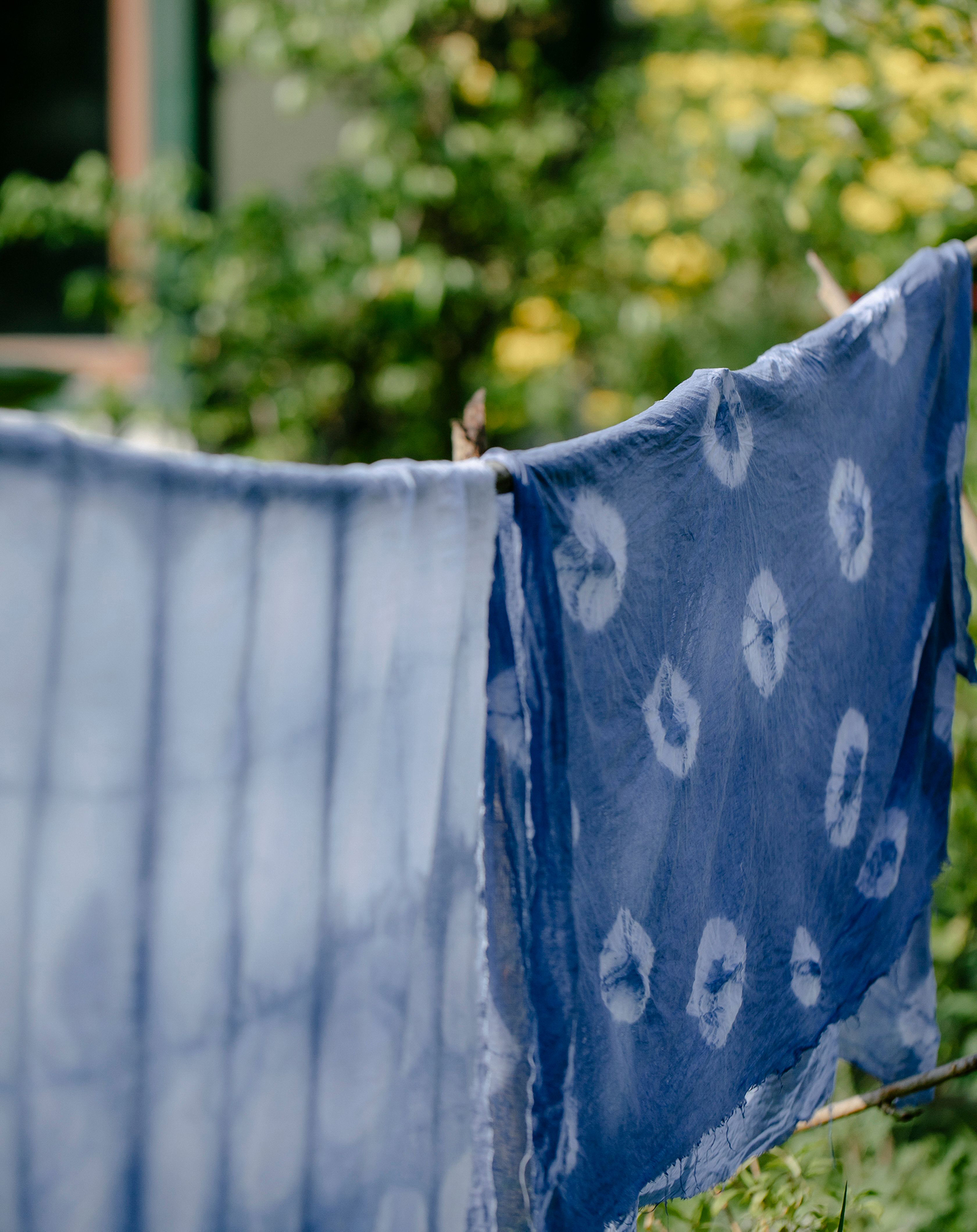
The Japanese and the Sensibility of Blue Seen in the 'Forty-Eight Shades of Indigo'
There is a phrase called 'forty-eight shades of indigo.' Although it is called 'indigo,' layering the dyeing means there are different types of indigo colors. When you look up what colors actually exist, the first number that comes up is '48.' However, as mentioned earlier, the color is created by repeatedly soaking the fabric in the dye solution and exposing it to air to oxidize, resulting in rich hues without clear standards.
In addition to the Buddhist forty-eight vows, the name also refers to the many shades of tea and mouse, as well as the many techniques listed in sumo techniques. The term 'Indigo Forty-Eight Colors' is not limited to the actual number of colors but has been cherished for various shades. This is similar to the fact that the greengrocer's 'Yaoku' selling vegetables does not translate directly to '800 kinds of vegetables.'
Although indigo dyeing expresses such diverse shades of blue, there are also shades so familiar that there are many stories. The color "kamenokiki" (锕noki:kamenoki) is a faint, pale blue, which is known to be a famous origin from the likeness of a container containing dye called "indigo jar" to "just a little peek." "Asagi (asagi)" literally means shallow green onions, which translate from the background of the time as "the color of light green onion leaves." There is also a color called "water green onions," which was further "diluted with water." As seen from the anecdote that Lafcadio Hearn was amazed by the diversity of indigo, it shows that rather than simply processing indigo, Japanese people recognized and loved exquisite colors, naming them.
2. The 'Blue' Surrounding the World—Ward and Ai
"Indigo dyeing" was by no means a method unique to Japan. In England, where Robert William Atkinson described it as "Japan Blue," and Lafcadio Hearn, who described Japan as "a country filled with a mysterious blue," spent his childhood in Ireland, "indigo dyeing" also existed. So why were they so strongly impressed by Japanese blue? One reason is that, compared to the European societies where they had lived before, indigo dyeing was widely embedded in people's daily lives in Japan.
"Blue" comes from plants
In Japan, dyes are processed from the polygonaceous plant "Polygonum tadei," while in Europe, dyes are processed from the cruciferous plant "ward." Ward has a low indigo content, requires a large number of leaves, and tends to have lower color intensity. To explain in more detail, in polygonum tade, indigo is produced through hydrolysis and oxidation using indican as a precursor, but in ward, multiple components such as Isatan are involved, so the chemical process leading to dyeing differs.
Why was the 'noble blue' born?
One is the difficulty of obtaining it. Just as blue mineral pigments were precious in Japan for painterly pigments, blue was also valuable in 17th-century Europe. Since ancient times, blue has been much harder to obtain for vivid pigments compared to red or yellow. Today, ultramarine is known by name by paint set, but when Europe during the Edo period was considered the 17th century, "natural ultramarine," made from crushed Afghan lapis lazuli, was extremely vivid and extremely expensive, and was considered the finest blue in painting.
Other types included azurite (copper ore) and smalt (glass), but they also had drawbacks such as discoloration and fading over time. This rarity also led to blue gradually being treated as a special color representing important figures and sacred scenes.
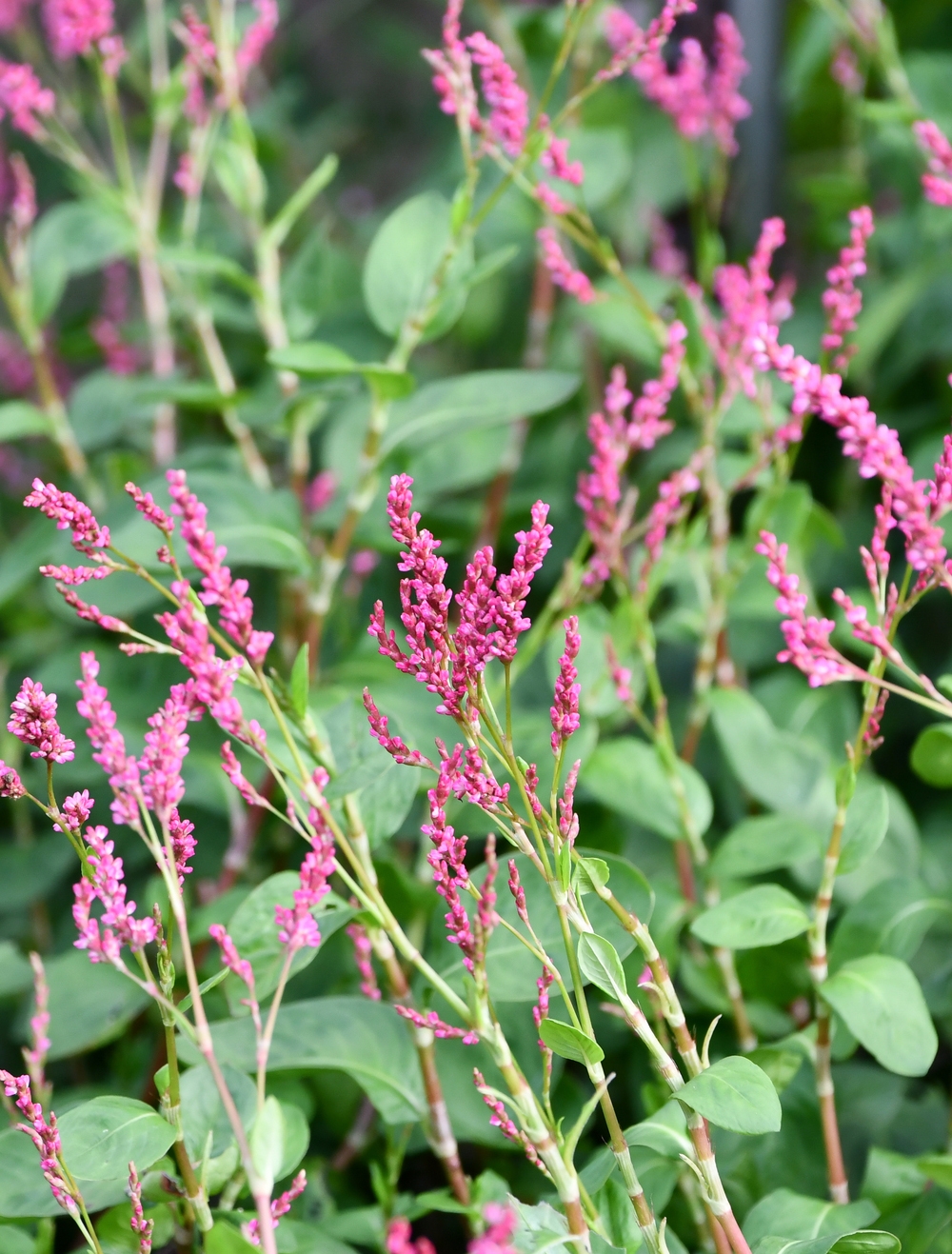
Polygonum stupori
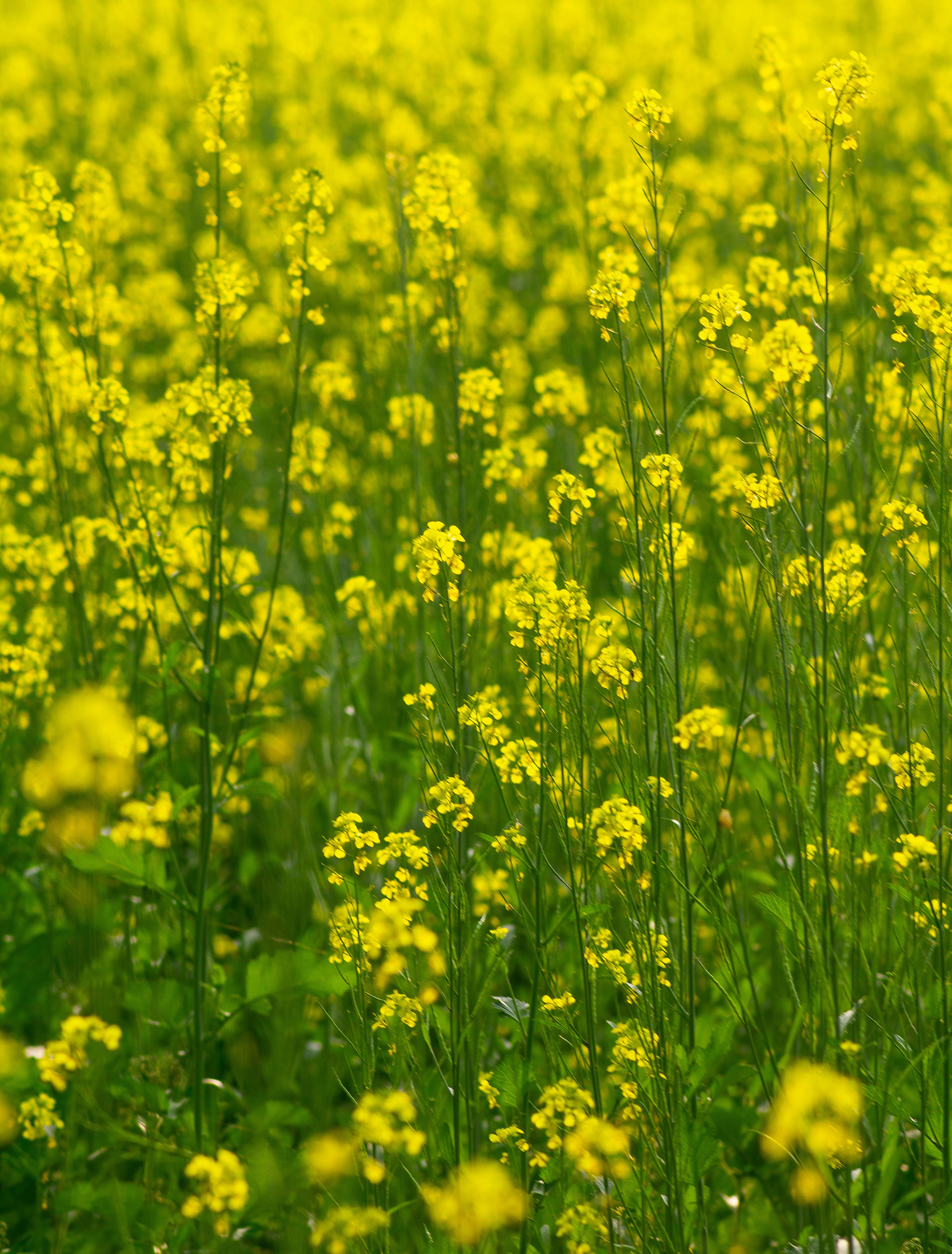
Ward
For example, when you look at the "Virgin Mary," you might notice the blue garment.
While this expensive and rare blue held special meaning in painting, at the same time in Japan, blue dyed with indigo was widely embedded in the daily lives of Edo people, such as clothing and daily necessities. The impression of 'blue' they found in Japanese landscapes and daily life may have been born from these cultural differences.
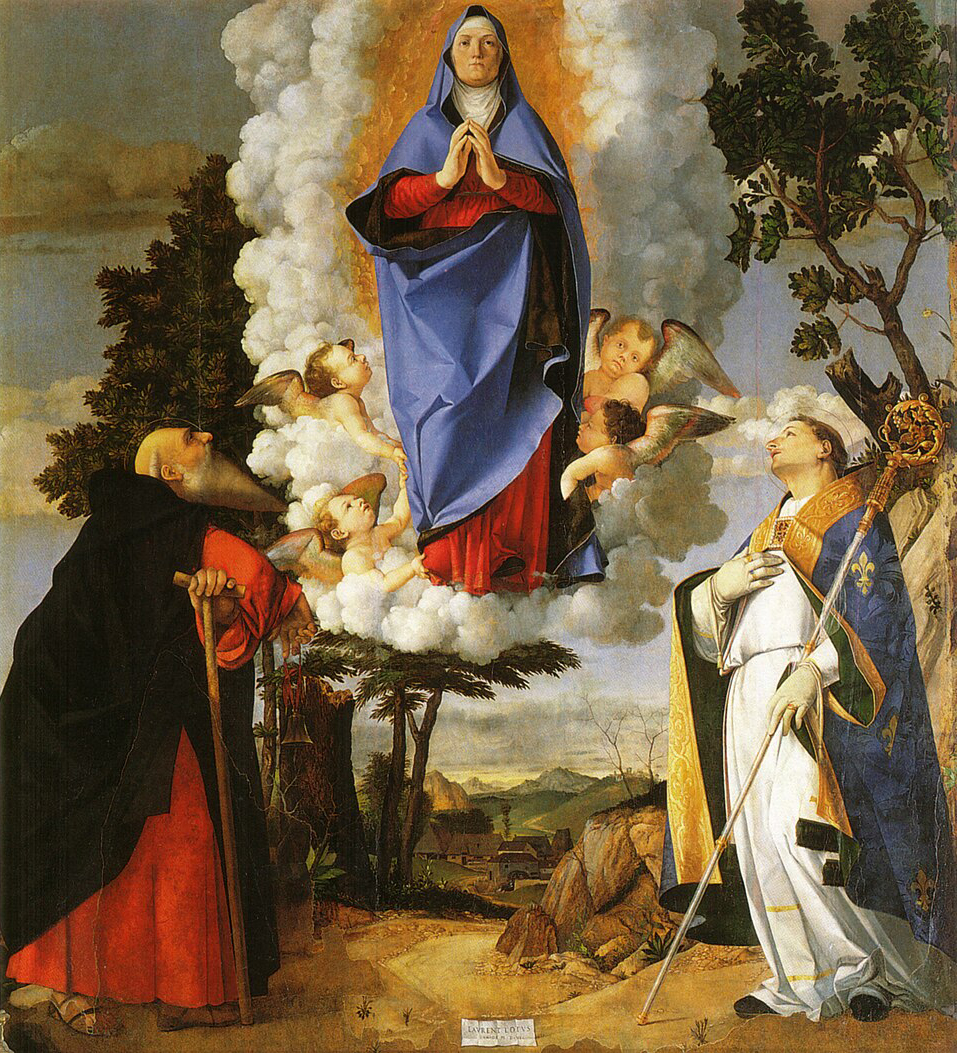
"Altarpiece of Azzolo"
Lorenzo Lotto
3. The People Who Made a Living from Indigo—Techniques Inherited from the Indigo Shop
Why did people in Edo wear indigo-dyed clothing? This was closely related to the situation in Japan at the time.
In Kan'ei 19 (1642), laws warning against luxury were enacted, and the shogunate began to demand clothing and lifestyles suited to social status. While these regulations repeated, cotton production and distribution developed during the Edo period, increasing its importance as clothing for commoners. Furthermore, in Genroku 1 (1688), the "Prohibition of Extravagant Clothing" was issued, and in the following year (Genroku 2, 1689), the "Clothing Law" was further enacted, strengthening regulations on clothing.
Against this historical backdrop, indigo, which paired well with hemp and cotton, became widely loved as cotton rapidly spread. During the Edo period, the production, processing, and distribution of indigo developed, and in some regions, it grew into a major industry. Although there were differences by region, the process was divided among farmers cultivating indigo, indigo masters who made indigo and indigo beads from leaf indigo, and indigo shops who built dye liquids from agari to dye fabric.
Indigo dyeing was not completed by the indigo shop alone; even the farmers who grew the indigo had to harvest the leaves, dry them, ferment them, and go through a lot of effort before becoming the dye. Sukumo production is also an important step in bringing out the color of indigo. It was precisely because of the people responsible for this work that the indigo dyeing was able to continue stably. The spread of indigo dyeing was supported not only by artisans but also by the people who connected production and dyeing.
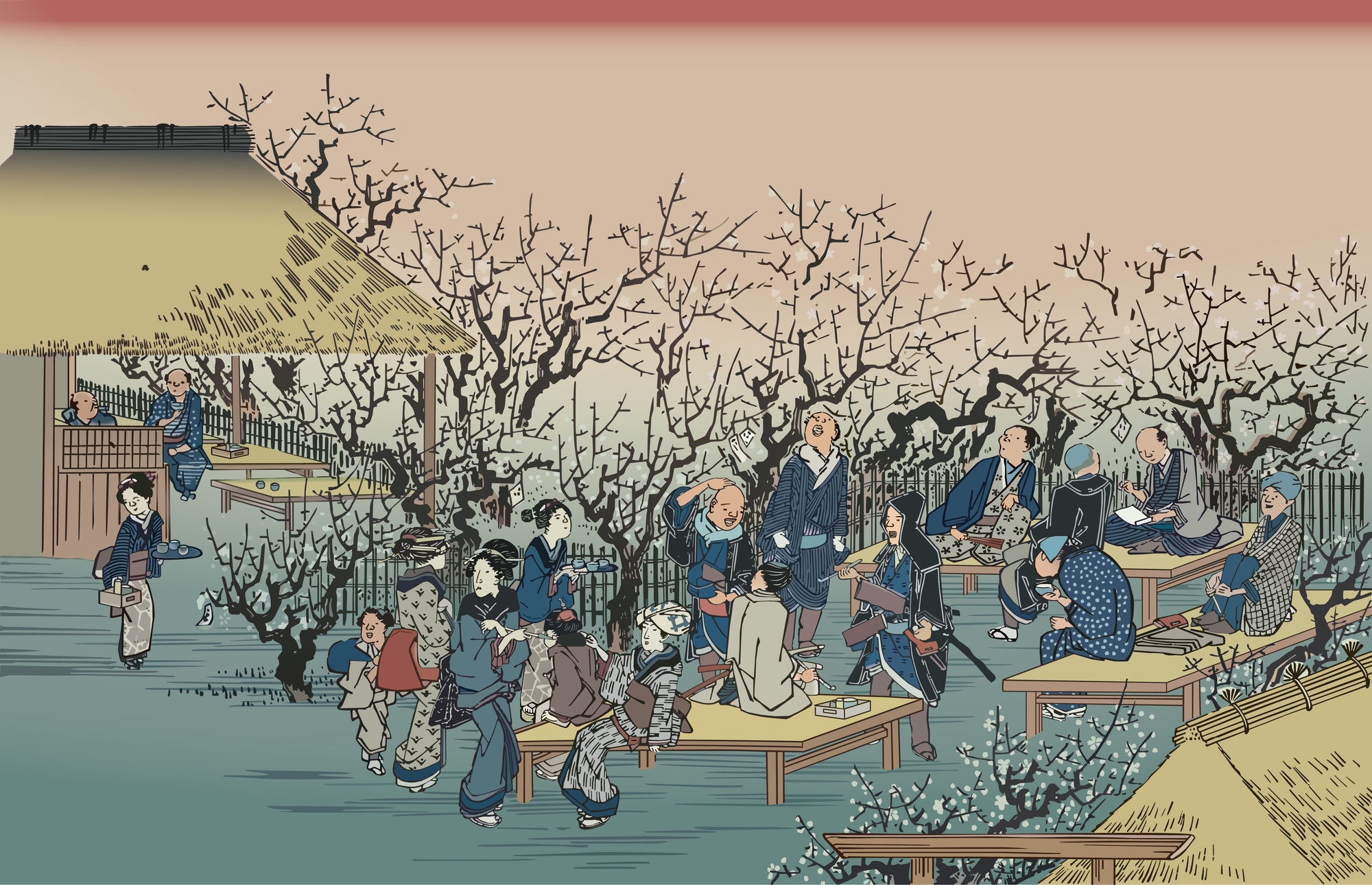
Edo Period
"Tohto Famous Spots: Kameido Umeya Shop Map"
The Edo Trend Created by 'Konya'
Around 1600, during the Keicho era, under Tsuchiya Goroemon, the indigo shop owner who was authorized by Tokugawa Ieyasu to purchase indigo from all around the Kanto region, his subordinate dyeing craftsmen gathered, and eventually a kinyamachi (blue shop) town was formed in Kanda.
Yukata and tenugui dyed in Kanda Konyamachi were loved by the people of Edo, to the point that it was said, "You can tell the year's trends just by visiting Konyamachi." Konya didn't just dye fabric indigo. They adjusted color shades to order and distinguished patterns, requiring dyeing tailored to their needs and preferences. From everyday items like yukata and tenugui to the hanten worn by merchants and artisans, the work of konya was present in various aspects of daily life. For townspeople, konya were also craftsmen who supported their daily lives. That is why indigo dyeing was not only about the skill of dyeing clothes, but also about the craftsmen creating Edo's clothing and creating trends. The sight of dyed fabric being dried in town is no exaggeration to call it the scenery of Edo.
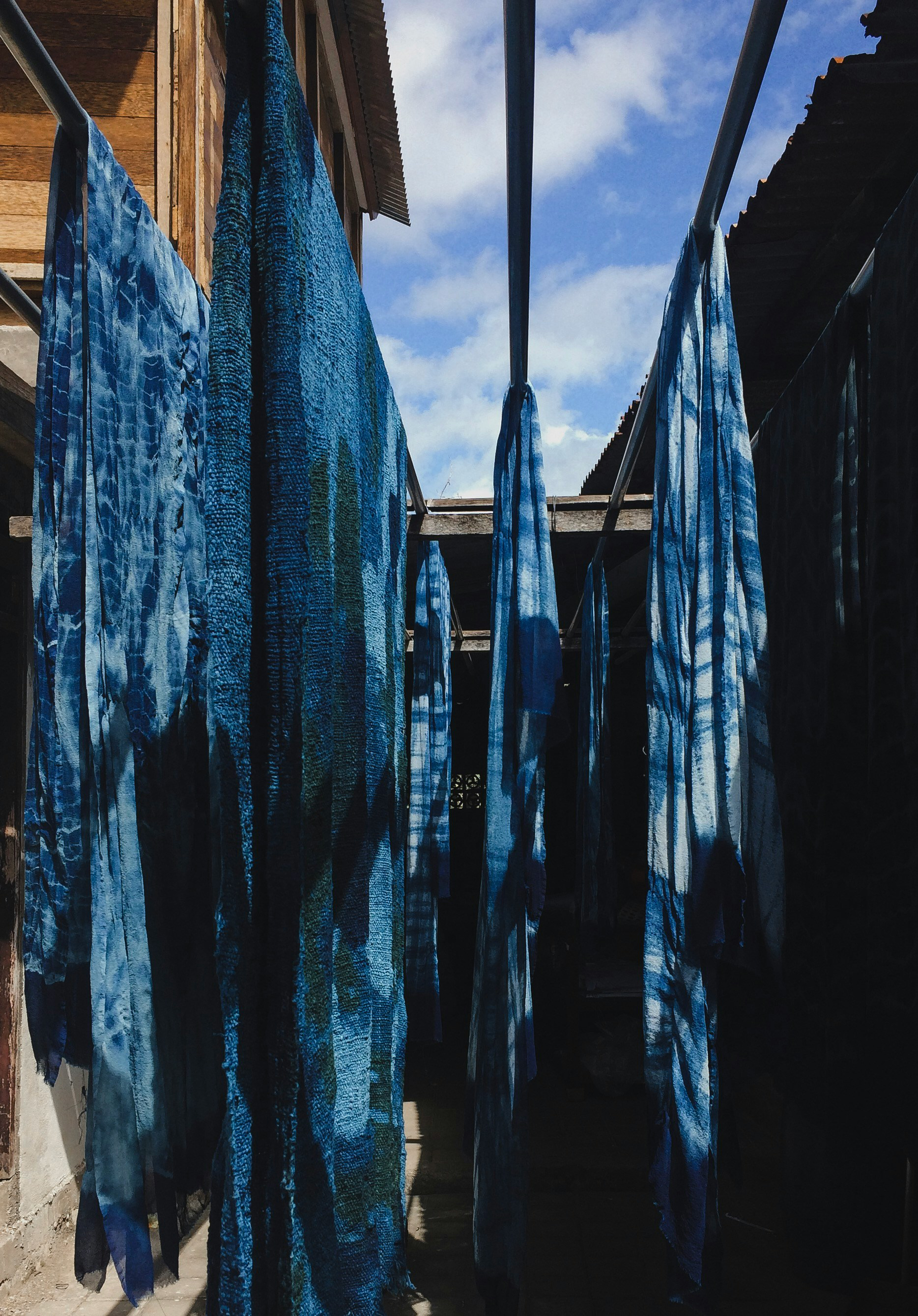
There is someone to inherit it, and Ai's technique endures.
Even as times changed and chemical dyes became widespread, some artisans still preserved traditional techniques. At the indigo dyeing shop 'Ebiya' in Negishi, Tokyo, traditional in-hantan dyeing using indigo jars buried underground is preserved. Gardens, workshops, drying areas, and indigo jars buried underground remain preserved as valuable artifacts that preserve the former workshops of the indigo shop. Considering that in-hantonzome dyeing (shirushiban tenzome) was a technique that used to make items like hanten with the shop name or other seals, which are like modern uniforms, it shows just how highly valued it was.
Even today, with the development of chemical dyes, indigo is loved for reasons such as its cultural value, durability, practicality, unique depth and shade, and the color changes unique to natural dyes over time. From the color immediately after dyeing, the color gradually changes with use, and the texture develops along with the wearer's lifestyle. Even with the same indigo dyeing, the color varies depending on the number of dyes and the material, showing a variety of expressions from deep navy to pale blue. Because it is clothing used daily, that change was also part of the enjoyment. The history of indigo dyeing is not only the history of color, but also the history of people who passed their skills on to the next generation.
Tsumugi weaving mastered by Living National Treasure Fukumi Shimura
— Turning everyday textiles into art, unique dyeing and weaving expressions seen in indigo
Indigo, called the "source of life" by masters of the dyeing and weaving world. It delves into the mystery of life breathing inside a jar and the pinnacle of art woven through unique tsumugi weaving
Durable and rustic everyday garments from rural areas. That was the original form of tsumugi. However, there was a person who transformed this practical textile into a supreme work of art. This is Fukumi Shimura, Living National Treasure.
She began her career in dyeing and weaving in earnest at the age of 31. Guided by her mother, she encountered plant dyes and tsumugi thread, and eventually became immersed in their endless expressive colors.
Among these, what deeply captivated and sometimes overwhelmed her as she mastered her unique tsumugi weaving was the presence of indigo, which transforms like a living creature. It delves into her journey from a late-blooming start to a master of dyeing and weaving, and the unique world of beauty she discovered in indigo.
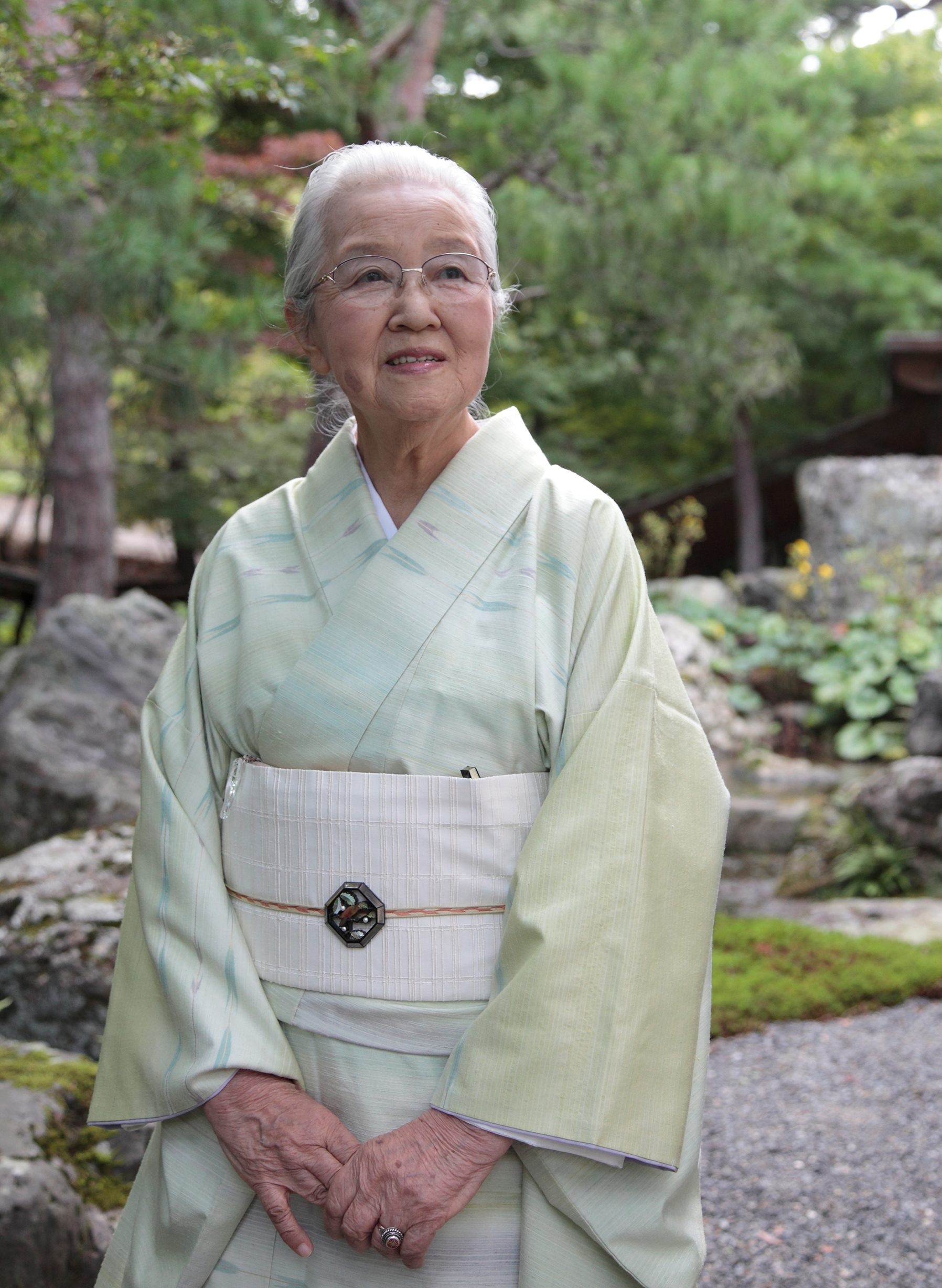
Fukumi Shimura
Indigo farmers carefully nurture the leaves, indigo masters carefully ferment to create 'sukumo,' and indigo shops build indigo to dye the fabric. For a single piece of fabric to be coated with deep indigo, it takes the power of nature, the hands of many artisans, and an incredibly long period of time.
This indigo is not just a practical dye used to color everyday tools. By dyeing a single thread inspired by the life of plants and trees, and weaving that thread, she expresses the natural scenery before her eyes and the very memories deep within people. The dyeing and weaver who pursued these infinite possibilities is Fukumi Shimura, a Living National Treasure.
Once a rustic everyday garment that supported rural life, "tsumugi" transformed into the supreme art of modern dyeing and weaving through Shimura's exceptional hands and sensibility. One of the colors that symbolizes this endless journey of exploration is indigo, which is like the source of life.
1. Introducing color expression to tsumugi, once a fabric for daily life.
Tsumugi weaving originally came from cloth woven with mobile phones as personal clothing in rural villages across Japan. It was a durable and simple textile designed for daily life. Since modern times, it has been the work of dyeing and weaving artists who brought color expression and personal aesthetic sensibility into tsumugi, pioneering its artistic value. Fukumi Shimura can be considered one of the representatives of this movement.
Born in Shiga Prefecture in 1924, Shimura began full-scale weaving using plant dyes and tsumugi thread at the age of 31 under the guidance of his mother, Yutaka Ono. In 1957, he exhibited for the first time at the Japan Traditional Crafts Exhibition and was selected. The following year, in 1958, he presented 'Autumn Mist,' which used only indigo as a dye and received the Encouragement Award.
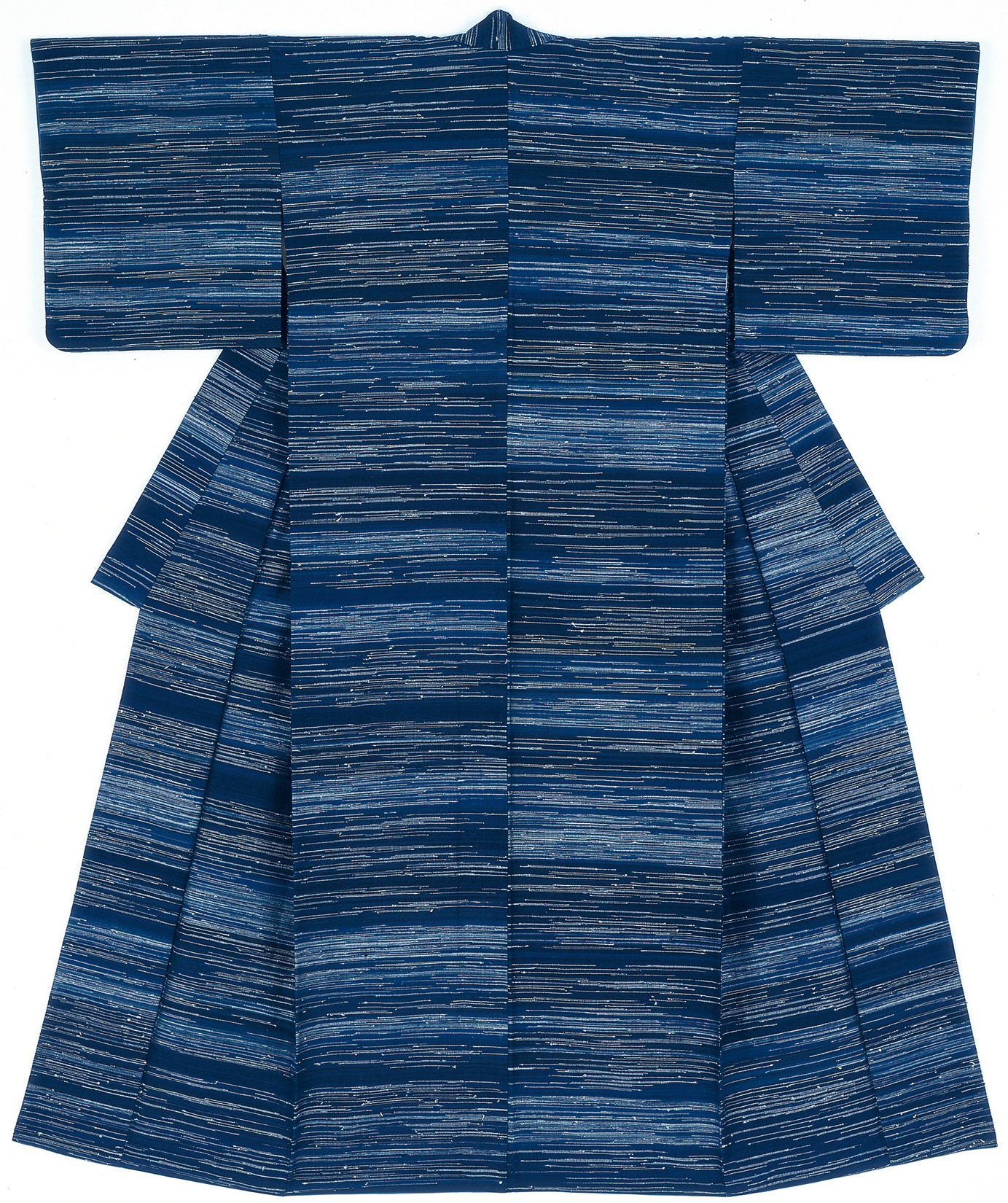
"Akikase" Fukumi Shimura
1958 Dye: Blue
2. Blue Born from Thread—Indigo Expression in 'Autumn Mist'
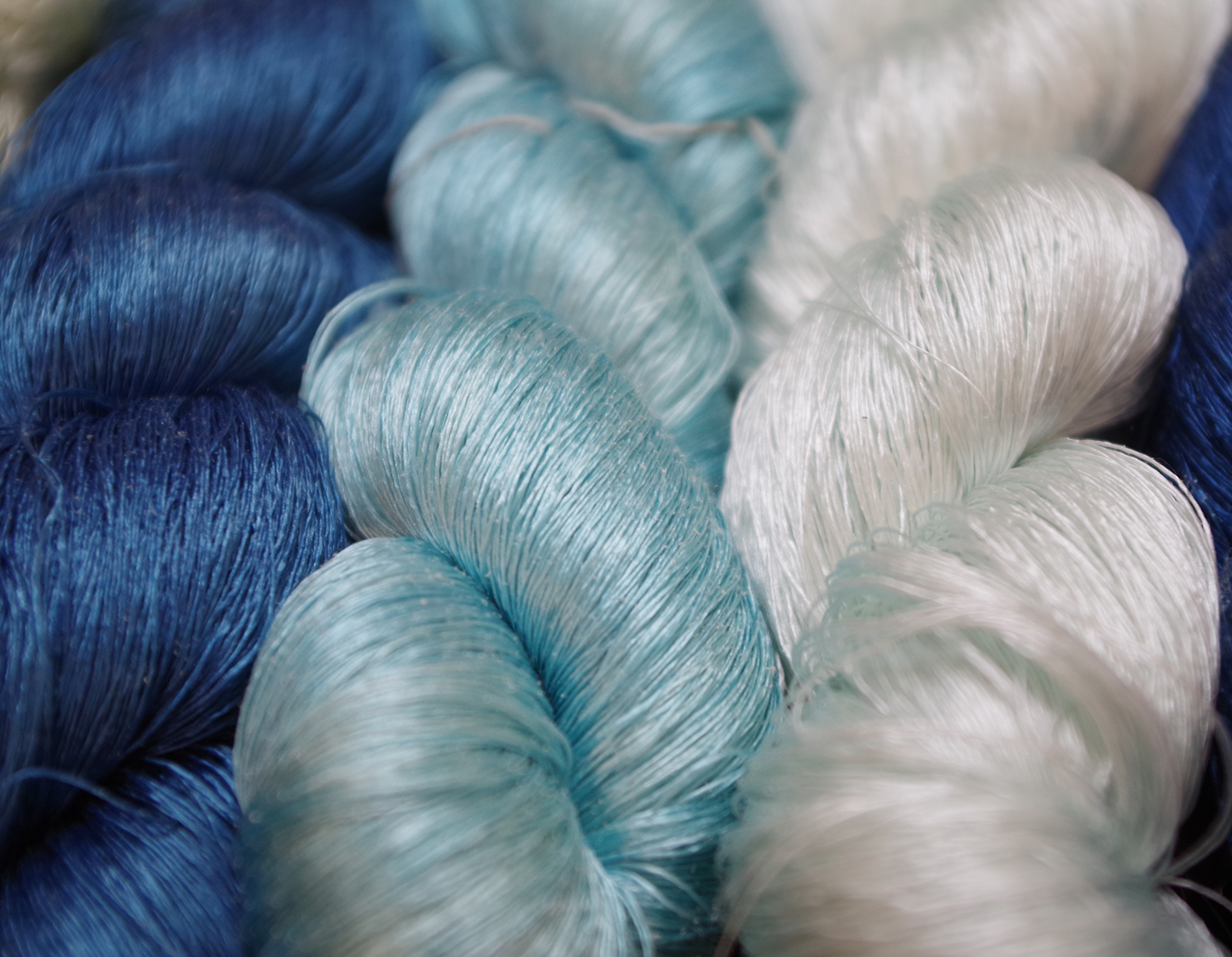
In typical indigo dyeing, the fabric itself is soaked in dye solution to produce blue, but in Shimura's tsumugi weaving, the silk threads are first dyed with indigo, and those threads are woven together as warp and weft threads. In other words, blue is not a color added later to the fabric surface, but rather an individual thread that forms the elements that make up the fabric itself. The contrast of indigo shades, stripes, grids, and combinations with other plant dyes—the intersection of warp and weft threads creates a color expression different from that of a monochrome dye.
Shimura cannot be called an 'indigo-dyed artist.' The field recognized as a Living National Treasure is strictly 'tsumugi weaving,' and he also uses madder, kariyasu, purple root, and safflower as well. Even so, indigo was an indispensable color in Shimura's art, appearing repeatedly in his representative works such as 'Autumn Mist,' 'Hansomito,' 'Moonrise,' and 'Wind and Dew.'
3. New Possibilities for Tsumugi Weaving Demonstrated by the Living National Treasure
In 1990, Fukumi Shimura was recognized as a holder of the Important Intangible Cultural Property 'Tsumugi weaving,' a so-called Living National Treasure. In 2014, he received the Kyoto Prize, and the following year, in 2015, he was awarded the Order of Culture.
The core of this evaluation lies not only in faithfully preserving traditional techniques, but also in pioneering color expressions that had never been discovered before, within the tradition of tsumugi as a material found in rural life and plant dyes such as indigo. There is an innovation Fukumi Shimura brought to tsumugi weaving there.
4. A place of learning called Arsusimla, passing on to the next generation
Fukumi Shimura's work goes beyond leaving behind works.
In 2013, at the age of 88, Shimura, together with his daughter Yoko and grandson Shoji, opened 'Arsu Shimura,' an art education center in Okazaki, Kyoto. This school is not just about teaching dyeing and weaving techniques. It is conceived as a place to experience the connection between nature and humans, the beauty of handicrafts, and the underlying philosophies and philosophies. In class, students dye threads with seasonal plants, weave with mobile phones, and complete individual works. In addition to practical skills, annual themed lectures and extracurricular lessons are also held, providing opportunities to learn about culture and philosophy under themes such as 'observing words' and 'honing appreciation.'
Regarding what this school aims for, Yoko and Shoji have said they have long witnessed people who have become exhausted in social life come here and regain their vitality. It is not simply about being healed, but about experiences that are fundamental to being human, such as being born on Earth and gaining confidence as a person, and understanding the meaning of being born.
The origin of this work overlaps with Fukumi Shimura's own starting point. Shimura's mother, Yutaka Ono, joined the Kamigamo Folk Art Association, which was linked to the folk craft movement led by Muneyoshi Yanagi, received instruction in dyeing and weaving, and in 1927 helped establish Shiga Prefecture's first private elementary school, 'Showa Gakuen,' aspiring to arts education. Arsu Shimura can be said to have been a place where this aspiration was passed down through generations.
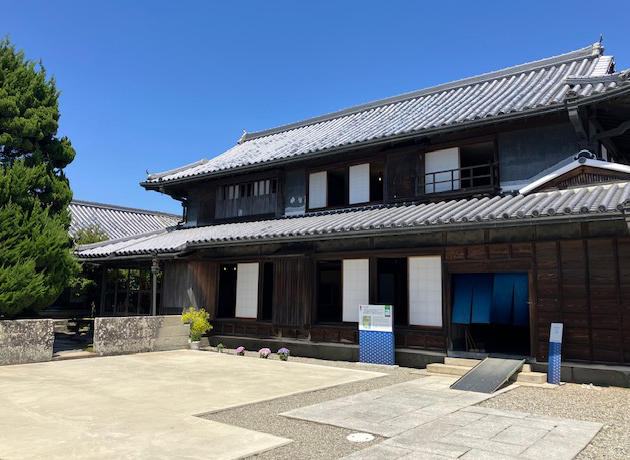
Arsusimla will relocate its base to Setagaya, Tokyo in 2025, and from April 2026, launch a new curriculum called the "Arsusimla Course,"Atelier Shimura Tokyo, SetagayaWe are taking a new step under this foundation. Along with dyeing and weaving techniques, we pass on the very attitude of facing nature to the next generation. This endeavor continues quietly, just like the innovations Fukumi Shimura brought to tsumugi weaving.
The Journey Beyond Indigo Dyeing into the Present Era
The era has shifted to the Reiwa era, and even today, the culture of indigo dyeing is loved by many people. In writing this article, we will introduce stores across the country that support indigo dyeing culture (in alphabetical order).
Ai no Yakata
Address: 172 Maesunishi, Tokumei, Aizumi-cho, Itano-gun, Tokushima Prefecture 771-1212
URL:https://ainoyakata.jp/
Phone number: 088-692-6317
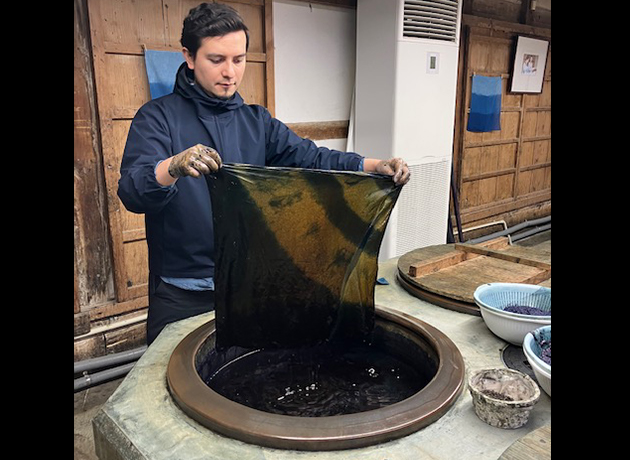
Products handled: Indigo dyeing experience (you can purchase or bring your own handkerchiefs and other materials)
Provided by: Bonarm Co., Ltd.
Asakusa Nakaya Main Store
Address: 2-2-12 Asakusa, Taito-ku, Tokyo 111-0032, Asakusa Shrine-mae
URL:https://www.nakaya.co.jp/
Phone number: 03-3841-7877
Products handled: crotch hiki, belly straps, tabi socks, jikatabi socks, koiguchi shirts, etc
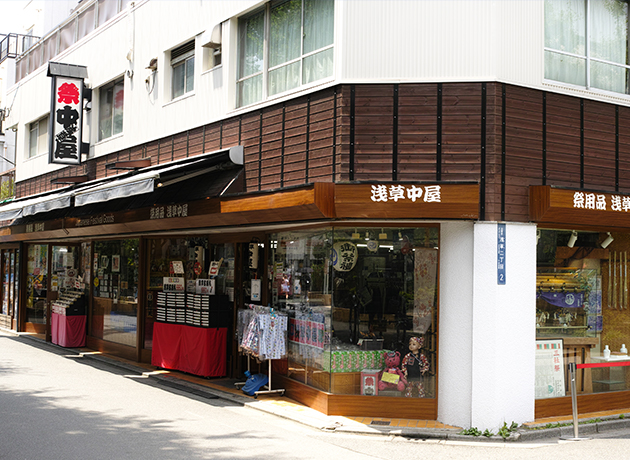
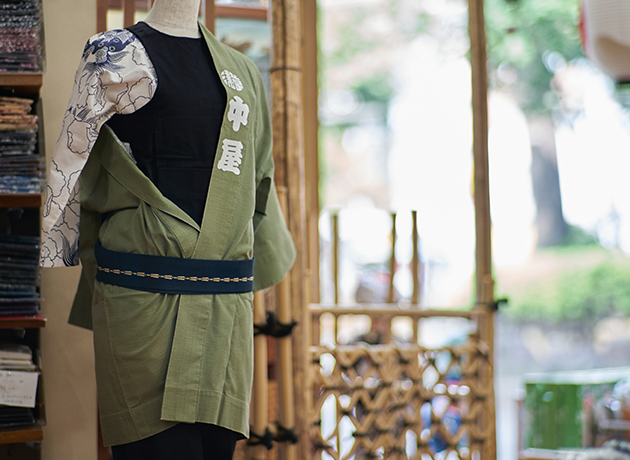
Provided by: Asakusa Nakaya
Atelier Shimura
Address: 6-17-7 Soshigaya, Setagaya-ku, Tokyo 157-0072
URL:https://www.atelier-shimura.jp/
Phone number: 03-6411-1215
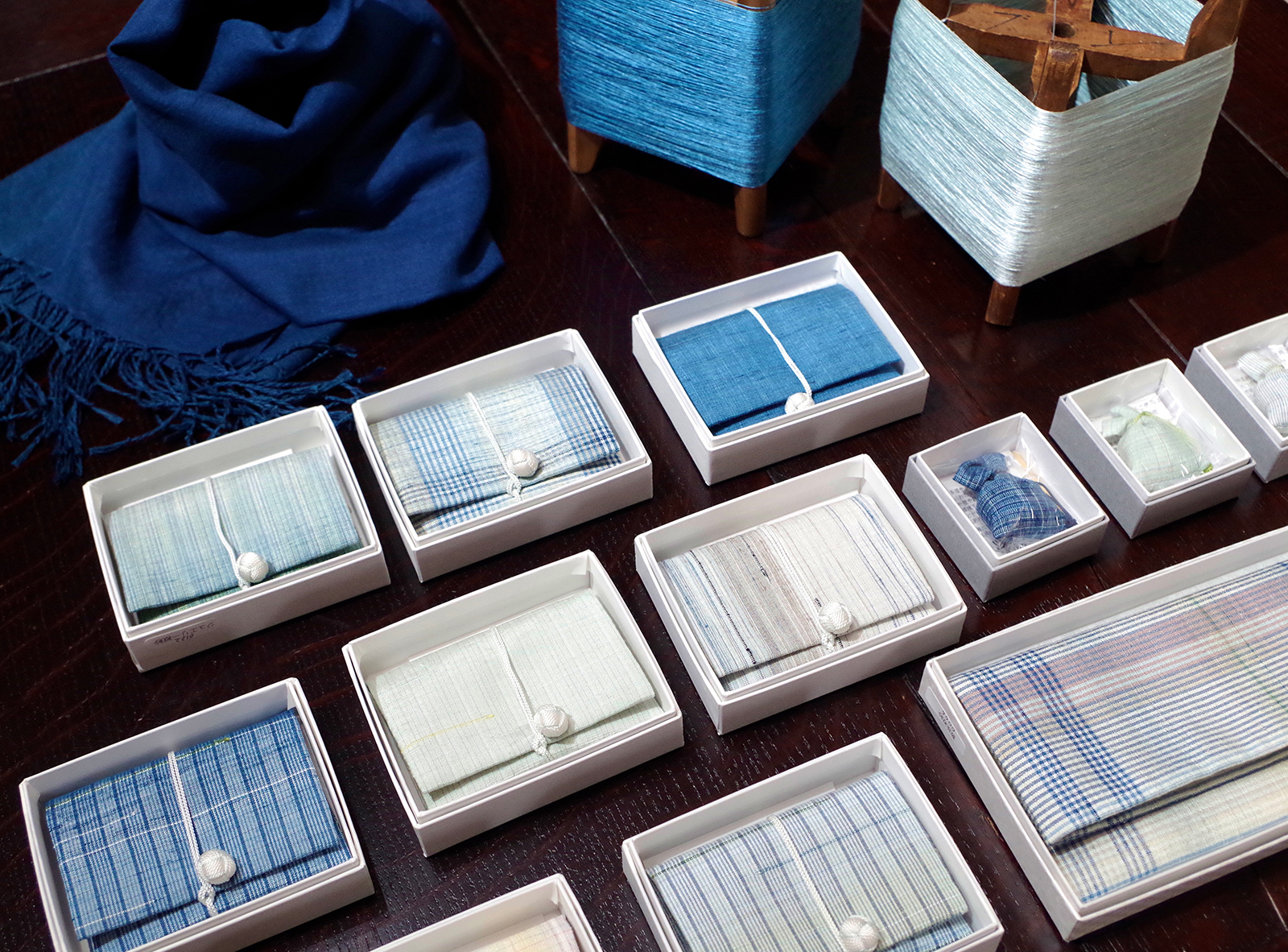
Products handled: Indigo-dyed fabrics, stoles, small tear items, etc.
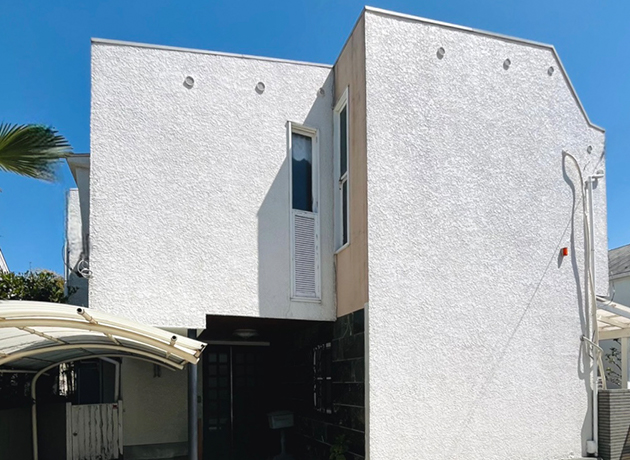
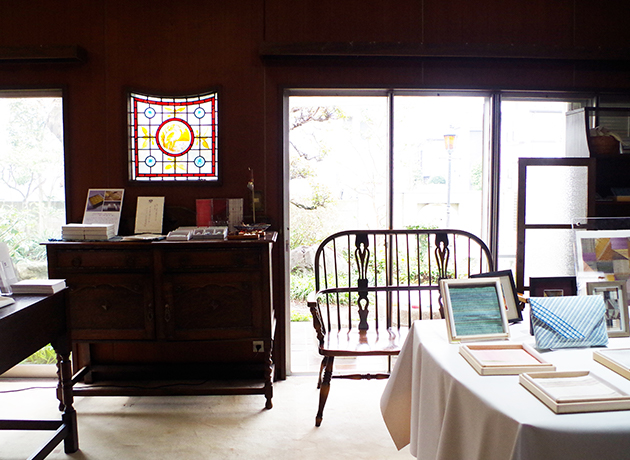
Provided by: Atelier Shimura
festival
Address: 021-0041 275 Akaogi-Sasayaya, Ichinoseki City, Iwate Prefecture
URL:https://www.ennichi-shop.com/
Phone number: 0191-34-8030
Products handled: Clothing (indigo dyeing, indigo dyeing)
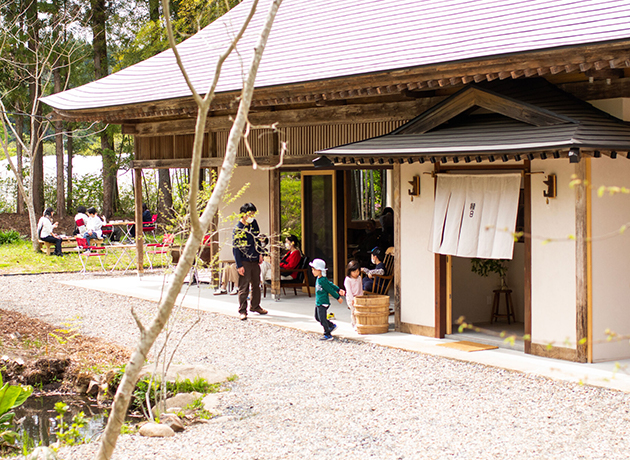
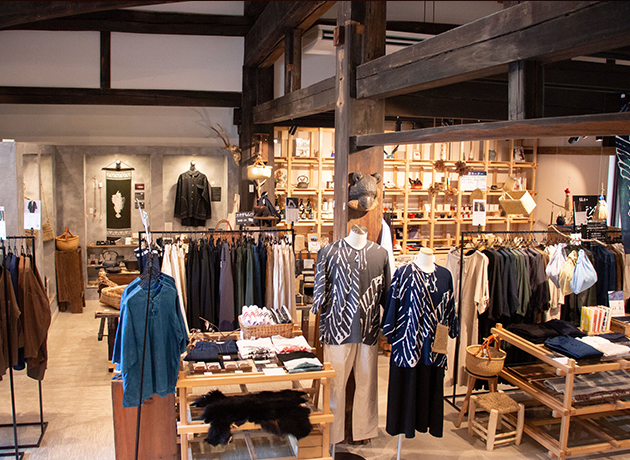
Provided by: Kyoya Dyeing Co., Ltd.
Tanaka Direct Dyeing Co., Ltd.
Address: 312 Tamatsushima-cho, Karasuma Nishii-Iri, Shimogyo-ku, Kyoto-shi, Kyoto 600-8427
URL:https://www.tanaka-nao.co.jp
Phone number: 075-351-0667
Products handled: Since our founding, we have handled natural dyes, including Indian indigo liquid and natural indigo concentrate, which produce deep indigo color in a single dye.
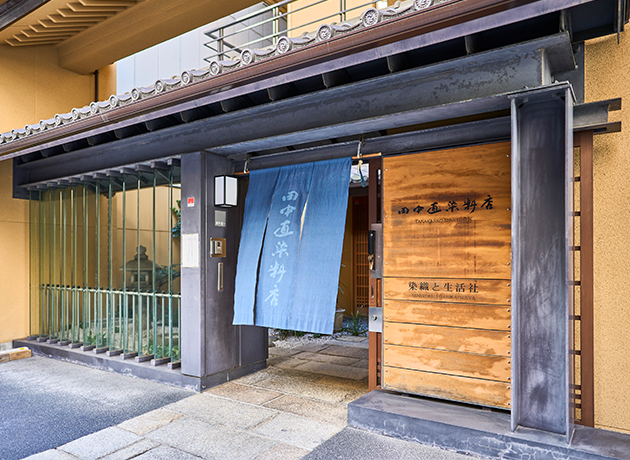
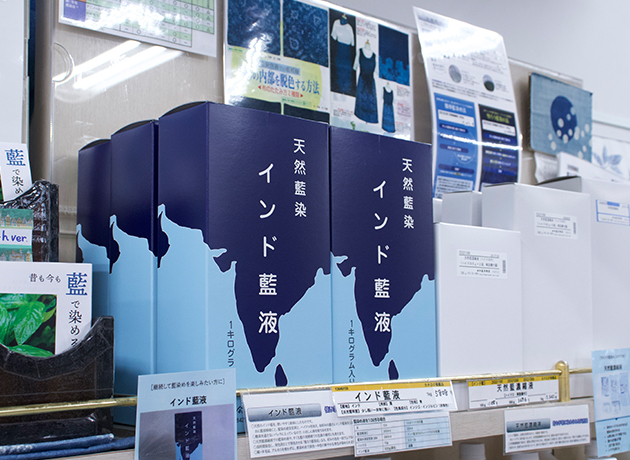
Provided by: Tanaka Direct Dye Co., Ltd.
株式会社 Watanabe's
Address: 314-10 Sebe, Kamiita-cho, Itano-gun, Tokushima Prefecture, 771-1350
URL:https://watanabes.jp/
Products handled: indigo-dyed clothing, stoles, accessories, etc.
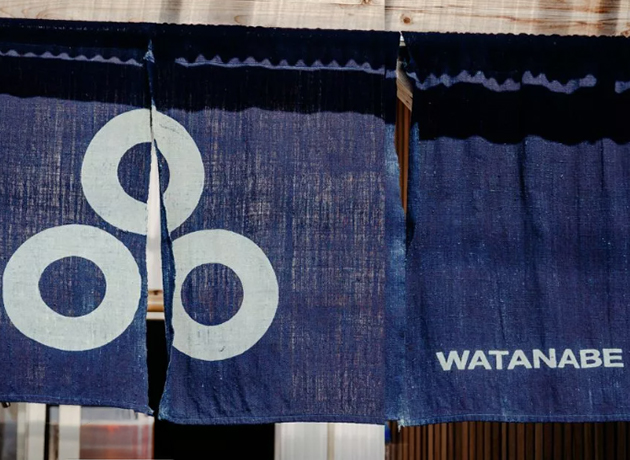
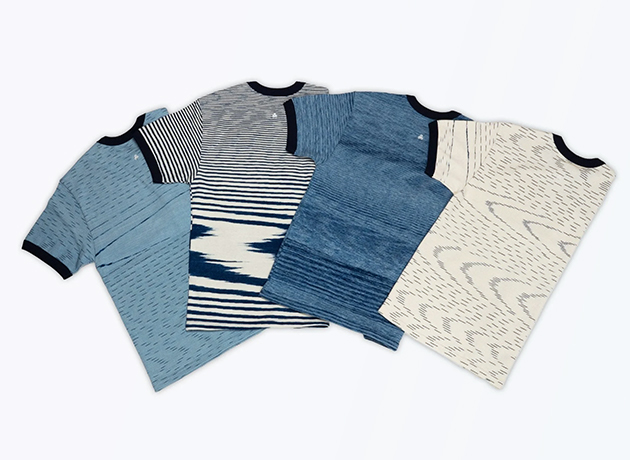
提供:Watanabe's
Kobo Ai no Yakata
Address: 276 Ohara Onagase-cho, Sakyo-ku, Kyoto City 601-1243
*Reservation required for a visit
URL:https://aizomeya.com/
*Please make a reservation or make inquiries here.
Products handled: Japanese clothing, Western-style clothing, and other miscellaneous goods (shibori yukata dyed with authentic indigo, noren curtains, parasols, etc.)
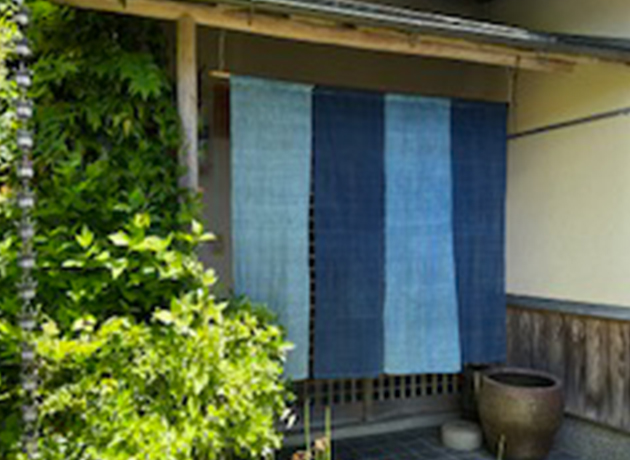
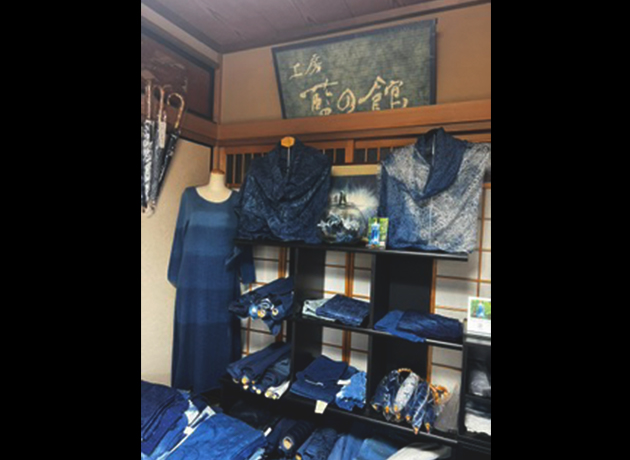
Provided by: Kobo Ai no Yaka
The history of indigo dyeing felt through the exhibition
Starting in September, the Tokyo National Museum in Ueno, Tokyo, will hold an exhibition titled "Utagawa Hiroshige: Best Angles of Edo."
In Utagawa's collection "One Hundred Famous Views of Edo," there is a piece called "Kanda Konyamachi" introduced here, which depicts the indigo dyeing industry and lifestyle of Edo at that time.
In the well-known 'Fifty-Three Stations of the Tokaido,' shades and blurs are incorporated into the sky and water, so just as indigo dyeing produces various shades based on the number of dyes and shades, Utagawa also experiments with a diverse range of blues that are not confined to a single color.
Please feel the very atmosphere of Edo, which is closely related to both expression and motifs, through the atmosphere and humidity of Utagawa's paintings, and its connection to indigo dyeing, and the breath of that era.