InterviewFeatured Artist

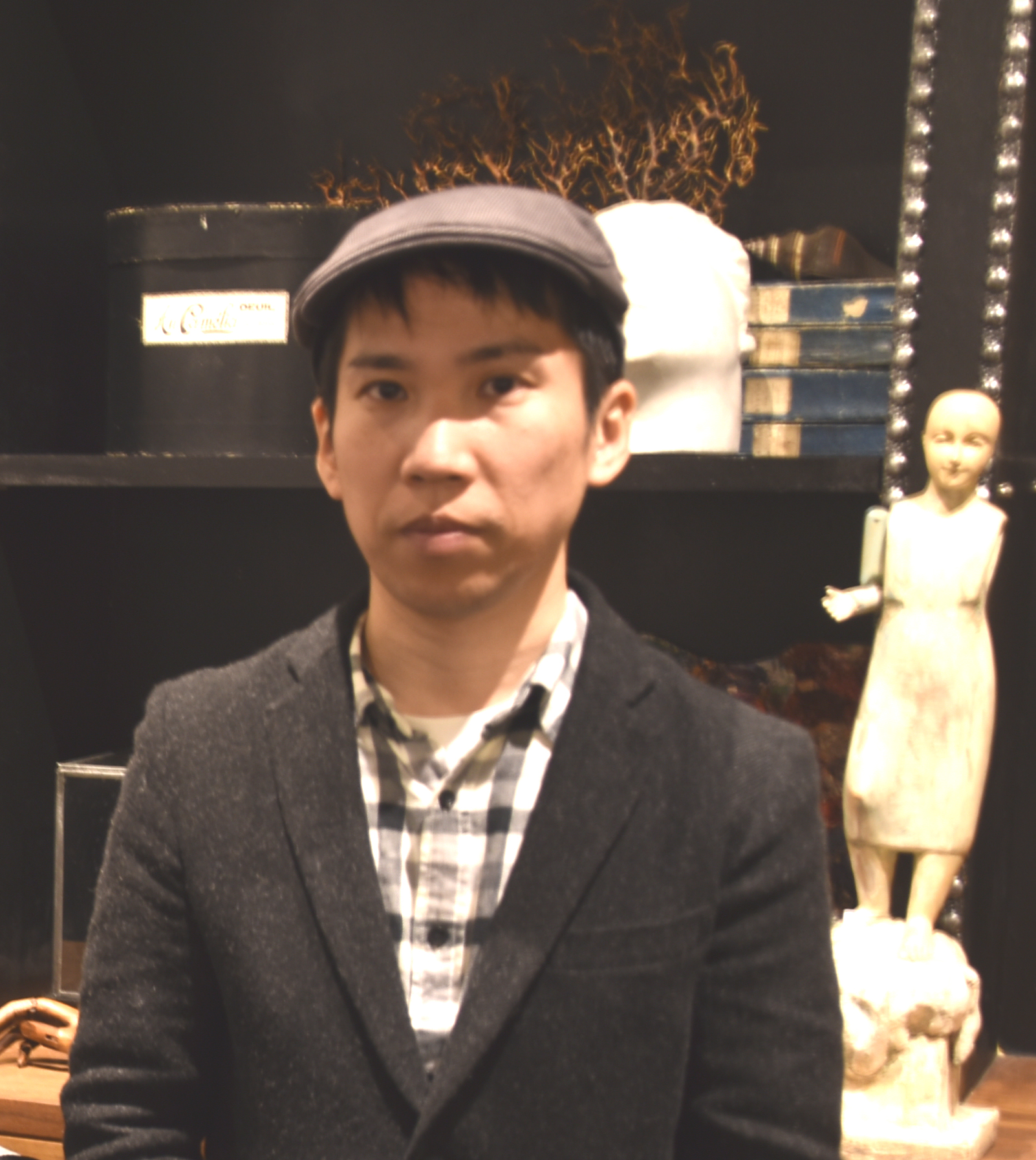
Yoshimasa Fukushima
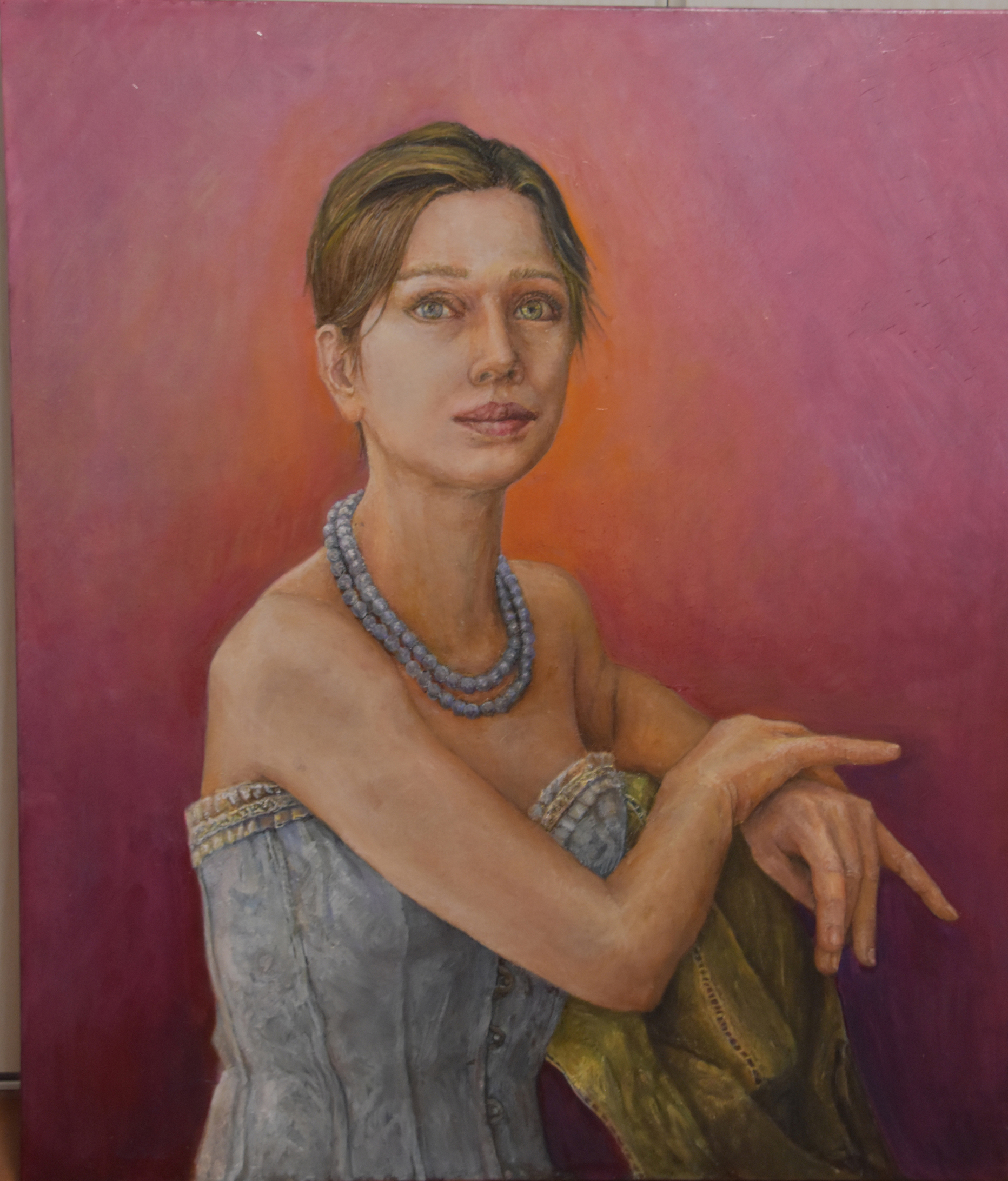
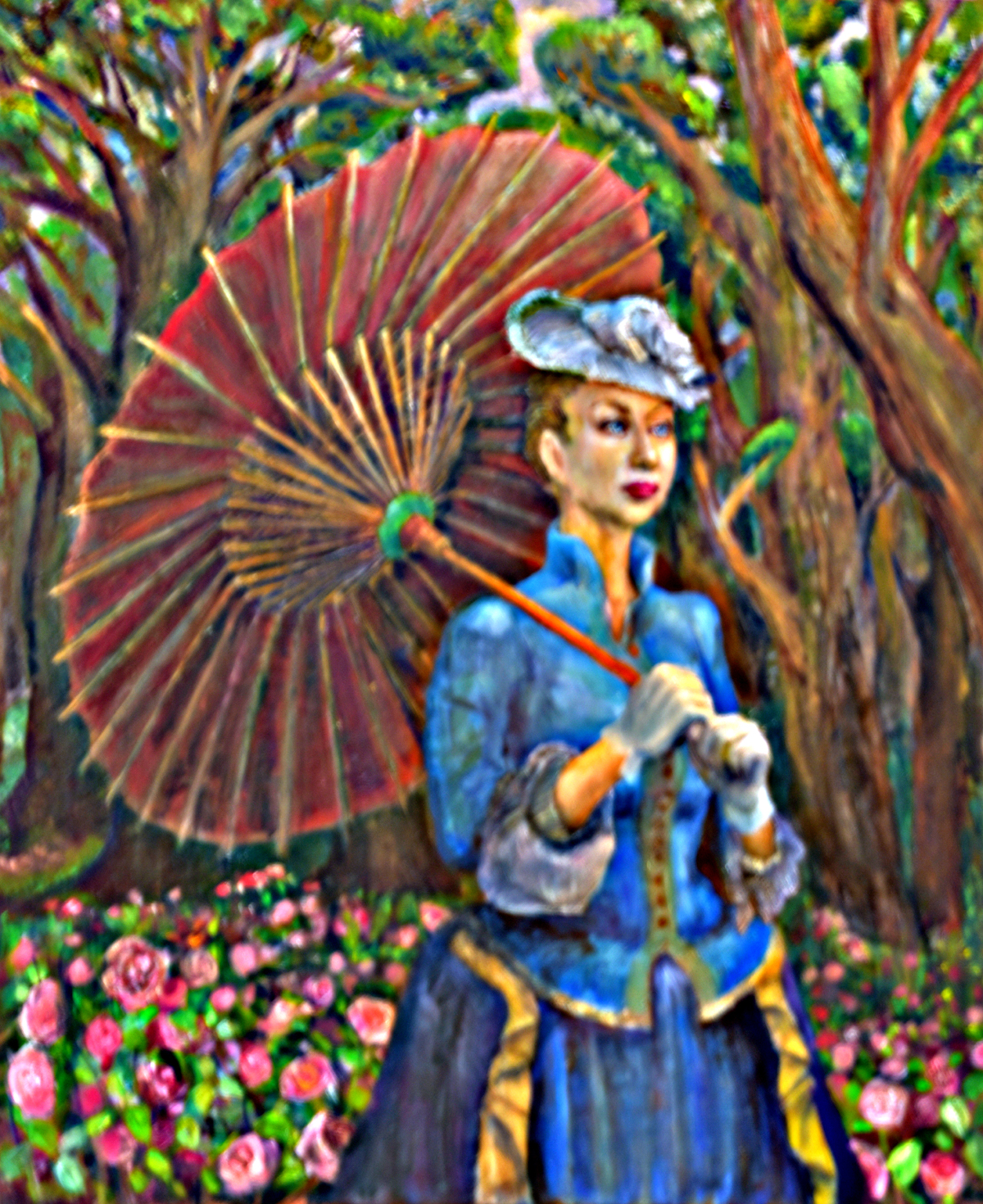
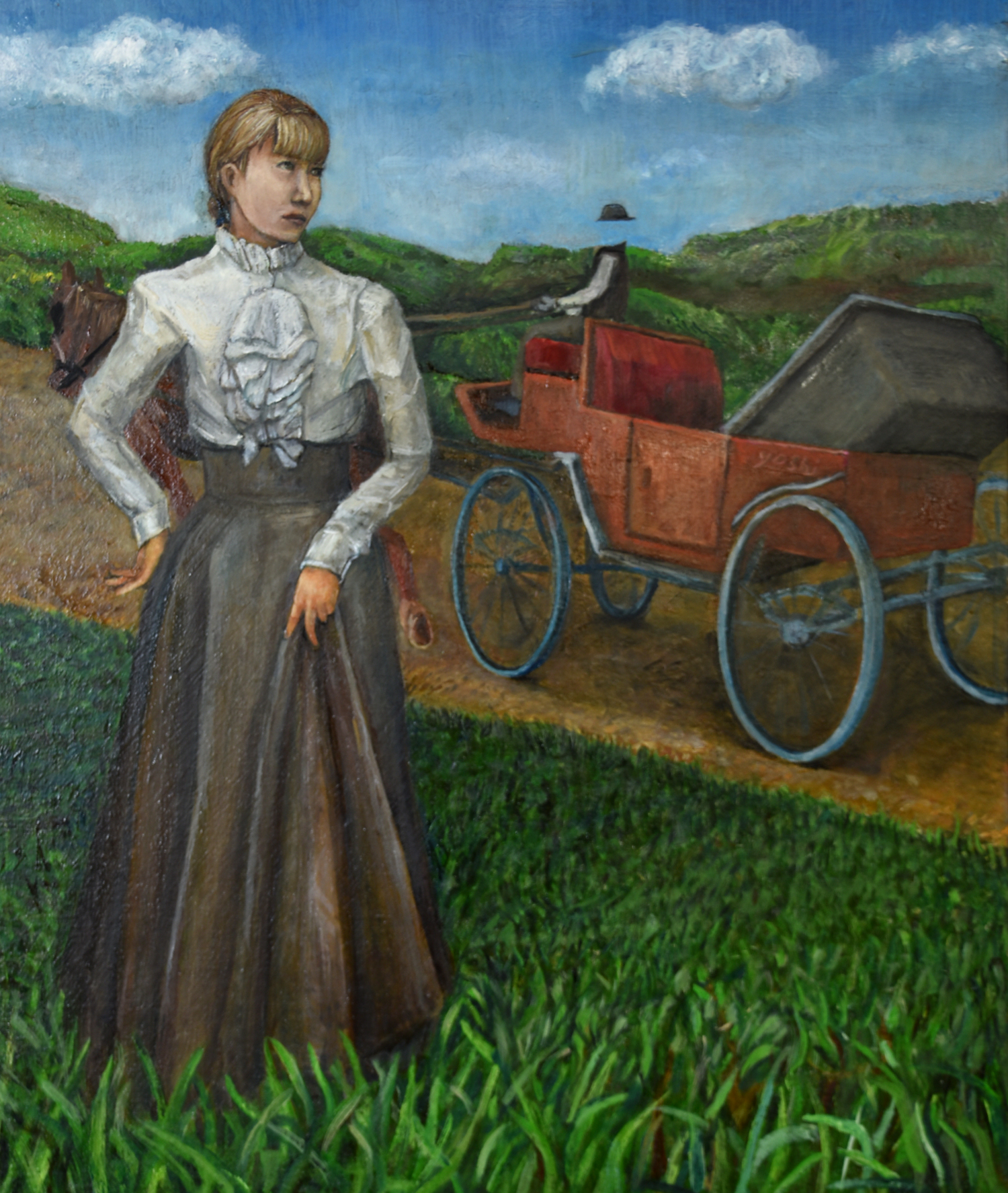
A realistic and elegant fantasy world. Wearing the air of early modern Europe
Is it an illusion or reality?<br>A picture that makes you feel like you are in a dream.
Just like when I read a classic novel,
Mr. Fukushima's works exude an aesthetic fragrance.


"When I was a student, I studied abroad in the UK for one year and was fascinated by the atmosphere of the country. I have always liked clothing, and I was interested in Western old classic clothes such as Rococo and Victoria. Rococo is actually familiar in Japan. In the Meiji era, there was a time when it was popular to wear rococo-style clothes, and it was favored by Japan people for a long time. The reason I chose Rococo as the theme was because I wanted Rococo and Victorian fashion to be widely known in Japan."

For an old-fashioned and elegant rococo taste,
A fantastic worldview combined with surrealism.
Why did you incorporate two seemingly contradictory elements?


"What I'm depicting is a surrealist world. I have always liked surreal and fantastic worldviews such as Junichiro Tanizaki and Poe's novels. Surrealism is a world that is realistic but does not exist in reality. Rococo art also existed in that era, albeit for a short period of time, but it does not exist in the reality of "now". Such "rococo fragility" and "surrealist worldview" are a perfect match for me."

To express a realistic and fantastic world<br>It is drawn using a classic technique called "tempera mixing".
"It's a choice in the sense of respecting Rococo and Victorian old things. I think the experience of learning copperplate prints by chance had a big influence. Copperplate prints are drawn with fine needles, and I learned that there is a classic tempera technique as a way to color them. So I went to a class that taught tempera techniques and tried various things. In the midst of this, I realized how familiar oil paints and tempera were, and I began to paint using the tempera mixed technique."

However, there are various difficulties in painting with classical techniques and classical themes.

"Of course, I make it myself from the base. I made a base for tempera on top of the canvas and applied oil paint on top of it. The oil paint oil is also made with the original oil prepared by myself for tempera. It is also difficult to make supports, but in fact, the most difficult thing is to collect materials. You have to look for clothes for the model to wear. It is rarely sold in Japan, so I look for it online and order it from overseas. You can refer to the photo, but in order to draw more realistically, you still need to look at the real thing rather than the photo."
To draw your own world,<br>Mr. Fukushima's career is truly unique.
"When I was little, I only drew manga, not in earnest. I started painting after entering university. When I was a student, I worked a little bit in the fashion industry, and at that time I drew clothing design, but I was not convinced by it, so I went to a painting class to learn drawing and oil painting. At that time, there happened to be a class where I could experience copperplate prints, and I also learned copperplate prints. While doing copperplate prints, I became interested in the paper itself to be transferred and wanted to know how paper is made, so I started making paper in a workshop where Japanese paper is made. About 14 years ago, I drove from Tokyo to Hanno in Saitama for three years. Now that I have mainly made classical paintings, I am not doing papermaking. I don't think there are many painters who "made the paper themselves". (laughs)"

British fantastic painter
John William Waterhouse
It is said that he was influenced.


"Waterhouse is a writer who follows the flow of the Pre-Raphaelite school, which depicts a unique fantastic world with realistic expression while using medieval stories as their themes. When I was first introduced to the work "Mermaid" and saw it, I was shocked by the fantastic but realistic picture. When you look at the work, you can see that they have done various research to create that expression."
What kind of painting are you aiming for in the future?
"I think my specialty is fantastic, realistic, and document-based paintings based on Rococo art. For example, even if the model is Japan, I want to be able to properly express the rococo fantasy part. I would like to depict fantasy paintings as faithfully as possible in the Western atmosphere of the 18th and 19th centuries. Now that the corona disaster has reduced the opportunity for people to see my paintings, I want many people to first get to know my work and realize that there are paintings like this. To that end, we are also focusing on the use of social media such as Twitter."
What is "art" for Yoshimasa Fukushima?
"I think it's a place where I express my existence."