InterviewFeatured Artist

Digital Art
Brahma Zen
Born in Iwate Prefecture in 1957, he studied the Huangbo school and Japan painting on his own, and is currently an artist who creates digital beauty paintings. He has exhibited many times in Japan and abroad, and his representative works include "Goldfish" and "Sparklers". It reinterprets traditional Japanese beauty and elegance with a modern approach, expressing the spirituality of Japan culture through the image of women. He aims to continue to widely convey the ideas of the Kobo school and the worldview of Tomioka Tetsusai through his works. His quiet and deep style continues to attract many people.
Please briefly introduce yourself.

The name of the activity is Brahma Zen. "Brahman" means Brahman (the fundamental principle of the universe), and "Zen" means the cultivation of enlightenment. His real name is Makoto Kashiwagi, and he was born in Morioka City, Iwate Prefecture in 1957. After moving to Tokyo, he graduated from a general university and worked as a preparatory school instructor, where he taught himself the ink works of the Oubaku school, the ink paintings of Hakuin, and Tomioka Tetsusai. Currently, he lives in Saitama Prefecture and produces Japan paintings using digital art, mainly beauty paintings. Among the participants are art critic Hiroshi Kashiwagi and Iwate Prefecture painters Beniko Fukasawa and Shozo Fukasawa.

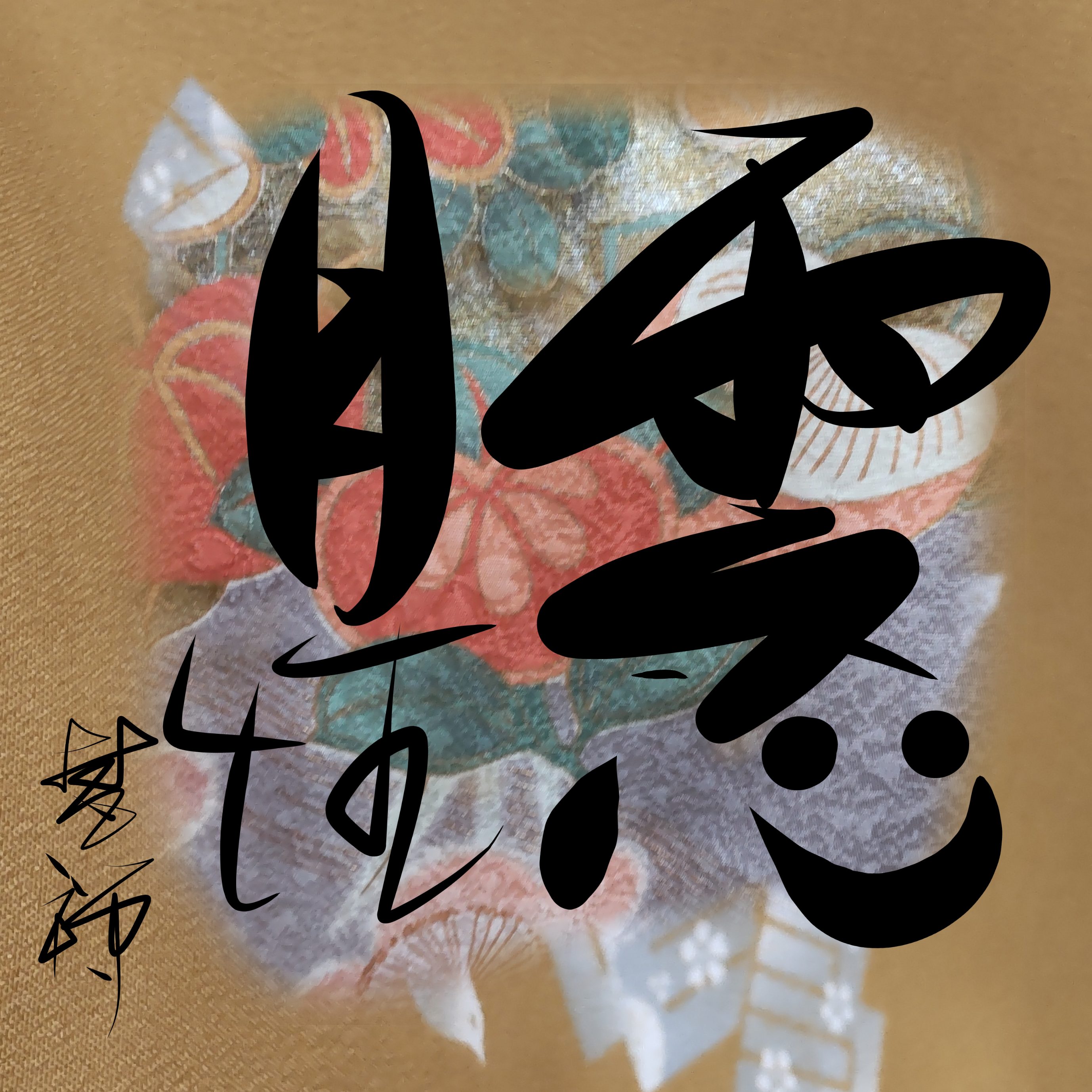
*Ink mark: The trace of a letter written in ink. In particular, it refers to the handwriting written by a monk (Zen monk).

"Cloud Heart Moon Sex" Written by: Brahma Zen
Are there any exhibitions or events that have left an impression on you?

Particularly impressive was the "Ardent Wish Cold Promise" exhibited at the "9th Salon de Art Japone 3rd Session" in September 2024, sponsored by Reijinsha Co., Ltd. In addition, in February 2026, "Goldfish" and "Sparklers" will be published in the "Analysis from an Artistic Perspective" art book series of Milan, Italy. In the same month, we are planning to exhibit "Ten Thousand Miles in the Sky" and "Clouds in the Heart of the Moon" at the 16th Monaco Japan Art Festival to commemorate the 20th anniversary of the establishment of diplomatic relations between Japan.
Other memorable opportunities included the 50th Japan Week in Manchester, England in September 2025 hosted by Lift Co., Ltd., and the 9th Art Collection in Yokohama/Keihin-Yokohama Station digital signage screen in January 2026.

In addition, AQUA ART MIAMI "Quiet and Elegant" in December 2024 hosted by Gya Gya gallery Co., Ltd., "Elegant and Elegant" at the Scottsdale Ferrari Art Fair in LA in March 2025, and "Fresh and Translucent" at Focus Art Fair Chelsea-Industrial in New York in May 2025, as well as Artcross_tokyo Co., Ltd. His many experiences have fueled his work, such as winning the Japan Art Honor Grand Prize at the Art Expo in Paris and the Japan Art Contribution Award at the Art Light Exhibition in Ishikawa.

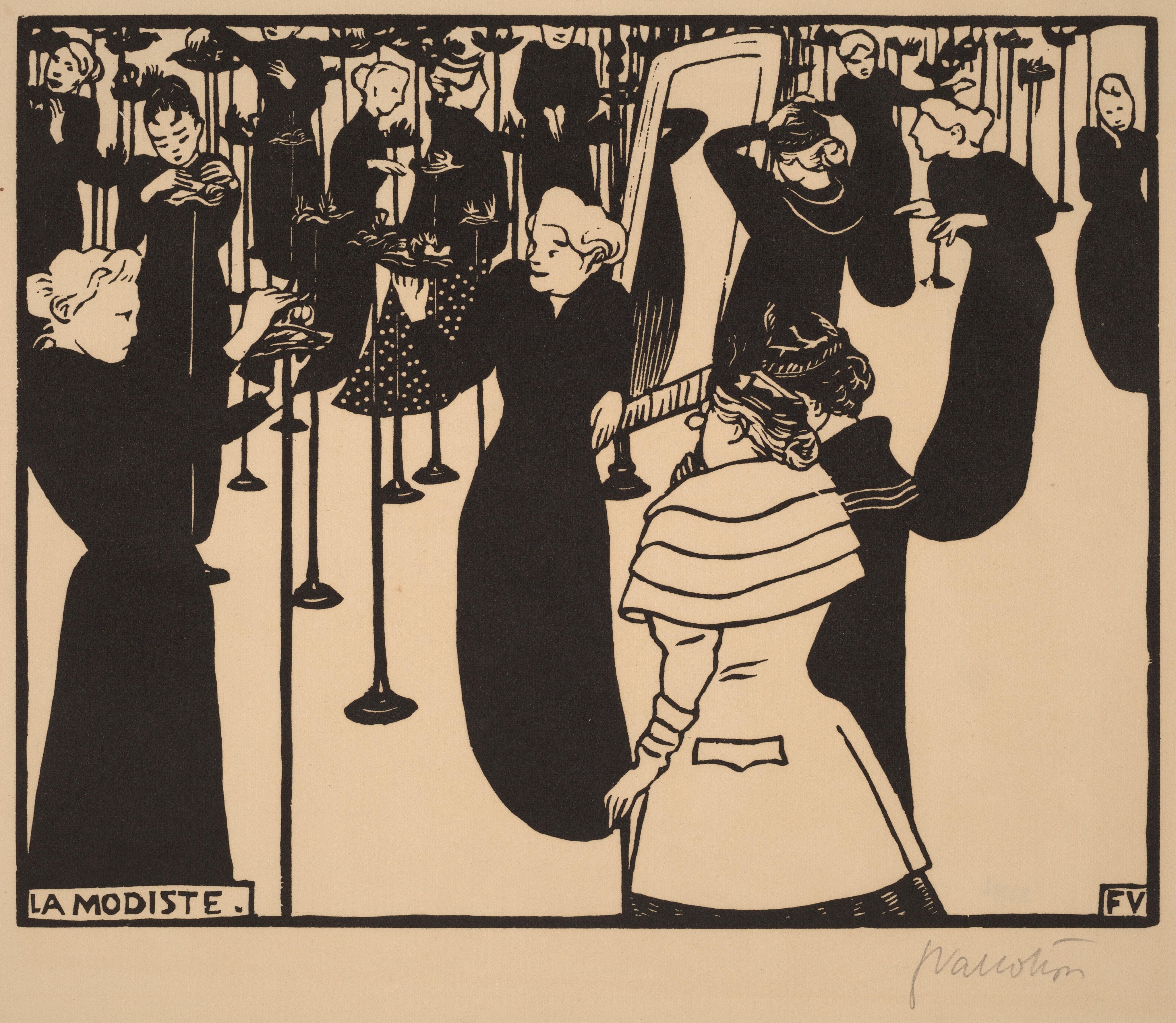
"Hatter" Written by: Felix Vallotton
What made you start working as a painter?

I have been familiar with painting since I was a child, and until I was 17 years old, I devoted myself to painting. However, due to various circumstances at the time, such as family circumstances and career choices, he gave up on that path, and since then he has lived away from painting for a long time. The turning point came in recent years. By chance, I came across Vallotton's prints and was strongly struck by the aesthetics of his prints. The shock awakened my dormant desire for creativity, and I felt a strong desire to face painting again. This is how I started working on it again after decades, and I am still working on it to this day.

What kind of thoughts do you put into your work?

I use the modern medium of digital art to pursue the stylistic beauty of Japan. While traditional Japan painting has been made up of material materials such as rock paint and washi paper, I chose a completely different approach. We aim to create a new form of Japan painting that will be revived on the small screen of a palm-sized mobile monitor.
In addition, I would like to express the traditional Japanese elegance and cultural worldview, which is being lost as contemporary paintings of Western origin become mainstream, through the face and body of Japan women. I see myself as a "painter" rather than an artist, and I work on my work as a person who inherits Japan's beauty tradition.

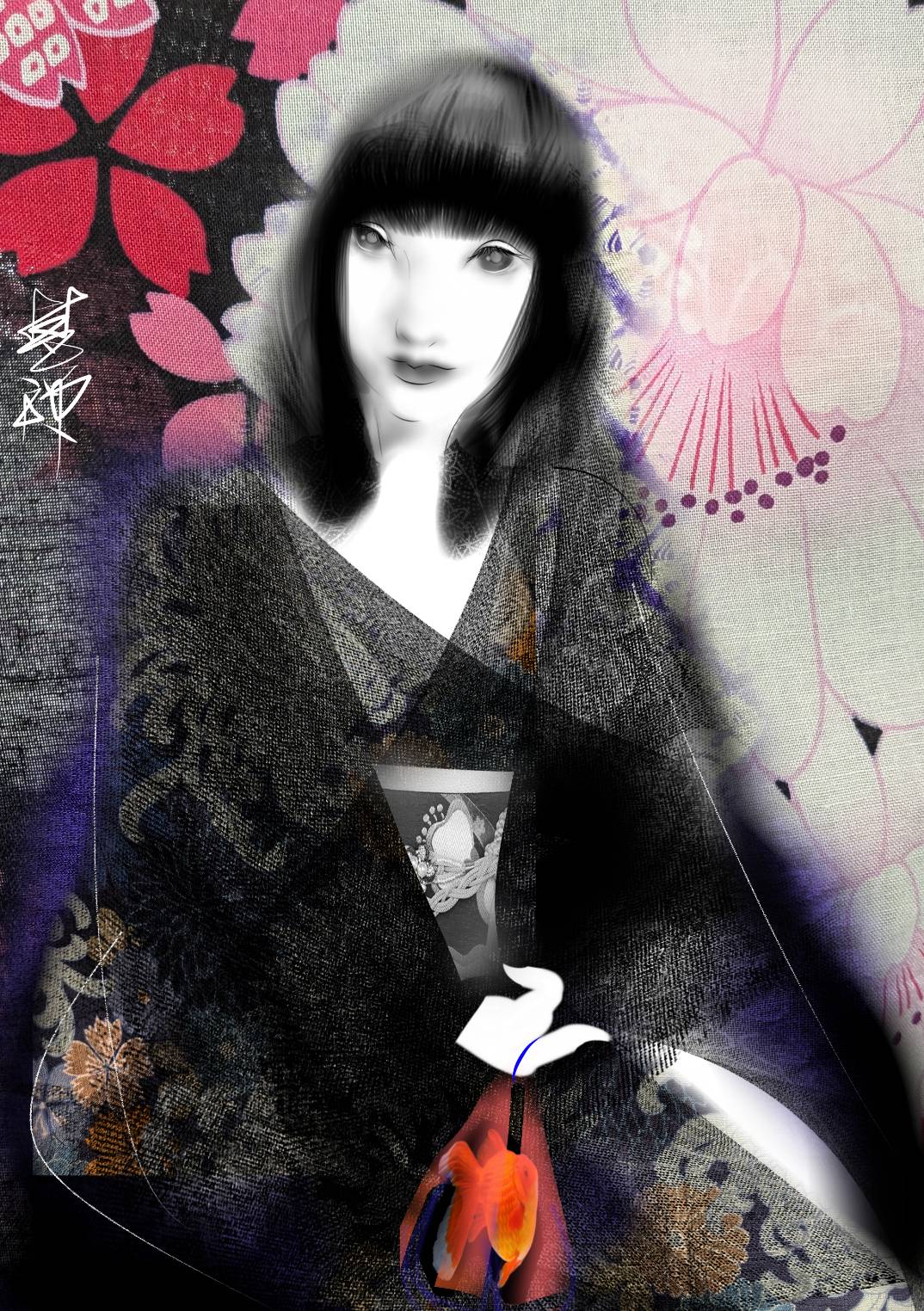
"Goldfish" Written by: Brahma Zen
Please tell us if there is a work that you think is the most "like me!"

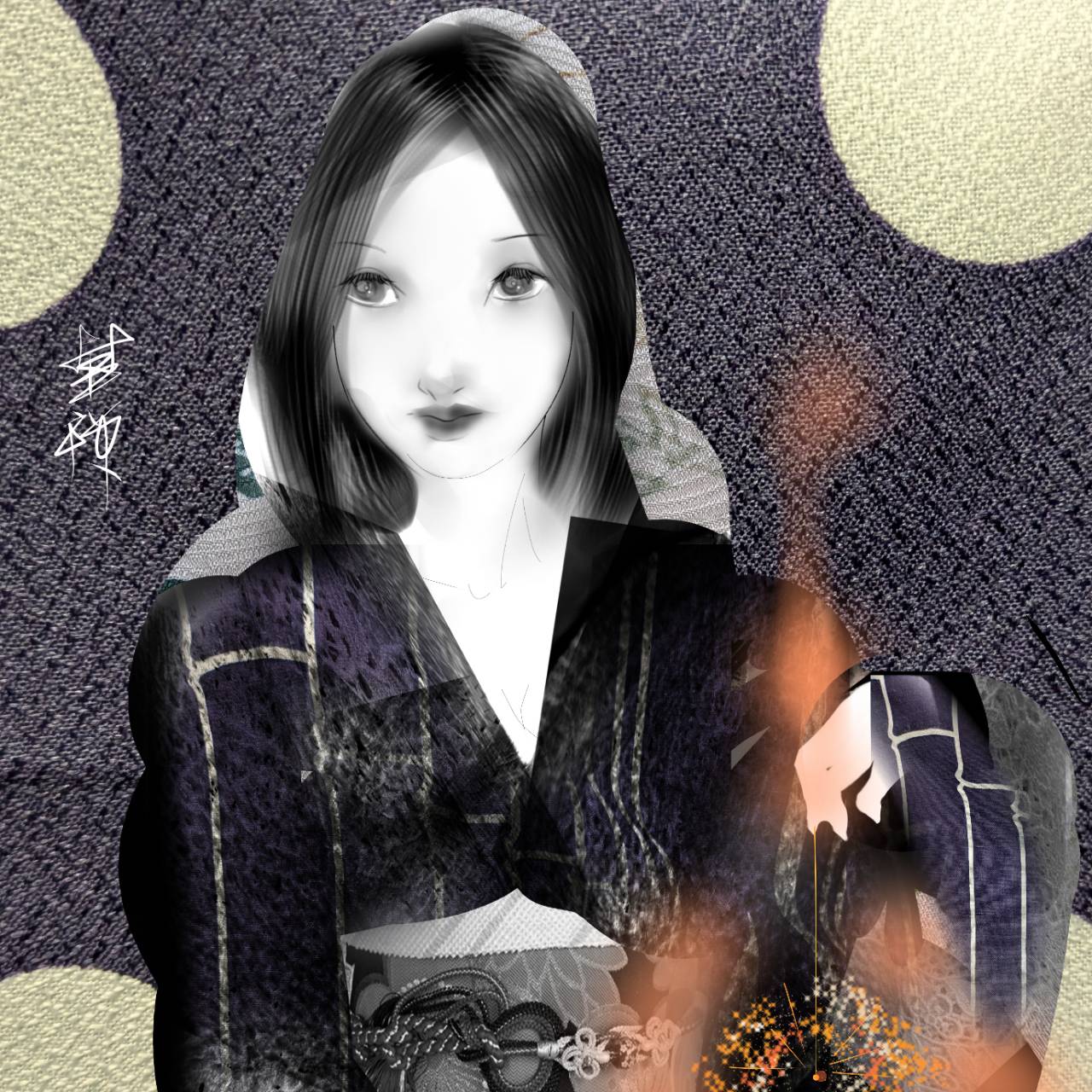
I feel that "Goldfish" and "Sparklers," which will be published in an art book published by a publishing house in Milan, Italy, in February 2026, are the works that are most personal to me. These are by no means flashy works. Rather, it uses plain colors and may not be eye-catching at first glance. But that's why I believe that these works reflect the core of my aesthetic sense. The woman's expression, the sadness of a sudden moment, and the thoughts hidden within. The texture of the kimono, the overlapping of the fabric, and the beauty of the collar line. And the meaning and decorativeness of kimono patterns and traditional patterns. In addition, the placement of accents tightens the entire screen. Balance with the margins, guidance of the gaze. Each of these elements contains my thoughts on the stylistic beauty of Japan, which I cherish.

"Sparklers" Written by: Brahma Zen

Rather than seeking flashiness or glamour, he finds a deep sense of interest in restrained colors. It is quiet yet has a solid presence. That is my starting point, and I believe that "goldfish" and "sparklers" express their sense of beauty in their purest form.

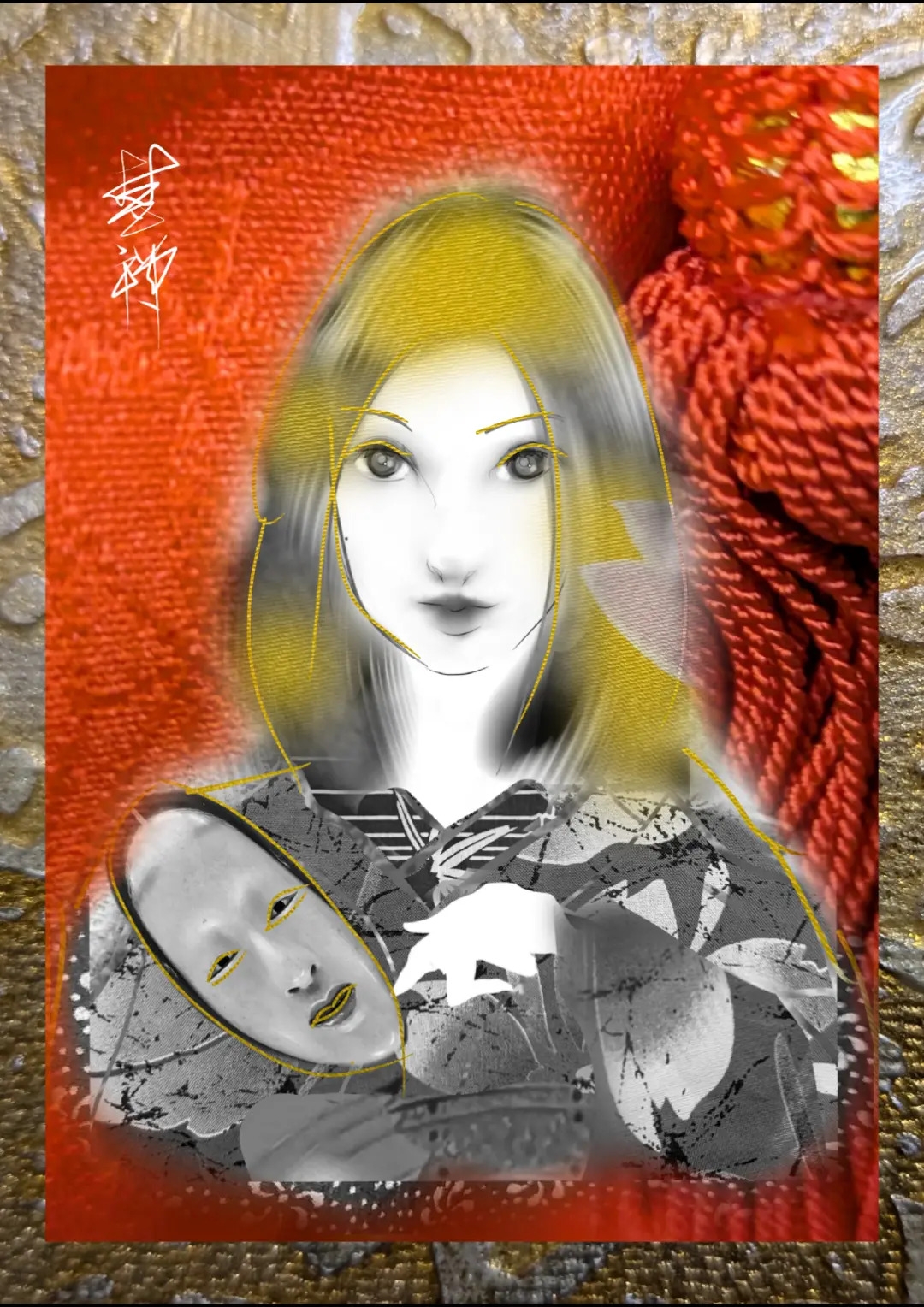
"Persona (Noh mask and women)" Written by: Brahma Zen
Can you tell us your thoughts on future work?

In fact, there are many things I want to convey through my work. My goal is to express them throughout my life. My ideal is a Zen painting painted by the monks of the Huangbo sect in the Edo period, which is familiar on the surface but contains profound ideas deep inside. Like the works of Tomioka Tetsusai in the Meiji era, it gives a simple yet sublime view of the world. I am strongly attracted to such expressions where the surface and the deep layer coexist. In today's world, we want to use various media such as SNS to deliver our works to as many people as possible. While actively utilizing modern media, his essential sense of aesthetics never waver. I would like to continue to draw such works.


While paying deep respect to the spirituality and aesthetic sense of Japan that he has cultivated over many years, he is pioneering his own expression of Japan painting using a new technique called digital. Mr. Van Zen's works quietly coexist with reverence for tradition and questions of the present, leaving a deep aftertaste on the viewer. The reason why it has resonated with exhibitions around the world is probably because there is no pretense in its production attitude, and the view of life itself is engraved on the screen. We will continue to pay attention to how this uniqueness will develop in the future.

 
Interview: 2025/11/23