
具象物の色かたちを崩し、ちょうど良い加減で止めるという行為。
これが私にとっての創作である。
何を崩し、何を残すか。
その答えを見つけ自分にとって心地よい「やめどき」を決める。
日常も同じく。
【個展】
2012年
・ギャラリーくさ笛(名古屋)
2015年,2019年,2024年
・GALLERY ART POINT
【グループ展】
2014年
・2人展 JONES FOODSTORE(ベルリン)
2014~2015年
・アートイベント島 ミュージアム竹下成果工場(島根)
2016年
・Berliner Liste(ベルリン)
・CHRISTMAS ART COMPETITION in YOKOHAMA(横浜)
2016年 , 2018年
・Abstraction展 GALLERY ART POINT
2016年 , 2019年
・Japan Festival(ベルリン)
2017年
・Perspectives それぞれの視展 GALLERY ART POINT
2018年
・環境をアートの色で変えていく展 金沢21世紀美術館
・日本の美術全国選抜作家展 上野の森美術館
・Spectrum展 GALLERY ART POINT
2020年
・Avenir展 GALLERY ART POINT
2022年
・或る心象展 GALLERY ART POINT
2023年
・Abstracrion展 GALLERY ART POINT
・Legato展 GALLERY ART POINT
続きを読む
Artist 本庄未紀 Honjo Miki

WORKS 作品
INTERVIEWインタビュー
本庄未紀
アートとの出会いを教えてください。
幼少期から家には紙や布、簡単な画材や道具があり、ものをつくったり描いたりすることがしやすい環境でした。学生時代や卒業後の就職では他のことを選びましたが、やりたいことを探すうちに次第に制作系の仕事に移行し、建築パースやイラスト、デザインなどの会社に勤めました。
プライベートで変化があり退職した後に通信制の大学で学び直しました。住む地域も何回か変わり、景色や色彩、形など見るもの全てが変わった時期でもあります。在学中に展示の機会があったのでそれ以降、制作と展示のサイクルを続けています。
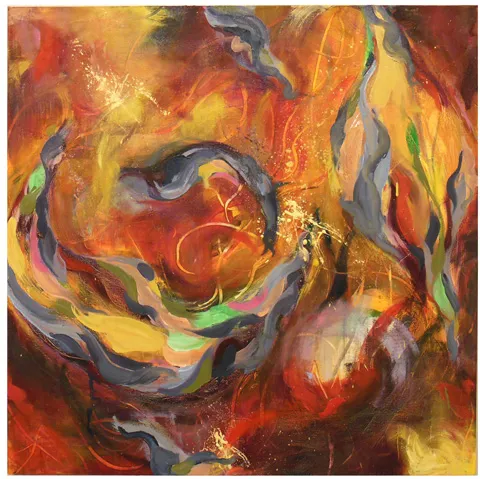
また、絵を描いたりモノをつくることの他に、音楽もずっと好きで私の人生に絶対になくてはならないものです。子育てが落ち着いたタイミングでじっくり自分が好きなものに向き合った結果、最近は音楽の存在が大きくなっています。その影響で絵にも変化があり自分でもその変化をみているところです。
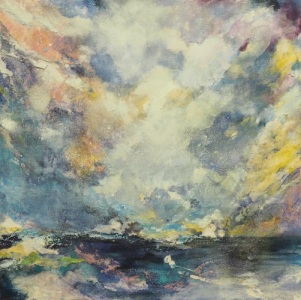
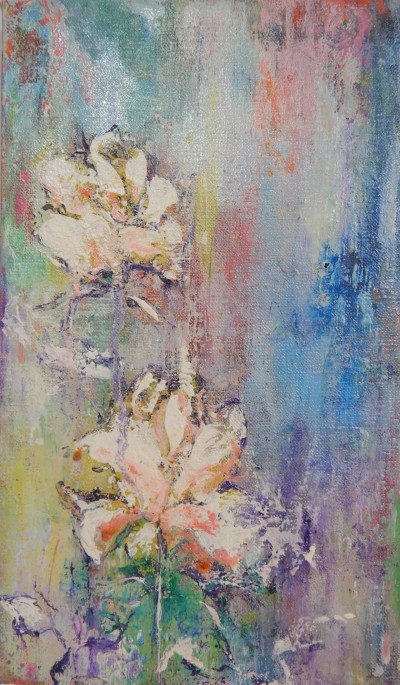
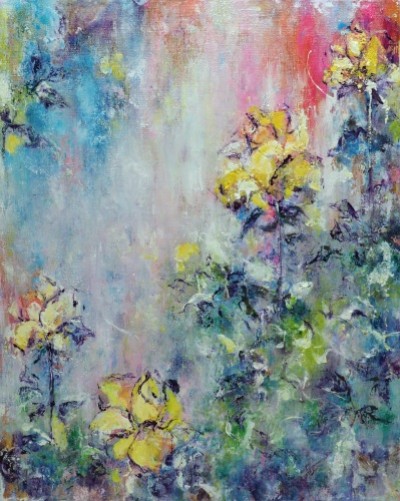
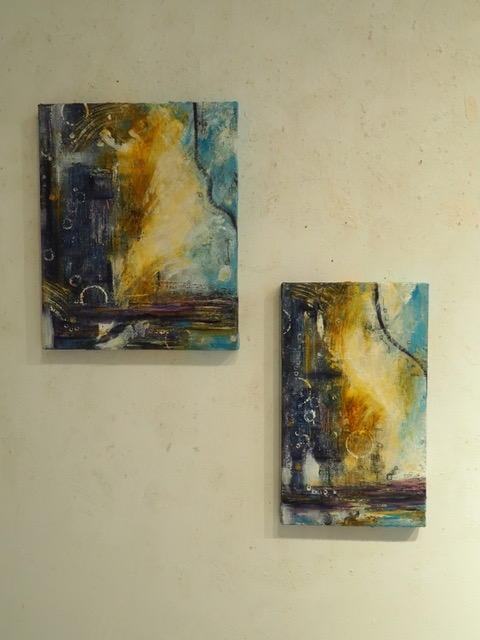 「眺〜Scene」
作:本庄未紀
「眺〜Scene」
作:本庄未紀
生活の中でインスピレーションを受ける場面はありますか?またそれはどんな場面ですか?
わかりやすい例では、自宅周辺の小さな自然、特に植物からインスピレーションを得ることがあります。旅先で感じた色かたち、音や空気感も絵に繋がります。
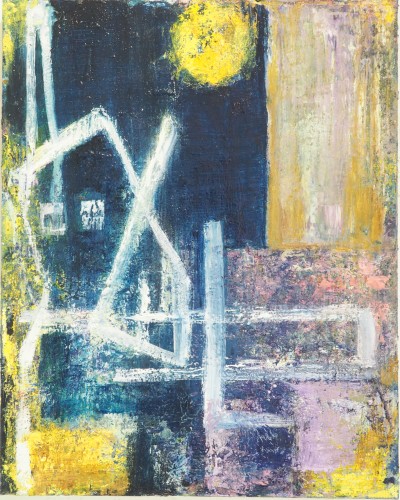
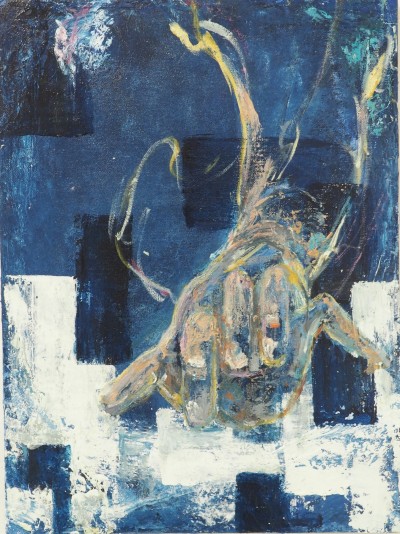
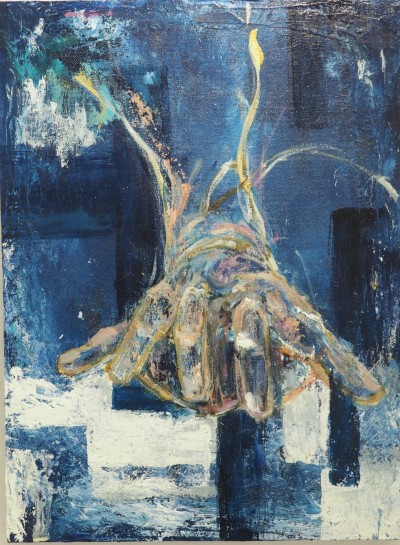
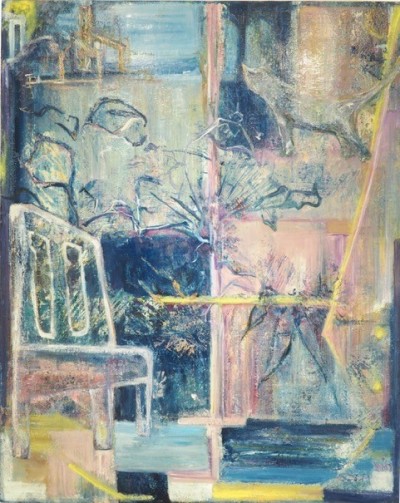
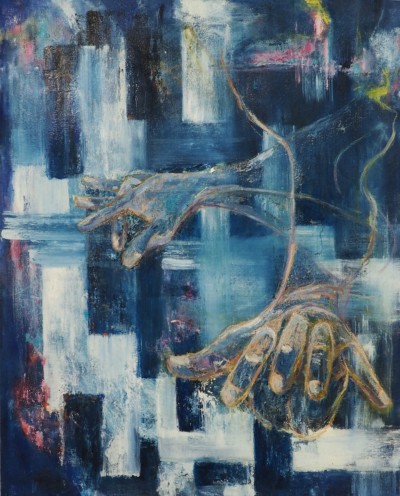
でもほとんどは特別なインスピレーションなどなく、普段いちばん長く見ている物や頭から離れないことがきっかけになっています。たとえば日本橋Art.jpさんに出展している『夜』や『囲』は自宅のカーテンと椅子、窓からの眺めがモチーフになっています。コロナ禍で家にいる時間が長く、そればかり見ていたからです。
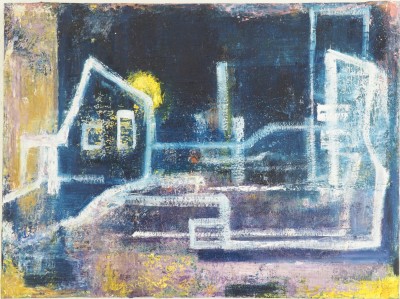
また、音にまつわる作品は、繰り返し聞いている曲やピアノで練習している曲がモチーフになっています。小説や思想など、言葉や文章が制作方針に影響することもあります。
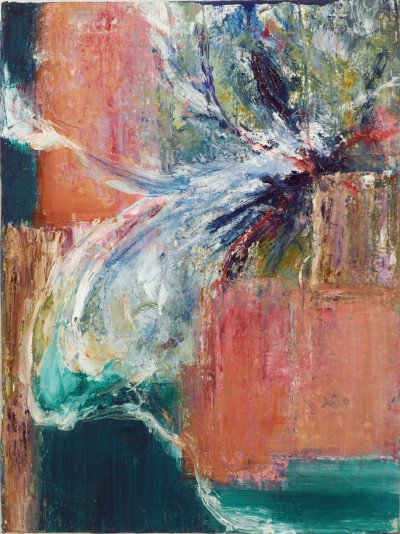
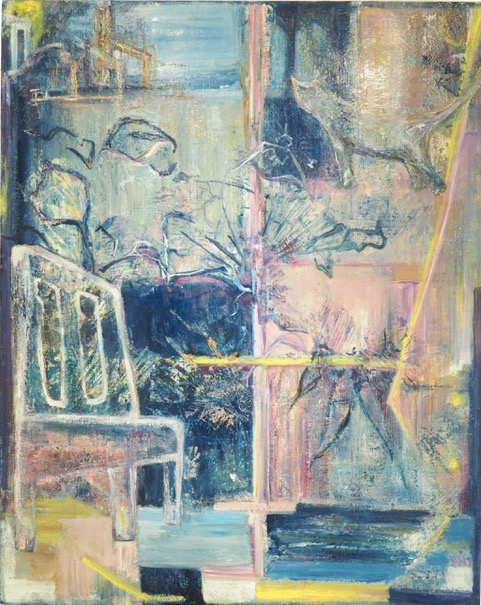 「囲(かこい)」
作:本庄未紀
「囲(かこい)」
作:本庄未紀
ご自身の作品を通じて、見る人にどのような体験や感情を届けたいですか?
制作のきっかけとなる事象や想いは何かしらありますが、制作には時間がかかるほうで、伝えたかったことや想いなども変化してしまいます。きっかけとなった季節が変われば植物の様子や景色もかわりますし、同じ音楽や言葉でも自分の状況によってまた違う想いが生まれます。
何が描かれているか他者には分かりづらいだろうと思うところはありますが、私としては分かっていただくことを目的にはしていないです。絵の前に立った時に何かを感じて、ご自身の体験に置き換えたり記憶を呼び起こしたりするきっかけになれば、何かが伝わったことになるのかもしれないと思っています。
それでも何が描いてあるか、何を伝えたいのかと興味を持っていただいて、お話しする機会があれば喜んで種明かししますし、話は長くなると思います。そうでなければあまり説明過多にはしたくないと思っています。
他のアーティストの作品を観るときに注目してしまう点はありますか?またそれはどこですか?
現代の国内で鑑賞できる作家さんの作品では画材や枠、画面の構成や仕上げ方、素材的なこと、主に制作過程について注目し、参考にさせていただいています。
以前はYouTube や Instagramで海外の作家さんの画材や技法に衝撃を受けていました。また、海外滞在していた時期に現地の画材店やアトリエを訪問する機会もあったのですが、色や道具の使い方が自分にとって完全に新しく、大きな影響を受けました。そのような体験を経た上で、自分の視点を大事にして日本人であることを手放さない作品づくりを心がけていきたいと思っています。
歴史的に有名な作家さんの作品については、画材や技法よりもその人生のいつどんな状況で描かれたものなのか、社会的にはどんな時代だったのかなど、作品が生まれた背景に興味があります。
創作をする上で「これだけは譲れない」と思うこだわりはありますか?
絵を描くきっかけとなった物や出来事と、作品との間にギャップを創ること、また、その過程をどこで止めるか、ということが創作をする上で大事だと思っています。
こだわりは特にないですが結果的にいつも登場する形や色、構図があります。自分の中から自然に生まれたパターンみたいなものは軽視せずに続けていきたいです。
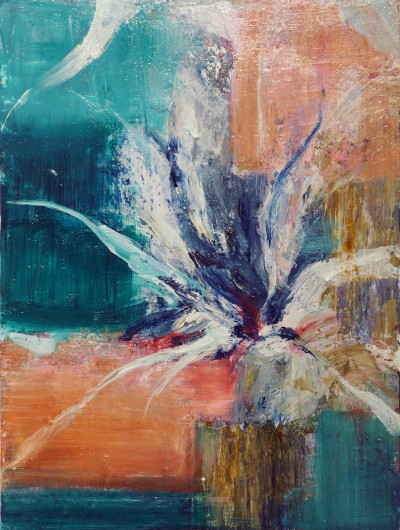
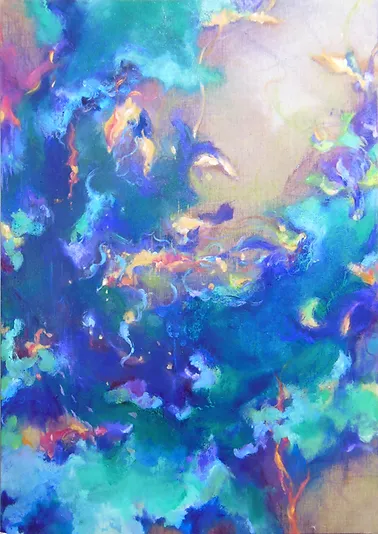
 「BARCAROLLE op60」
作:本庄未紀
「BARCAROLLE op60」
作:本庄未紀
これからアートを目指す人、アートを始めたばかりの人へメッセージ
現在某カルチャースクールでアート・エクササイズ®︎という講座を開いています。幼児から高齢者まで年代別に複数のクラスを持ち、制作のサポートをしています。
技術や表現ということを難しく考えずに目の前の道具で遊ぶ子どもたちからは、こちらも大いに刺激を受けています。成人クラスには、絵を描くのは初めてという方々が勇気を出して参加されています。私自身も様々な葛藤を経てようやく絵を描くことを自分に許しているようなところがあるので、できることはなんでも応援したいです。
身近な日常の中から静かにインスピレーションを紡ぎ、音楽や言葉、景色を独自の視覚言語へと昇華させてきた。その作品は、観る人それぞれの記憶や体験を呼び起こす扉となる。
制作と鑑賞者との対話を大切にしながら、日本人としての視点を手放さず、自らのパターンを育て続ける姿勢。そして次世代へ創作の喜びを伝える活動。本庄未紀氏のこれからの表現の深まりと、さらなる活躍に期待が高まる。
EXHIBITIONS 展覧会情報
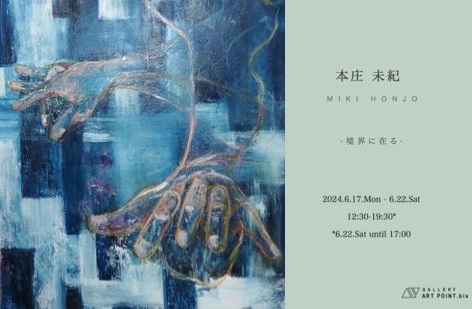
2024.06.17 - 2024.06.22
本庄未紀展 -境界に在る-
タイトル「境界に在る」の後には「音」「花」「夜」など作品それぞれのタイトルが続く。
この数年、内外社会に起こった出来事は制作にも大きな影響を与えた。信じ難い眼前の事象より実体のないものや過去のもの、実在しないといわれるものへの関心がこれまで以上に高まった。そんな中で出会った音楽や物語、思想などが今回の創作のきっかけとなっている。
ルーティン化しつつあった題材や構図、描法にも疑問を持った。多くの色と曖昧な輪郭で絵作りを続けていたが、明確にすることを避けていた線や色の分割が現れた。この変化が一時的なものなのか、この先長く展開していくものなのかはわからない。矛盾に溢れる世界同様、道筋が見えず境界に在る作家の「標」となる展示である。
●本庄未紀
【略歴】
個展
2012年 ギャラリーくさ笛/名古屋
2015年 GALLERY ART POINT
2019年 GALLERY ART POINT
主なグループ展
2014年 2人展/JONES FOODSTORE/ベルリン
2014/15年 アートイベント島根/ミュージアム竹下成果工場/島根
2016年 Berliner Liste/ベルリン
CHRISTMAS ART COMPETITION in YOKOHAMA/横浜
2016/18年 Abstraction展 /GALLERY ART POINT
2016/19年 Japan Festival/ベルリン
2017年 Perspectives それぞれの視展/GALLERY ART POINT
2018年 環境をアートの色で変えていく展/金沢21世紀美術館
日本の美術全国選抜作家展/上野の森美術館
Spectrum展/GALLERY ART POINT
2020年 Avenir展/GALLERY ART POINT
2022年 或る心象展/GALLERY ART POINT
2023年 Abstracrion展/Legato展/GALLERY ART POINT