InterviewFeatured Artist

Ink wash painting, ink painting, calligraphy
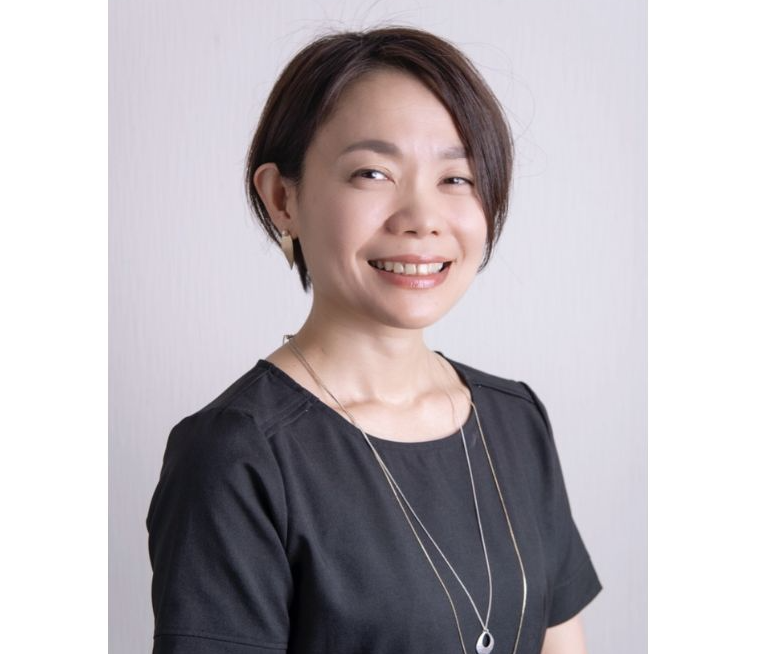
Shori Yamamoto
Shori Yamamoto started attending a calligraphy class when she was in first grade, invited by a friend. After working as an office lady and in graphic design, she returned to the world of calligraphy and even ran her own teaching class as a deputy instructor. We delve into her passion for sincerely facing the art of a one-shot line, and continuing to challenge new forms of art calligraphy while maintaining dignity.
Please tell us what inspired you to start calligraphy.

My first time was in first grade, when a friend invited me to a calligraphy class. While not all lessons are allowed, my mother immediately approved the calligraphy class. Perhaps it was because his maternal grandfather was a calligrapher. However, since my grandfather passed away early, I never had the opportunity to learn calligraphy directly from him. He was someone who taught at a university, so I still wish he had taught me. I quit the calligraphy class after I started participating in club activities in junior high, but in high school, I chose calligraphy as an elective class, so my relationship with calligraphy continued gradually even during my student days.

Writing helps me concentrate a lot. Calligraphy is often called the art of lines, but unlike painting, it cannot be erased or rewritten. Since it's a one-shot game, if you don't train regularly, you won't be able to put good things on paper when the time comes. I love the feeling of sharpening my mind in front of the text in front of me.


Please tell us about the process that led you to becoming a calligrapher professionally.

I once got a regular job and have experience working as an office lady. But since I have always loved calligraphy, I wanted to relearn calligraphy once more when I had more financial leeway, so I became a disciple of my current master. Since I became a deputy instructor aiming higher than I thought, 'If I were to do it,' I was put in a position to provide instruction. I started as a hired instructor under my mentor, but through a wonderful encounter, I was able to rent a place to an acquaintance. I realized opportunities like this are rare and decided to open my own classroom.

Please tell us about the classroom concept and art calligraphy.

At first, it was a typical class where beginners could take steps or grades, but after I started renting the space myself and managing it with more discretion, I decided to increase the number of classes to create classes I could enjoy the most. That's where I started the art calligraphy class.

Originally, there was a period in my career when I worked in graphic design for about 4~5 years. I think the sense of using colors and laying out elements developed during that time led to art calligraphy.  
Art calligraphy can sometimes be more popular with the general public. The number of calligraphers is steadily decreasing, so I think it's important to broaden the frontage first.

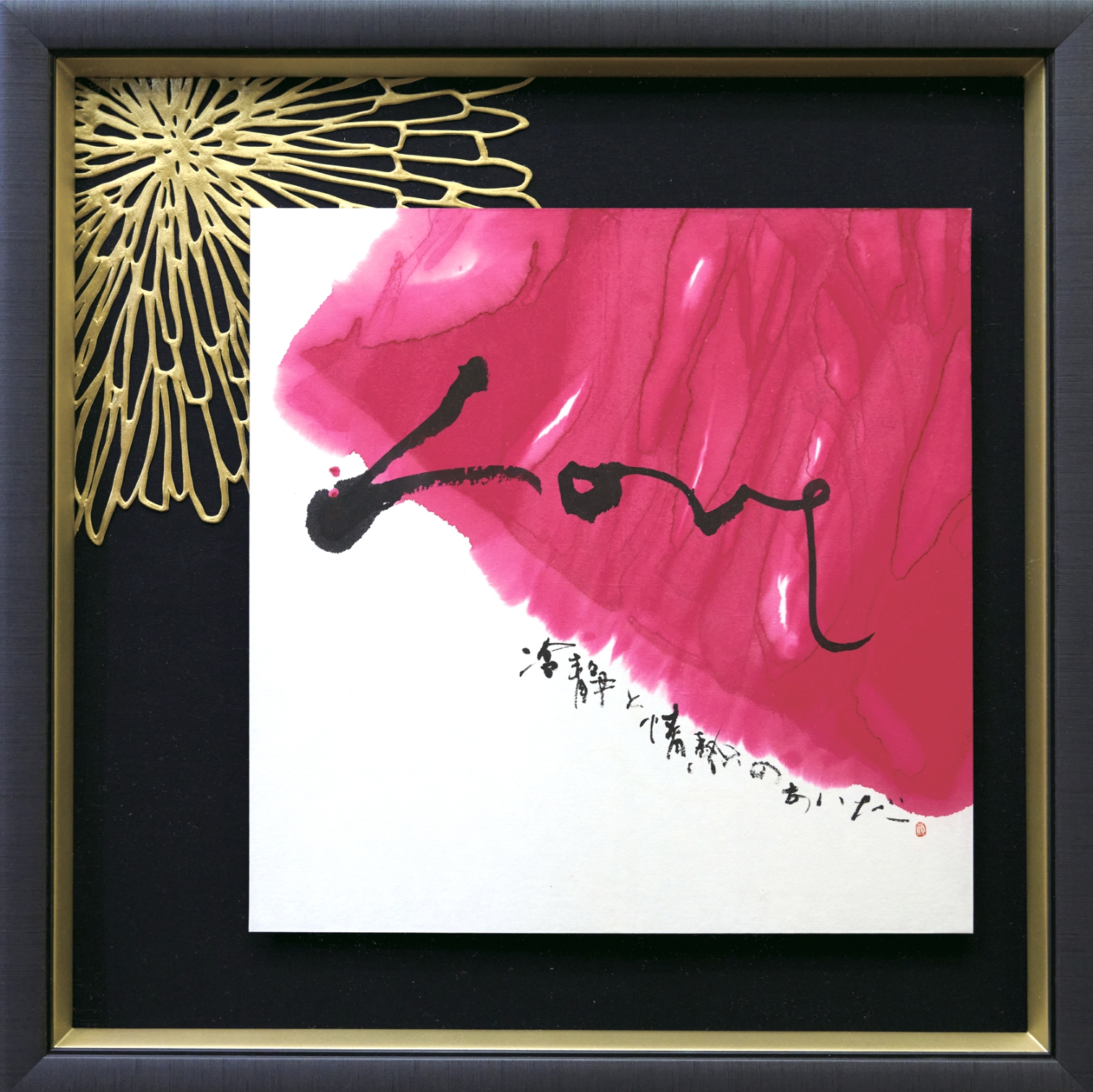
"Love – Between Calmness and Passion" Author: Shori Yamamoto
What do you value most in creating your work?

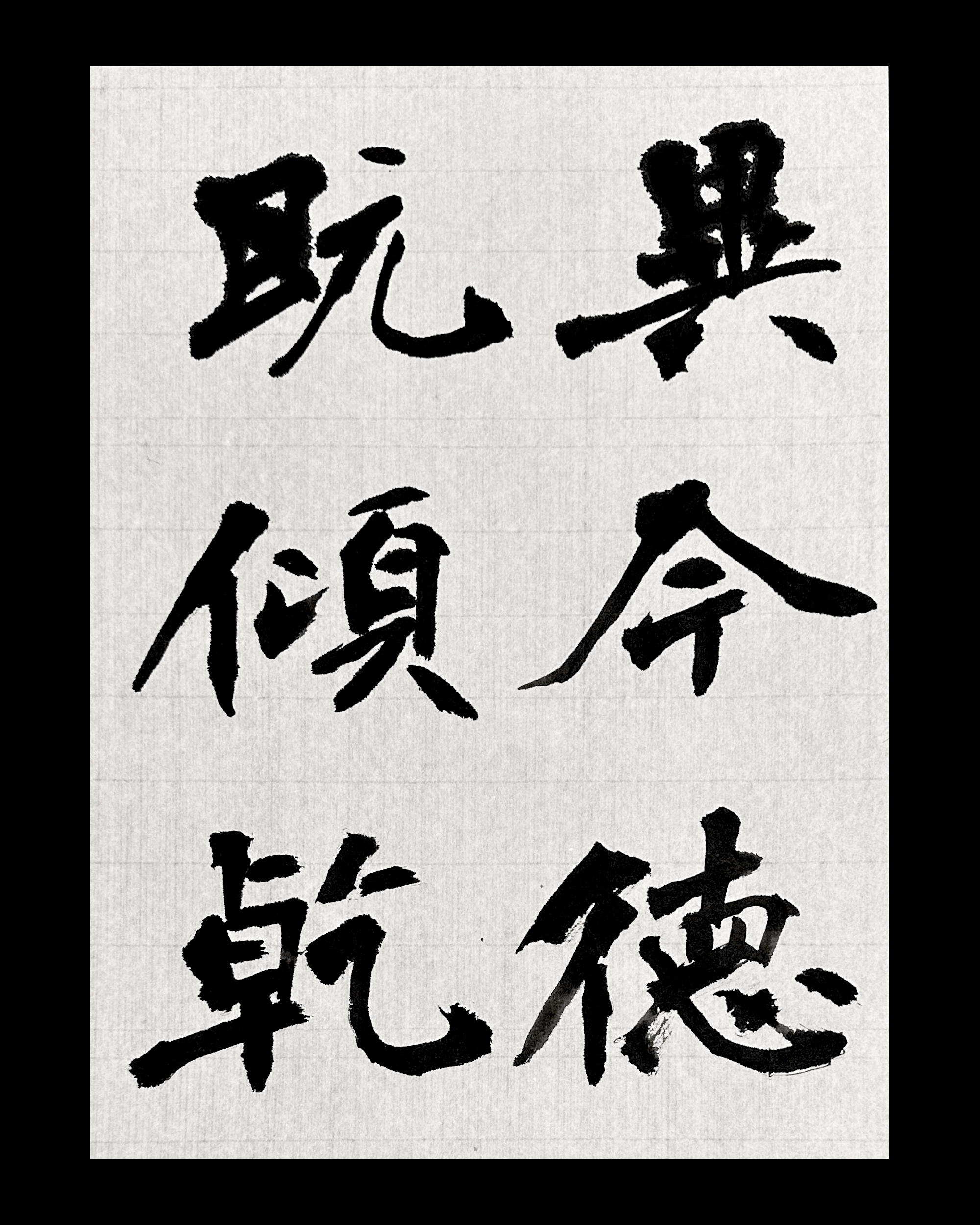
This also applies to the idea of teaching art calligraphy in the classroom: maintaining dignity. Calligraphy has a classic that has been inherited from China as an absolute presence. Personally, I enjoy studying and recreating the classics. But at the same time, since we live in the present day, we are also searching for bridges between the present and the past.

There are aspects of classical art that you only truly understand after many years of practice, and even in art calligraphy, beginners tend to overdo it in ways not found in classical texts. Relying too much on modern things can erode dignity. There is no right answer to this balance, and I am still searching for it myself, but maintaining dignity and dignity is what I keep in mind the most.

How do you decide which characters to use and how to write them?

First, the subject characters are often taken from Chinese poetry, Zen words, or the Analects. Since words have meaning, you inevitably choose them carefully. I believe that the background of your life and what comes from within can be put into words and conveyed to those who see it. I think it takes quite a long time before I actually start writing.  

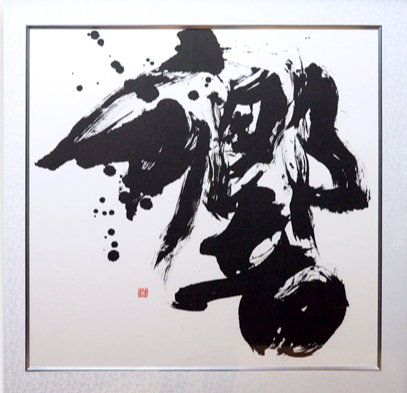
When it comes to writing, I value at least the atmosphere and the images associated with the words. For example, writing words with a strong image in thin lines lacks persuasiveness. However, there are various aspects within the strength itself, so from there, I further refined the quality of the lines and the tools. As I mentioned earlier, while respecting tradition, we sometimes use tools born in modern times to ensure development never fades.
Some calligraphers change the shape of characters so much they can't read them, but I make sure not to lose sight of the premise that they can be read as letters.

Actually, I don't really like looking at past works. That was my past self, not my current self, so my feelings were already focused on the next project. When I exhibit at exhibitions, I try to present as many newly written works as possible. For me, calligraphy might be something very fleeting.

What are your future prospects as a calligrapher?

When it comes to creating works, I want to value challenging myself rather than just leaving them behind. To do that, I believe it's necessary to study and keep adopting new things. I still feel that the more I practice calligraphy, the more I realize what I need to do. By observing the works of those around me and being influenced by beautiful things beyond calligraphy, I want to elevate those into my own creations.

While saying that the more she does, the more she realizes her shortcomings, she also looks forward, saying she wants to value challenging rather than leaving things behind. While exploring bridges between classical and modern works, anticipation grows for what kind of works he will create in the future.

Interview: 2024/09/06