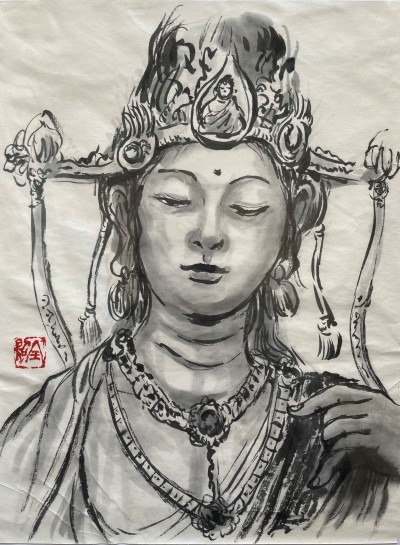
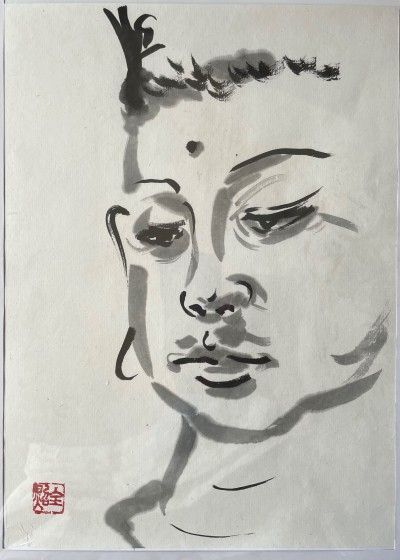
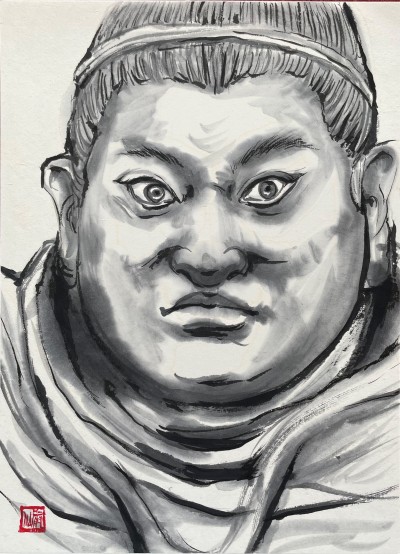
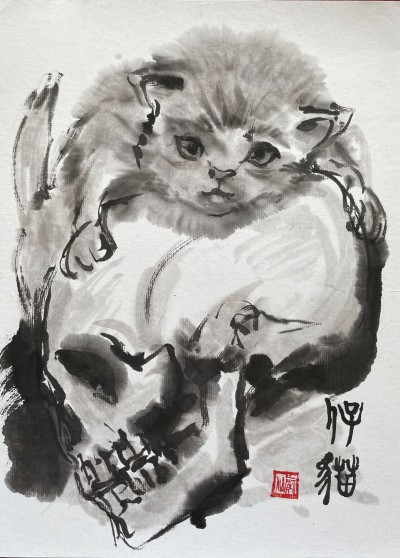
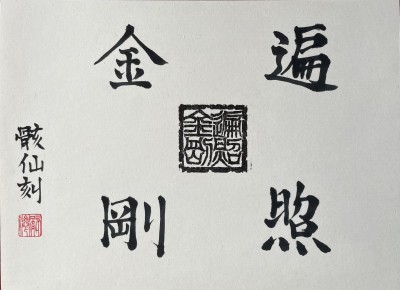
Statement

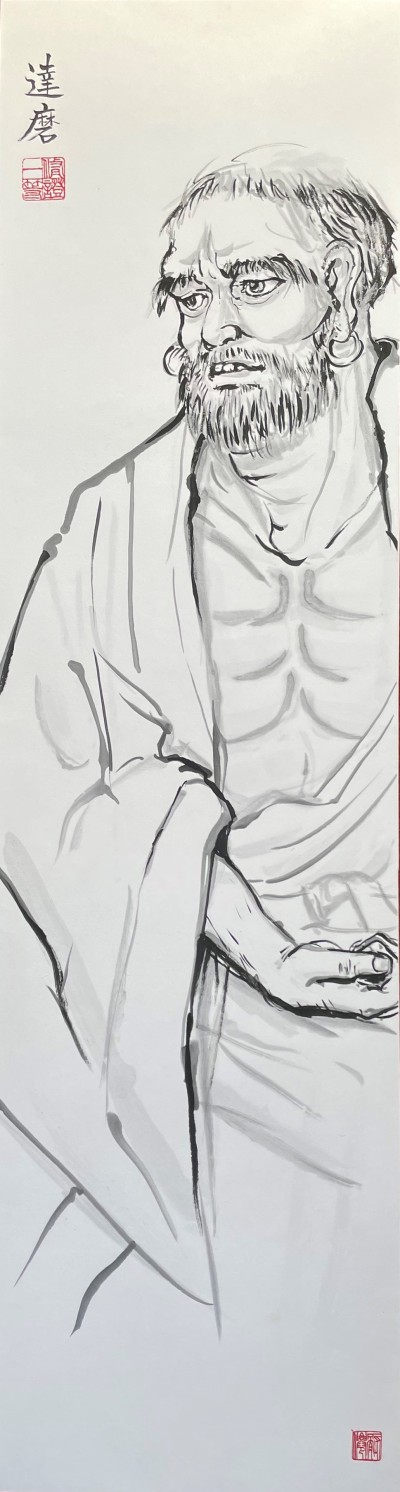
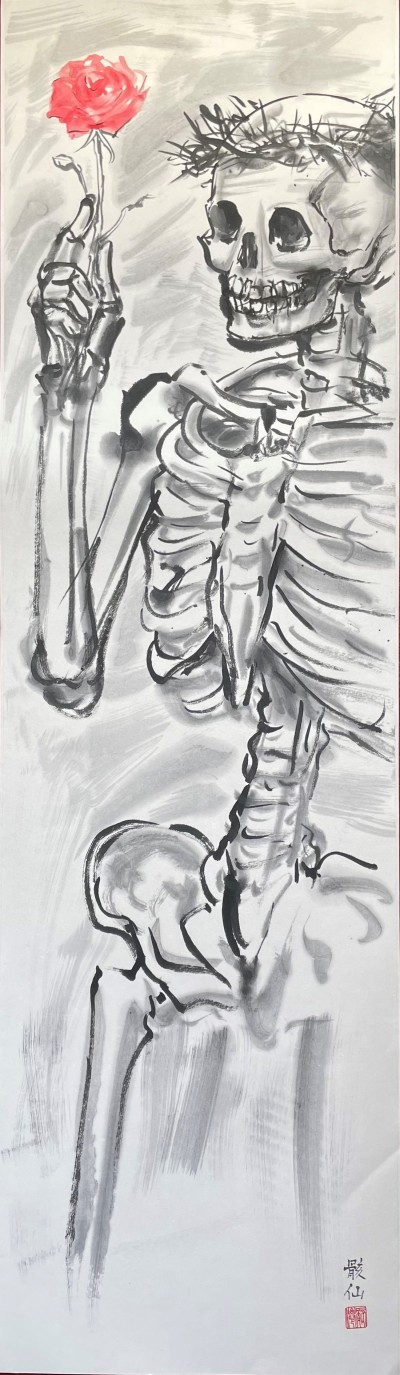
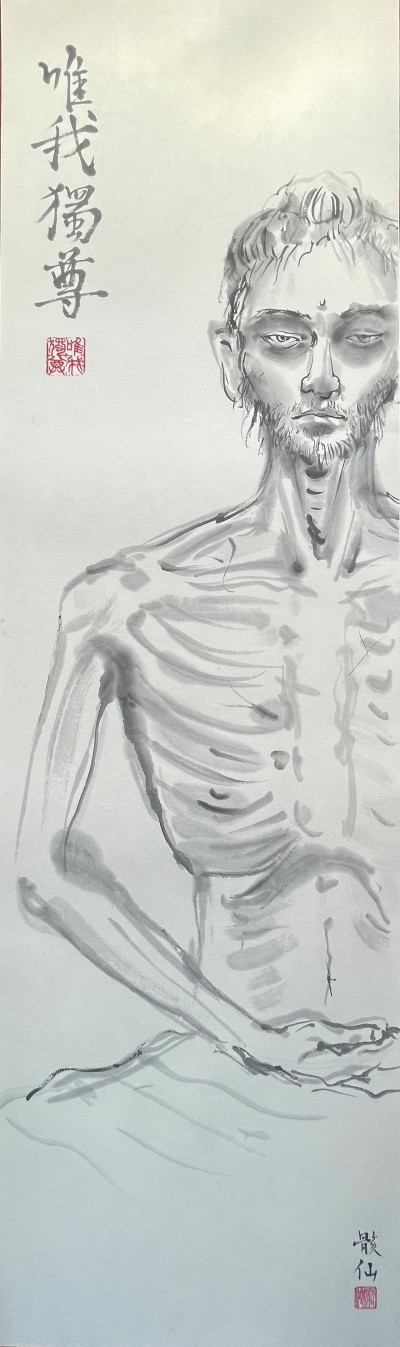
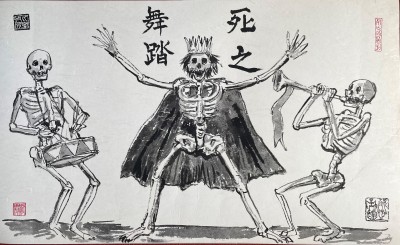
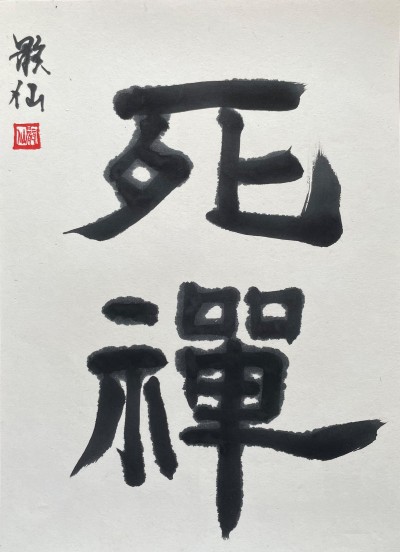
If you write "death Zen", it looks ominous. However, although it is little known in Japan, in primitive Buddhism, the Buddha and his disciples meditated and practiced in graves strewn with corpses. It is to realize impermanence. Even today, in Theravada Buddhism, monks practice meditation in police morgues, which may seem strange to Japan people.
 
First of all, in India, Buddhism was divided into Theravada and Mahayana, and in China, the latter was influenced by Confucianism and Taoism. It was this Mahayana Buddhism that came to Japan, but in Japan, it seems that Zen (meditation) is preferred by Japan because it has been practiced with Shinto.
However, meditation in primitive Buddhism may have been a terrible thing that considered the supreme thing to completely erase oneself from this universe, including nature (= not to live), rather than meditation (Zen) to love and unite with nature. It seems that it was meditation (Zen) to break attachment (love/attachment) to all of this universe, including nature. Therefore, it is not nature, but a dead Zen.
 
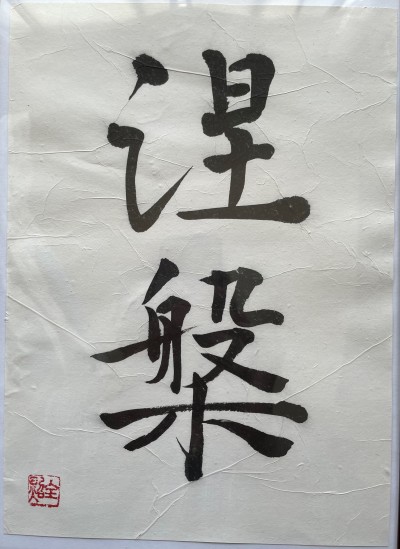
And Socrates said that philosophy is the training of death, and the body is the prison of the soul. He thought that death was the liberation of the soul from that prison. Aichi is the training of death (liberation of the soul), and Zen is the training of nirvana (Nirvana). In that sense, it is "death Zen". It is a journey to the highest beauty.
 
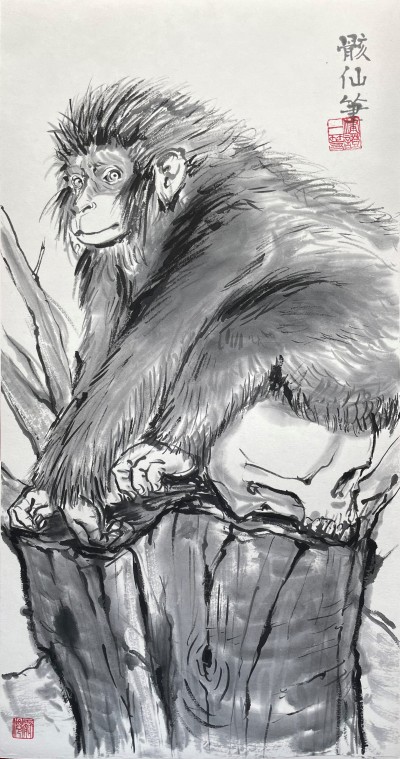
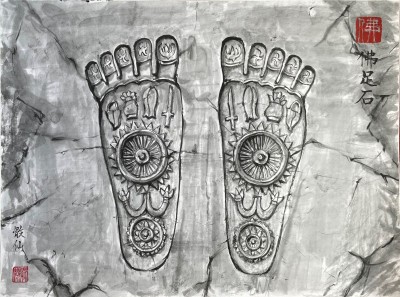
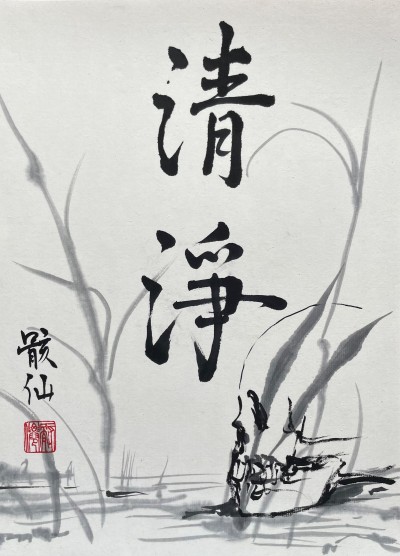
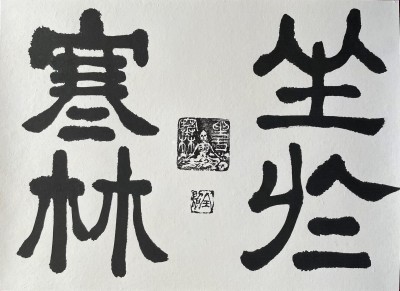
The work also includes Mahayana Buddhist objects, but they are basically conscious of this primitive Buddhism.


・ Messages and feedback for the artist here

Artist

Show more