
デザイナー/イラストレーターとして従事する傍ら、アーティストとしても主に日本特有の文化・風習・世俗にスポットを当てたイラスト作品を手掛ける。実在する浮世絵を現代の感性で再構築し描いたコレクションを筆頭に、海外NFTアート オークションのほかミラノやバルセロナなどの国際アート展へ出展し、日本文化への貢献と海外に向けた認知拡大を目指す。
【海外】
■HMVC gallery NewYork "Hello Tomorrow"(ニューヨーク)
■M.A.D.S Art Gallery "ADORENOCROMO"(ミラノ)
■"Braincake" La Pedrera 国際アート展覧会 (バルセロナ) 選出
■JNW主催 日本・タイ合同NFT展 メタバース展示
■Art Magazine 365ART+ case23 (アメリカ/ロシア/日本)
Art Magazine 365ART+business case66 (アメリカ/ロシア/日本)
作品と記事 掲載
【国内】
■ARTMAN バーチャルギャラリー「平和と戦争 展」
同ギャラリー「解放区 展」
■西奉還商店街メタバース化計画(岡山) AR展
■隠田ギャラリー(表参道) 「NFT PEEPSPARTY 展」
■京王電鉄協賛 想いやり展(下北沢)
■京セラ美術館 LIBRE2023展(京都)
■東京スカイツリー クリエイティブ文化展
■TOWASU ART MUSEUM "Japan展"(渋谷)
■高橋是清翁記念公園 "夜の公園美術館"展(赤坂)

WORKS 作品
INTERVIEWインタビュー
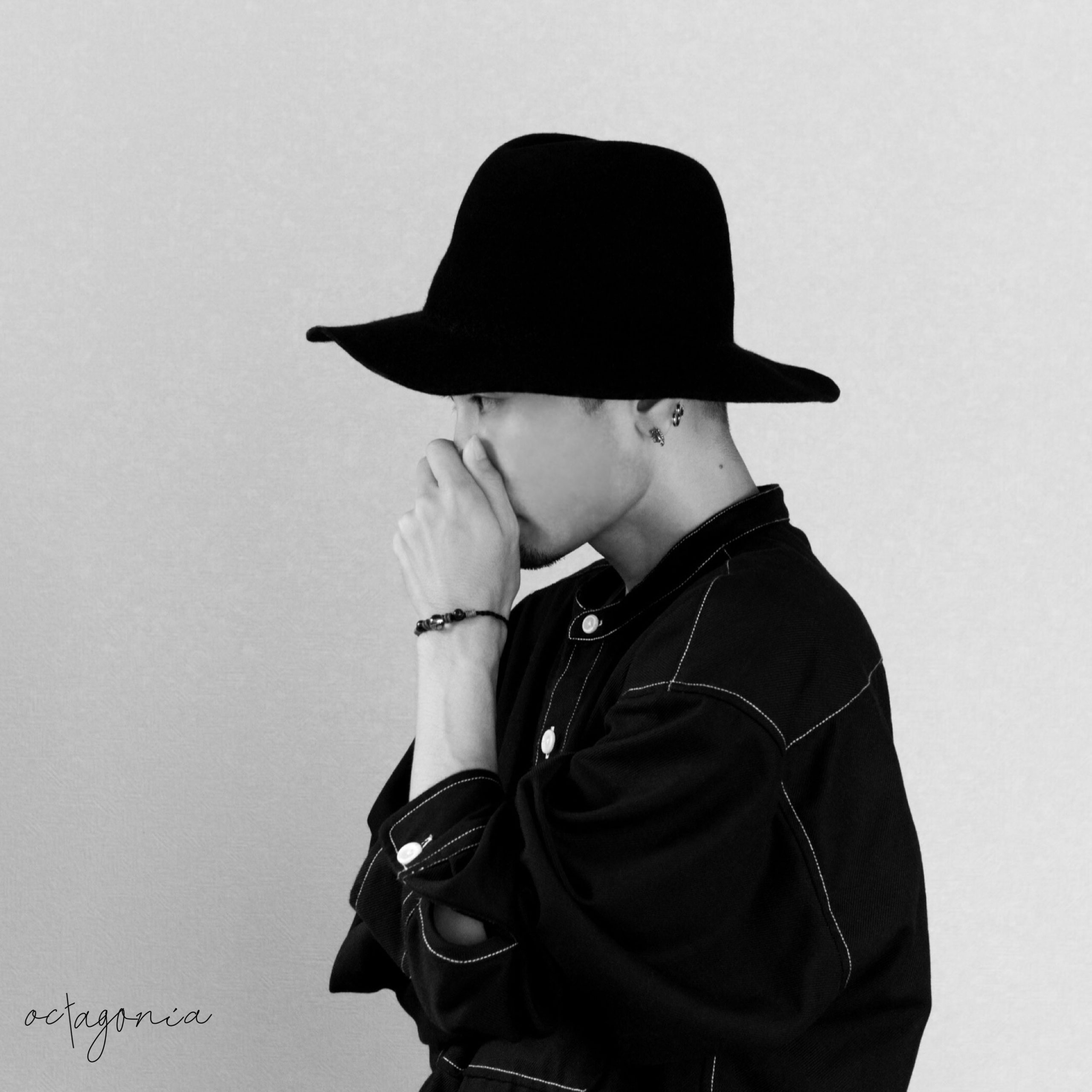
octagonia
アーティスト活動を始めた経緯を教えてください。
絵というよりも最初はデザインそのものへの興味が、幼少期からありました。実は、芸大も美大も出ておらず学校で美術部に所属すらしていなくて…中学は運動部、高校は吹奏楽部に所属していました。ただ、子どもの頃から、看板や広告を見るのが好きだったんです。街中で見つけたデザインをそのまま描き写したりしていました。絵以上に“デザインを描く”ことが好きだった感覚ですね。
約15年間アパレル業界に従事していて、インポートブランドでのスタイリスト業務をはじめ、店舗レイアウトや販促デザインなどに携わっていました。大きな病気を患い治療のために退職したのですが、大好きだったファッションの仕事を失って自分に残ったのが”絵”だったんです。その後、闘病とリハビリを経てイラストレーター・デザイナーとして独立し、本格的に活動をスタートしました。デザインに関しては前職での経験があったものの絵については専門的な学校に通ったわけでもなく、独学といえば独学で、ひたすら書籍を読んだり、学生時代の美術の先生のもとを訪ねたり、ネットやSNSで調べたり…。インプットしたものをとにかく実践し、その積み重ねで技術を体得していきました。
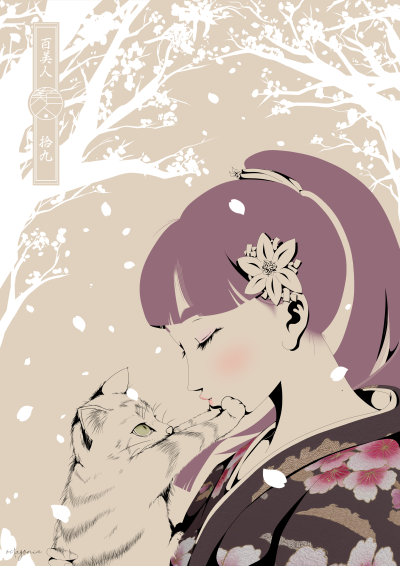
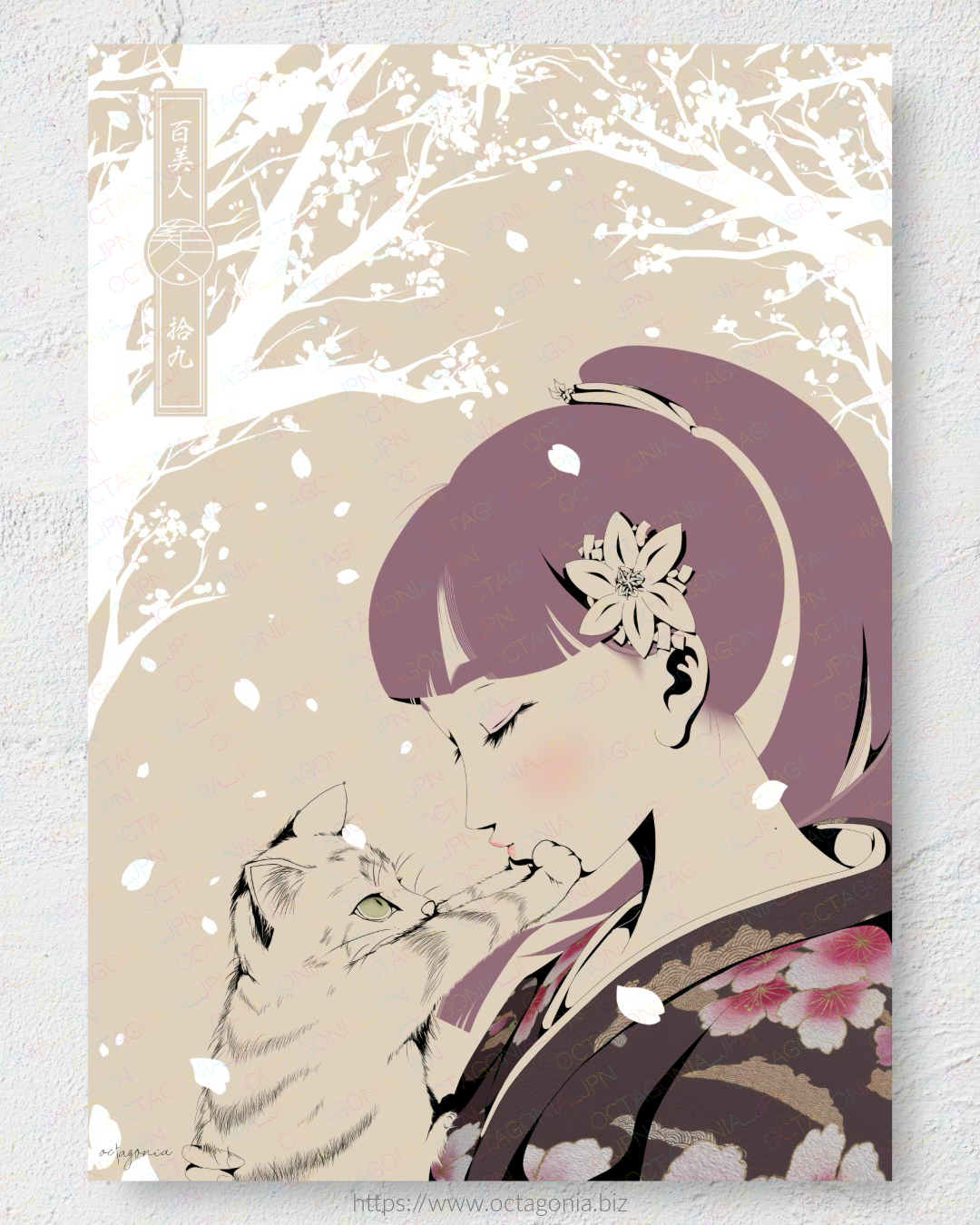 modern styled Ukiyo-e collection "100 beauties"
No.19 三月尽
modern styled Ukiyo-e collection "100 beauties"
No.19 三月尽
自身の特徴でもあるデジタルアートの道に進んだきっかけを教えてください。
デジタルアートを始める前は、アクリル画やペン画をメインに描いていたんですが、クライアントワークだけでなく自分自身の作品を残したいという想いからSNSを使って作品を残していくプロセスを考えた時に、デジタルの方が相性が良いと感じていました。まずイラストレーターとして独立したので、どちらにしてもデジタルで描くスキルは必要不可欠でしたから、必要に応じて習得し、仕事に合わせていった部分はあります。
もちろんデジタル特有の難しさはありますが、デジタルならではの美しさや表現方法も多いです。
あとはデジタルなのにアナログっぽくやってみるという面白さもあります。彩色に関しては、今はデジタル100%でやっているので、最初にアクリル画で描いてからデジタルでということはしなくなりましたが、線の部分はやはりアナログ始まりの時が今でもあります。ラフ画を起こす際に、実際の大きさに合わせてペンで描き、頭の中で固めてからデジタルに移した方が全体の作業スピードが早まる時もあって。初めからデジタルで描くと煮詰まってしまうところを、紙であれば手が勝手に動いてくれるというか構図が頭に入りやすいこともありますからね。
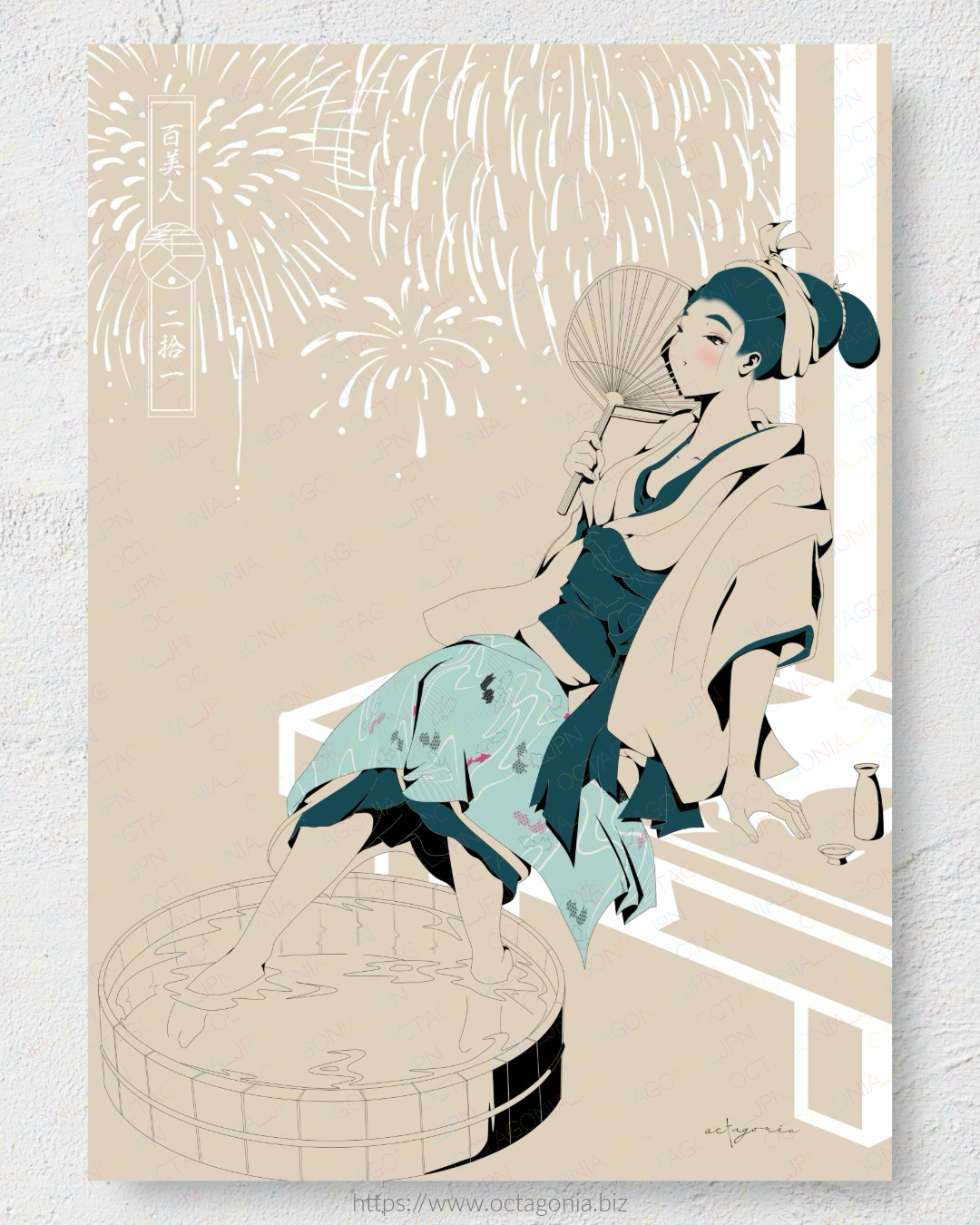 modern styled Ukiyo-e collection "100 beauties"
No.21 花火
modern styled Ukiyo-e collection "100 beauties"
No.21 花火
海外での活動にも精力的に取り組んでおられますね。
むしろ最初から海外ありきでした。日本人は謙虚だから、なかなか自分から「日本すごいだろ」って言えないですよね。でも海外の人から「日本ってすごい」って言われると、誇らしくなったりする。だからまず海外の人に熱狂してもらって、その熱量を日本へ”逆輸入”したかった。実際にNFTアートをきっかけに海外から声がかかり、ミラノやバルセロナでの展示へと発展していきました。当時、日本にはNFTアートの土壌がほとんどなかったので、海外のプラットフォームに出していましたが、そこで面白いことをやっている日本人がいると見つけてもらったんです。
海外でいただく反応から、海外の皆さんが、日本人以上に日本文化を深く理解している様子にいつも驚かされます。着物の襟の抜き方や袖の描写など、日本人でも知らないレベルで細かく見てくれる方がいるんです。「そこをちゃんと描いてくれて嬉しい」というようなコメントをもらうこともありますね。
もともと音楽活動もしていて、尺八とDJの生演奏パフォーマンスをやっているんですが、その時にも圧倒的に海外からの反応が大きかったんです。だから、日本文化はまず海外に届けた方が大きく広がる可能性があるという感覚は、ずっと肌で感じていました。
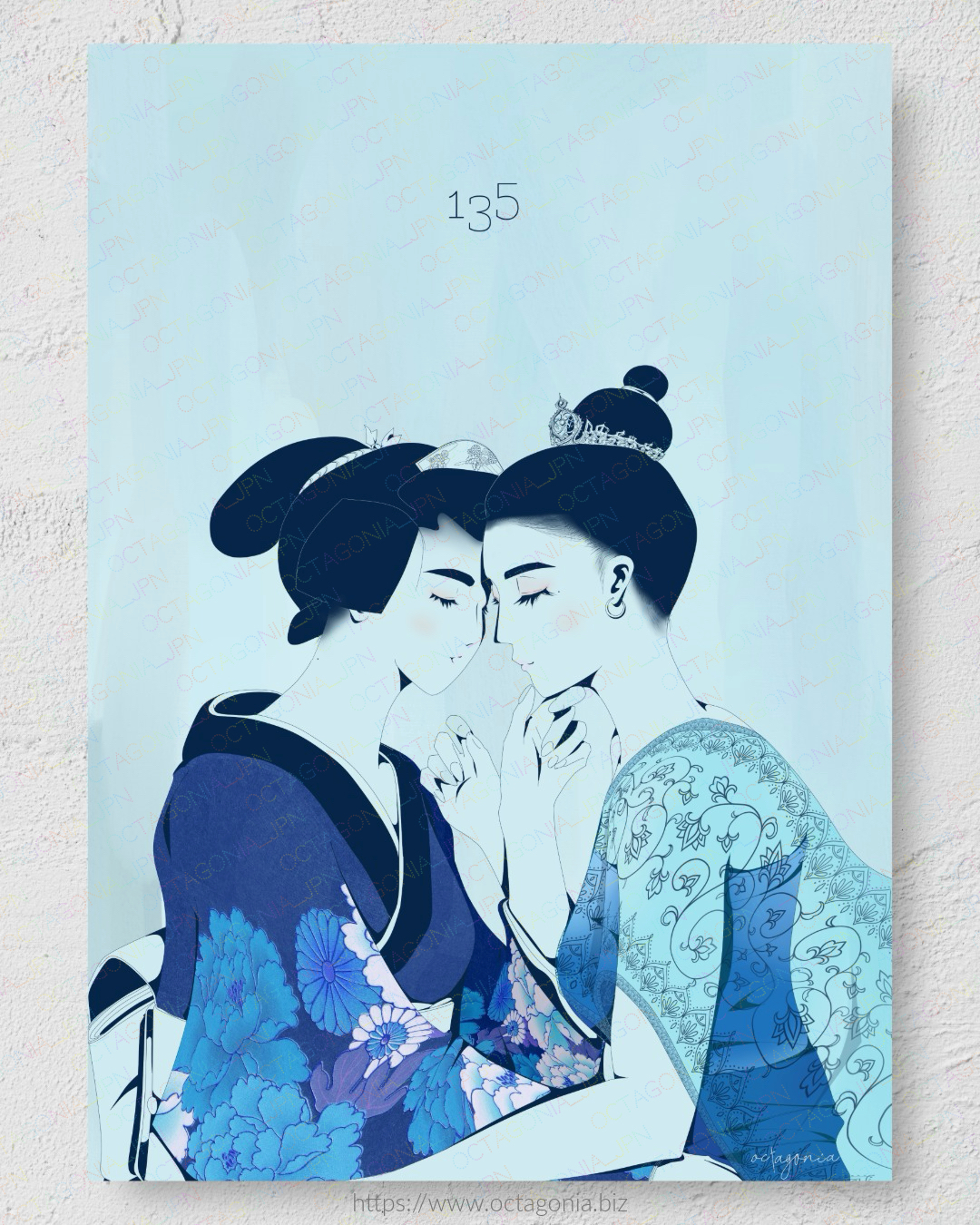 日本・タイ国交樹立135周年 記念作品
『あうん』
日本・タイ国交樹立135周年 記念作品
『あうん』
今後の抱負について教えてください。
現在、注力しているのは、デジタル作品を“実物作品”として昇華させる取り組みです。近年では、和紙に作品を印刷し、掛け軸や立体作品として展開しています。デジタル空間だけで完結しがちなデジタルアートを、現実世界にも存在させたいと思っていて…。というのも、和紙職人や表装職人は世界に誇れるような技術を持っていながら、後継者不足でどんどん工房がなくなっている現実があります。活動を通じて、そういう話をたくさん聞いてきました。特に、和紙へデジタル作品を刷る工程には、日本独自の高度な技術が詰まっています。極めて薄い和紙へ精細にプリントしていく、その技術が本当に素晴らしいんです。だからこそ、私の作品を通して職人の皆さんにも光が当たればと考えています。工房さんはなかなか発信にまで手が回らないので、私の作品が入口になって、和紙ってすごい! この技術って面白い!と世間に興味を持ってもらえたら良いなと思っています。
そして同時に見据えているのは、逆輸入による日本文化の醸成。海外の人が日本文化に熱狂して、その熱量が日本に返ってきて、浮世絵の面白さや職人のすごさに改めて日本人が気づく。そういう循環を創りたいと思います!
デジタルアートという現代的な表現を用いながら、その先には浮世絵や和紙、職人技術といった日本独自の文化を未来へ残したいという想いがある。作品そのものだけでなく、その背景にある文化や技術まで含めて届けようとする姿勢こそ、octagonia氏の表現の本質なのかもしれない。日本文化の灯をともし続ける活躍に期待したい。